Autonomous Drones Are Lowering the WMD Barrier
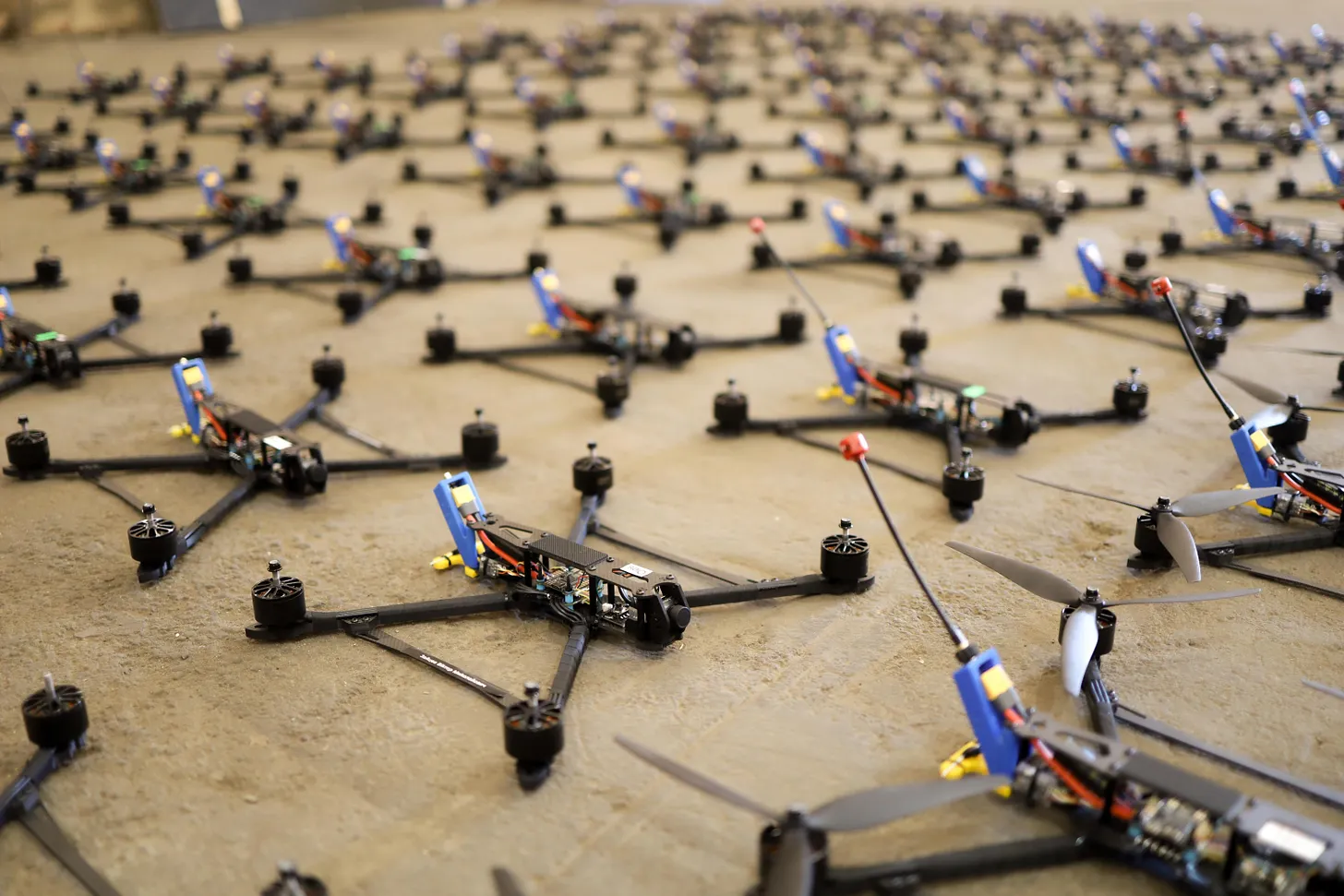
💡See why existing navigation and perception capabilities could make autonomous drones a major security risk.
⚡ 30-Second TL;DR
What Changed
Low-cost explosive drones are already challenging conventional military platforms and expensive countermeasures.
Why It Matters
For AI practitioners, the article highlights that advances in perception, navigation, and edge autonomy can have serious dual-use consequences. Robotics teams may need stronger safeguards, deployment controls, and threat modeling as autonomous capabilities become cheaper and more accessible.
What To Do Next
Audit your robotics system’s human-override, GPS-loss, radio-loss, and target-recognition safeguards before testing higher levels of autonomy.
Key Points
- •Low-cost explosive drones are already challenging conventional military platforms and expensive countermeasures.
- •Human control, GPS dependence, radio links, limited range, and exposure currently constrain drone effectiveness.
- •Counter-drone defenses are accelerating development toward more autonomous navigation and targeting systems.
- •The article warns that small autonomous drones could eventually threaten civilians or enable targeted mass attacks.
Weekly AI Recap
Read this week's curated digest of top AI events →
👉Related Updates
AI-curated news aggregator. All content rights belong to original publishers.
Original source: LessWrong AI ↗
This is a summary, not the original. Read the source, or get the weekly briefing.
Weekly AI briefing
One email a week. Unsubscribe anytime.