Autohome Struggles Amid Content Regulation and Layoffs
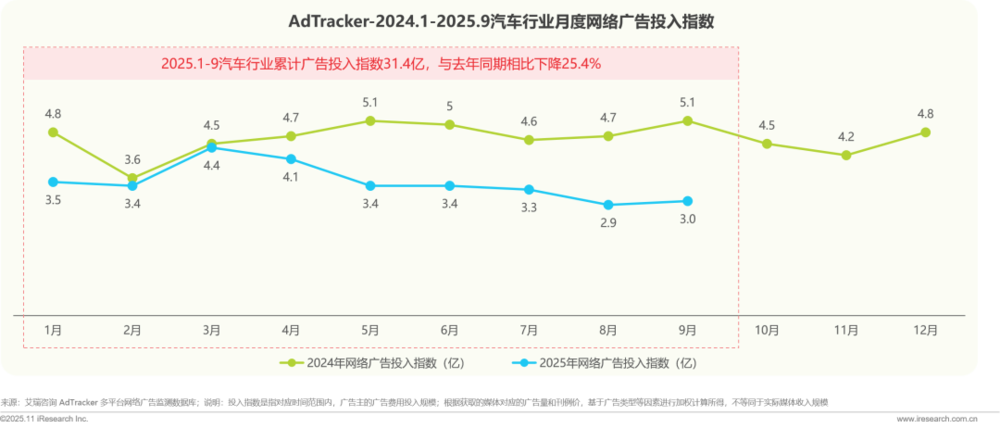
💡A cautionary tale on how regulatory changes and platform shifts can dismantle a dominant content-based business model.
⚡ 30-Second TL;DR
What Changed
Content department reduced from 2,000 to 300 employees as the platform pivots away from traditional media services.
Why It Matters
The decline of Autohome signals the end of the 'information intermediary' era for vertical automotive media, forcing a shift toward heavy-asset transaction models.
What To Do Next
If building a vertical content platform, prioritize regulatory compliance regarding data and testing standards to avoid sudden operational shutdowns.
Key Points
- •Content department reduced from 2,000 to 300 employees as the platform pivots away from traditional media services.
- •Regulatory requirements now mandate professional testing qualifications for automotive reviews, effectively ending the platform's 'independent' testing model.
- •The company is attempting a pivot toward a 'content + transaction + service' model, focusing on e-commerce and offline used car retail.
🧠 Deep Insight
AI-generated analysis for this event — not the original article.
🔑 Enhanced Key Takeaways
- •The regulatory shift is part of a broader Chinese government initiative to standardize automotive media, requiring entities to hold specific 'Internet News Information Service' licenses to publish professional vehicle evaluations.
- •Autohome's pivot is heavily influenced by the rise of Douyin and Kuaishou, which have captured over 60% of automotive advertising budgets in China, forcing traditional vertical portals to seek alternative revenue streams.
- •The layoffs have triggered significant internal restructuring, with the company consolidating its remaining content staff into a centralized 'AI-Generated Content' (AIGC) unit to reduce operational costs.
- •Financial reports indicate that Autohome's core advertising revenue has seen a year-over-year decline for several consecutive quarters, accelerating the urgency of the transition to the 'transaction + service' model.
- •The company is increasingly relying on its parent company, Ping An Insurance, to integrate financial services and insurance products directly into the automotive transaction journey to improve monetization per user.
📊 Competitor Analysis▸ Show
| Feature | Autohome | Dongchedi | Bitauto |
|---|---|---|---|
| Primary Traffic Source | Web Portal / App | Short Video (Douyin) | Web Portal / App |
| Content Strategy | Transitioning to AIGC | User-Generated/Short Video | Traditional Media/Dealer Leads |
| Revenue Model | Transaction/Service Pivot | Advertising/Lead Gen | Lead Gen/Dealer SaaS |
| Regulatory Compliance | High (Restructured) | High (Native Integration) | Moderate |
🔮 Future ImplicationsAI analysis grounded in cited sources
⏳ Timeline
Weekly AI Recap
Read this week's curated digest of top AI events →
👉Related Updates

AI-curated news aggregator. All content rights belong to original publishers.
Original source: 虎嗅 ↗
This is a summary, not the original. Read the source, or get the weekly briefing.
Weekly AI briefing
One email a week. Unsubscribe anytime.