Asia’s Data Centre Boom Needs Smarter Planning
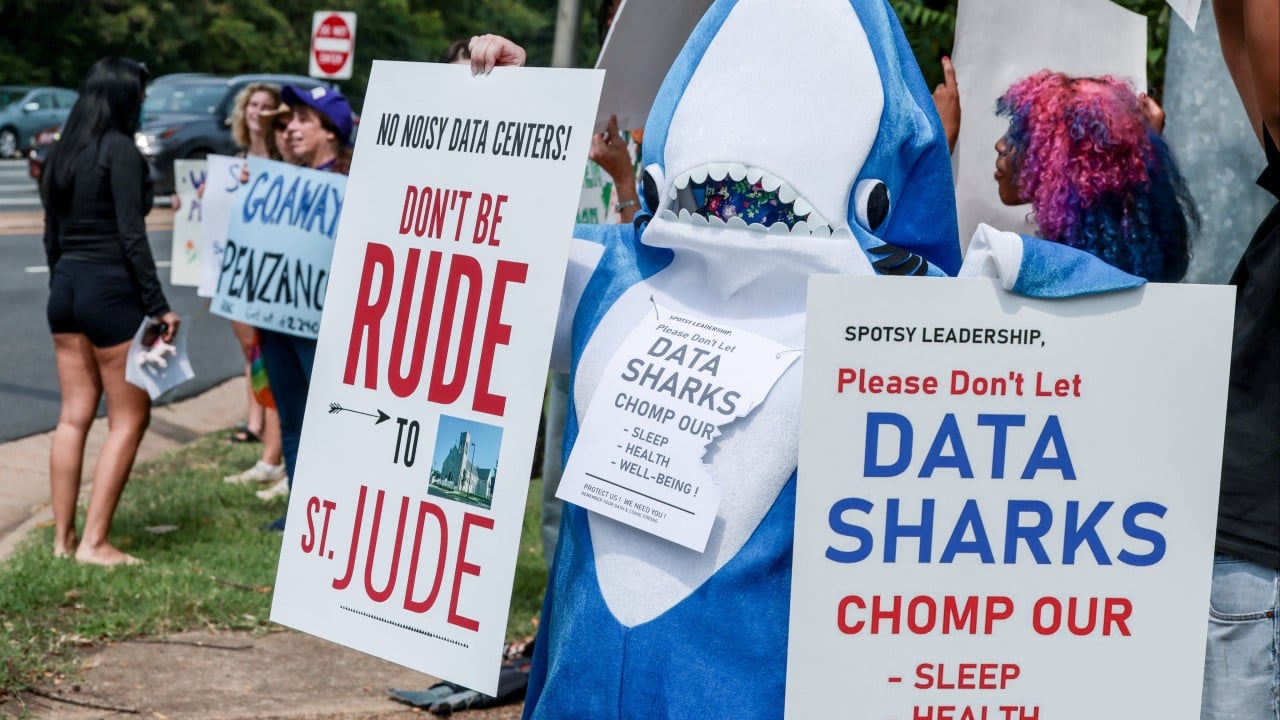
Data-centre opposition could reshape where AI teams secure power and inference capacity.
30-Second TL;DR
What Changed
The United States hosts about 37% of the world’s roughly 10,800 data centres.
Why It Matters
AI developers and infrastructure planners should expect data-centre growth to face increasing scrutiny over power, land use, water consumption and community impact. Poorly planned capacity expansion could delay compute availability and increase deployment costs across Asia.
What To Do Next
Before committing to a new GPU or inference deployment region, add power, water, permitting and community-risk checks to your infrastructure site-selection process.
Key Points
- •The United States hosts about 37% of the world’s roughly 10,800 data centres.
- •Data Centre Watch reports that 75 US data-centre projects valued at US$130 billion were blocked or delayed.
- •On July 18, 142 protests against data-centre development were reported across 42 US states.
- •Pew research found that 67% of American adults are anxious about data centres’ impact, with negativity rising alongside awareness.
Deep Insight
AI-generated analysis for this event — not the original article.
Enhanced Key Takeaways
- •Data centre power consumption in the US is projected to reach 9% of total electricity generation by 2030, up from 4% in 2023, driven largely by AI and cloud computing demands.
- •The 'Not In My Backyard' (NIMBY) movement against data centres is increasingly focused on water usage, as cooling systems for large-scale facilities can consume millions of gallons of water daily in drought-prone regions.
- •Major hyperscalers are increasingly turning to Small Modular Reactors (SMRs) and direct-to-grid power purchase agreements to bypass strained municipal electrical grids and mitigate local opposition.
- •Regulatory bodies in states like Virginia and Arizona have begun implementing stricter zoning laws and moratoriums on data centre construction to protect local residential property values and agricultural land.
- •The shift toward 'liquid cooling' technologies is being accelerated by the need to reduce the physical footprint and noise pollution of data centres, which are primary drivers of community complaints.
Technical Deep Dive
- Liquid Cooling Systems: Implementation of direct-to-chip and immersion cooling to handle high-density AI server racks (exceeding 50kW per rack) while reducing fan noise and energy overhead.
- Power Usage Effectiveness (PUE) Optimization: Industry-wide push to lower PUE from the current average of 1.5 to below 1.2 through AI-driven thermal management and waste heat recovery systems.
- Grid-Interactive Data Centres: Integration of battery energy storage systems (BESS) and onsite microgrids to allow facilities to provide frequency regulation services back to the utility grid during peak demand.
- Modular Construction: Utilization of prefabricated, factory-built data centre modules to reduce onsite construction time, noise, and environmental disruption.
Future ImplicationsAI analysis grounded in cited sources
Timeline
- 2023-05Virginia legislature passes stricter data centre siting requirements following community protests.
- 2024-02Major hyperscalers announce record-breaking investments in SMR technology to secure long-term power.
- 2025-09First major regional moratorium on new data centre construction enacted in a key US tech hub.
- 2026-03Global industry report highlights the 'infrastructure gap' between AI compute demand and grid capacity.
Weekly AI Recap
Read this week's curated digest of top AI events →
Related Updates
AI-curated news aggregator. All content rights belong to original publishers.
Original source: SCMP Technology ↗
This is a summary, not the original. Read the source, or get the weekly briefing.
The weekly digest
One email a week. Unsubscribe anytime.