Arctic sea ice melt triggers critical nutrient collapse
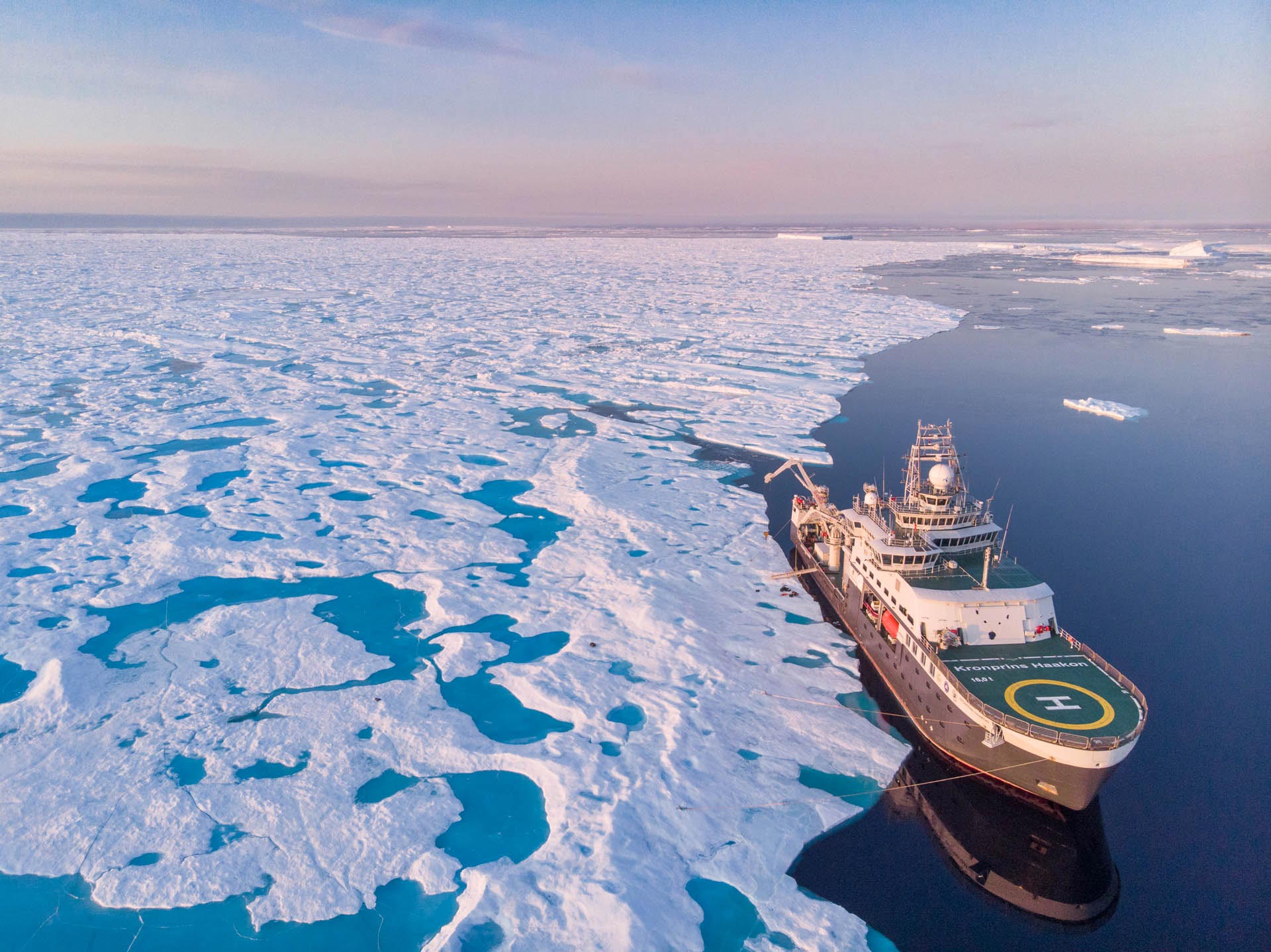
💡Understand how climate tipping points impact global environmental data models used in predictive AI.
⚡ 30-Second TL;DR
What Changed
Arctic sea ice loss has crossed a critical ecological tipping point
Why It Matters
The collapse of marine nutrient cycles may require new climate modeling parameters for environmental AI simulations.
What To Do Next
Incorporate climate tipping point datasets into your environmental monitoring AI models to improve predictive accuracy.
Key Points
- •Arctic sea ice loss has crossed a critical ecological tipping point
- •Chemical structure of the Arctic Ocean is undergoing permanent shifts
- •Marine food chain productivity is declining from plankton to mammals
🧠 Deep Insight
Background and context from public sources — not the original article. 14 sources cited.
🔑 Enhanced Key Takeaways
- •The critical nutrient experiencing collapse is nitrate, which is fundamental for the growth of microscopic plankton at the base of the Arctic food chain.
- •The mechanism driving this nutrient collapse is benthic denitrification, a process accelerated by increased sunlight reaching shallow continental shelves previously shielded by sea ice, converting nitrate into inert nitrogen gas.
- •The ecological tipping point was identified around 2009, when a consistent and sharp decline in nitrate concentrations began in Arctic waters flowing into the North Atlantic, correlating with an accelerated reduction in sea ice.
- •This shift is expected to lead to the Arctic Ocean primarily supporting smaller, less nutritious species of plankton, thereby reducing the overall food availability for higher trophic levels.
- •The decline in plankton productivity due to nitrate limitation also diminishes the Arctic Ocean's capacity to absorb atmospheric carbon dioxide, weakening a crucial natural carbon sequestration process.
🛠️ Technical Deep Dive
- Benthic Denitrification Mechanism: When sea ice retreats, shallow continental shelves are exposed to increased sunlight. This exposure triggers temporary algal blooms. As these algae die and sink, their organic matter depletes oxygen in the seafloor sediments. In these oxygen-poor conditions, marine microbes convert vital nitrate into inert nitrogen gas, effectively removing it from the marine ecosystem.
- Data Collection Location: The University of Edinburgh-led international team analyzed over two decades of oceanographic data (1998-2023) collected from the Fram Strait, a key marine gateway where Arctic waters exit into the North Atlantic.
- Nitrate Concentration Shift: Prior to 2009, average nitrate concentrations in the Polar Surface Water of the Fram Strait were approximately 3.1 micromoles, which subsequently dropped to an average of 1.7 micromoles, often approaching zero.
- Primary Nitrate Removal Zones: The shallow continental shelves, which constitute nearly half of the Arctic Ocean, are identified as the main areas for this nitrate removal, with specific mention of the Chukchi Sea and the East Siberian shelf.
- Ecosystem Regime Shift: The Arctic Ocean ecosystem has transitioned from being primarily limited by light availability (due to ice cover) to being increasingly limited by the availability of nitrate.
🔮 Future ImplicationsAI analysis grounded in cited sources
⏳ Timeline
📎 Sources (14)
Factual claims are grounded in the sources below. Forward-looking analysis is AI-generated interpretation.
Weekly AI Recap
Read this week's curated digest of top AI events →
👉Related Updates
AI-curated news aggregator. All content rights belong to original publishers.
Original source: cnBeta (Full RSS) ↗
This is a summary, not the original. Read the source, or get the weekly briefing.
The weekly digest
One email a week. Unsubscribe anytime.