Apple's 'Eight-Man Gang' Cements China Lock-in
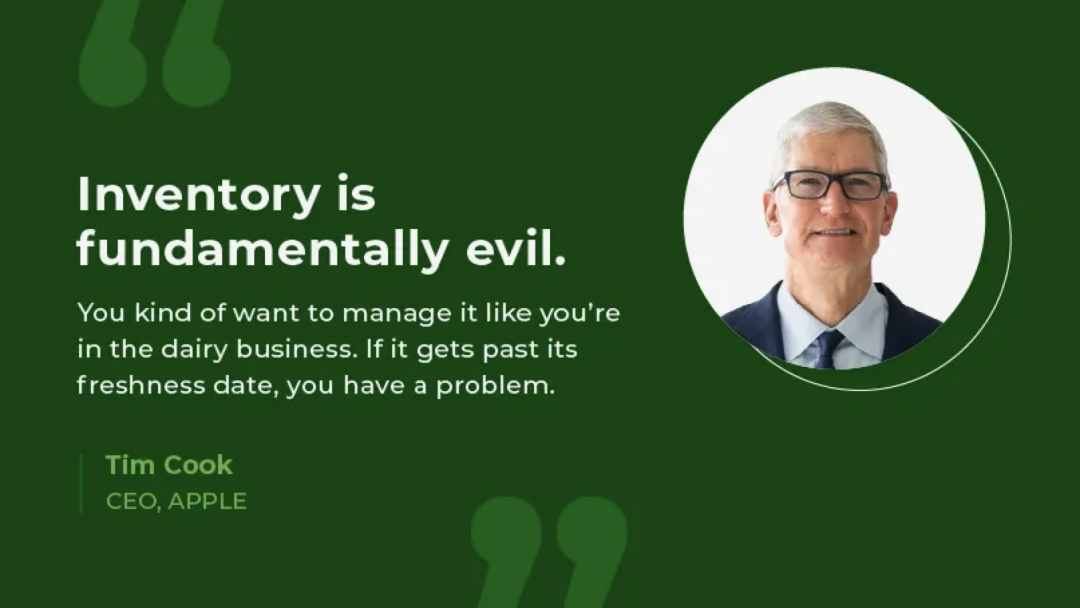
💡Apple's China strategy reveals supply chain traps for AI hardware builders.
⚡ 30-Second TL;DR
What Changed
2016 Cook's $275B secret deal for data centers, Didi investment, talent training.
Why It Matters
Deepens Apple's China reliance amid geopolitics; boosts local manufacturing prowess challenging global tech. Highlights risks/benefits of tech transfer in supply chains.
What To Do Next
Review Apple's supply chain playbook for diversifying AI hardware production partners.
Key Points
- •2016 Cook's $275B secret deal for data centers, Didi investment, talent training.
- •'Eight-man gang' includes China-fluent sociologist Doug Guthrie, VP Rory Sexton.
- •Apple engineers trained Luxshare on CNC, processes for AirPods/iPhone assembly.
- •Tech spillover elevates China suppliers, benefiting Huawei/Xiaomi hardware.
🧠 Deep Insight
AI-generated analysis for this event — not the original article.
🔑 Enhanced Key Takeaways
- •The 2016 agreement, often cited as a $275 billion commitment, was structured as a five-year memorandum of understanding aimed at placating Chinese regulators during a period of intense scrutiny over Apple's market dominance and tax practices.
- •The 'eight-man gang' strategy relied heavily on 'localized management,' where Apple executives were tasked with aligning the company's operational goals with China's 'Internet Plus' and 'Made in China 2025' industrial policies to avoid regulatory retaliation.
- •The unintended consequence of this deep integration was the 'hollowing out' of Apple's exclusive manufacturing advantage, as the rigorous training provided to suppliers like Luxshare and Goertek allowed these firms to achieve the technical maturity required to become primary suppliers for domestic Chinese smartphone brands.
🔮 Future ImplicationsAI analysis grounded in cited sources
⏳ Timeline
Weekly AI Recap
Read this week's curated digest of top AI events →
👉Related Updates



AI-curated news aggregator. All content rights belong to original publishers.
Original source: 虎嗅 ↗
This is a summary, not the original. Read the source, or get the weekly briefing.
The weekly digest
One email a week. Unsubscribe anytime.