Apple Upgrades iPad Mini & MacBook Pro to OLED
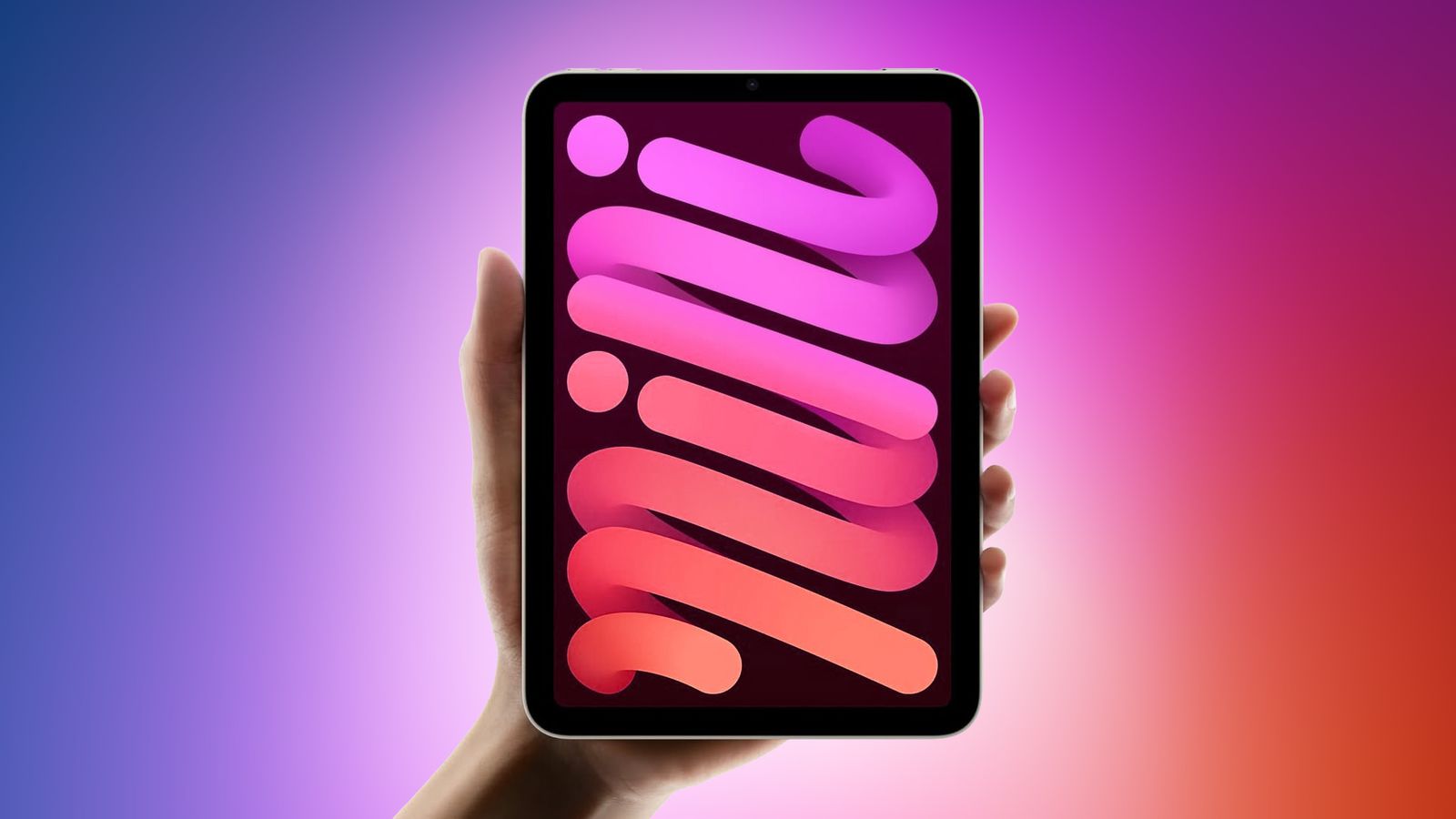
💡OLED boost on Apple devices improves AI model viz & creative workflows for devs.
⚡ 30-Second TL;DR
What Changed
OLED displays coming to 2024 iPad mini and MacBook Pro
Why It Matters
Enhances display tech for Apple's ecosystem, benefiting creative pros and potentially AI visualization on high-end devices like MacBook Pro.
What To Do Next
Benchmark OLED contrast on new MacBook Pro for AI image generation quality checks.
Key Points
- •OLED displays coming to 2024 iPad mini and MacBook Pro
- •Superior visuals: vibrant colors, high contrast, true blacks vs LCD
- •Samsung as OLED panel supplier per supply chain info
- •Reported by Korean media ETNews
🧠 Deep Insight
AI-generated analysis for this event — not the original article.
🔑 Enhanced Key Takeaways
- •The transition to OLED for the MacBook Pro line is part of a broader 'tandem OLED' strategy, which stacks two OLED layers to increase brightness and longevity, addressing common burn-in concerns in professional-grade laptops.
- •Samsung Display's involvement is reportedly focused on Gen 8.6 OLED production lines, which allow for more efficient panel cutting and lower manufacturing costs compared to older generation lines.
- •Industry analysts suggest this shift is intended to unify the display technology across Apple's premium mobile and computing lineup, potentially phasing out mini-LED technology in the MacBook Pro within the next 24 months.
📊 Competitor Analysis▸ Show
| Feature | Apple MacBook Pro (OLED) | Dell XPS 16 (OLED) | Lenovo ThinkPad X1 Carbon (OLED) |
|---|---|---|---|
| Display Tech | Tandem OLED | Single-layer OLED | Single-layer OLED |
| Peak Brightness | ~1600 nits (HDR) | ~500-600 nits | ~500 nits |
| Ecosystem | macOS / Apple Silicon | Windows / Intel/AMD | Windows / Intel |
| Pricing | Premium ($1,999+) | High-end ($1,799+) | High-end ($1,699+) |
🛠️ Technical Deep Dive
- •Tandem OLED Architecture: Utilizes two emission layers stacked vertically to achieve higher luminance without increasing current density, which significantly extends the lifespan of the organic materials.
- •LTPO (Low-Temperature Polycrystalline Oxide) Backplane: Essential for enabling variable refresh rates (ProMotion) while maintaining power efficiency during static content display.
- •Gen 8.6 Substrate Size: The move to 2290 x 2620 mm glass substrates allows for higher yield rates for larger panels (13-inch to 16-inch) compared to the previous Gen 6 standards.
- •Color Gamut: Expected to cover 100% of the DCI-P3 color space with a contrast ratio exceeding 1,000,000:1, significantly outperforming the local dimming zones of previous mini-LED implementations.
🔮 Future ImplicationsAI analysis grounded in cited sources
⏳ Timeline
Weekly AI Recap
Read this week's curated digest of top AI events →
👉Related Updates
AI-curated news aggregator. All content rights belong to original publishers.
Original source: cnBeta (Full RSS) ↗
This is a summary, not the original. Read the source, or get the weekly briefing.
The weekly digest
One email a week. Unsubscribe anytime.