Apple Starts iPhone 18/18e Production
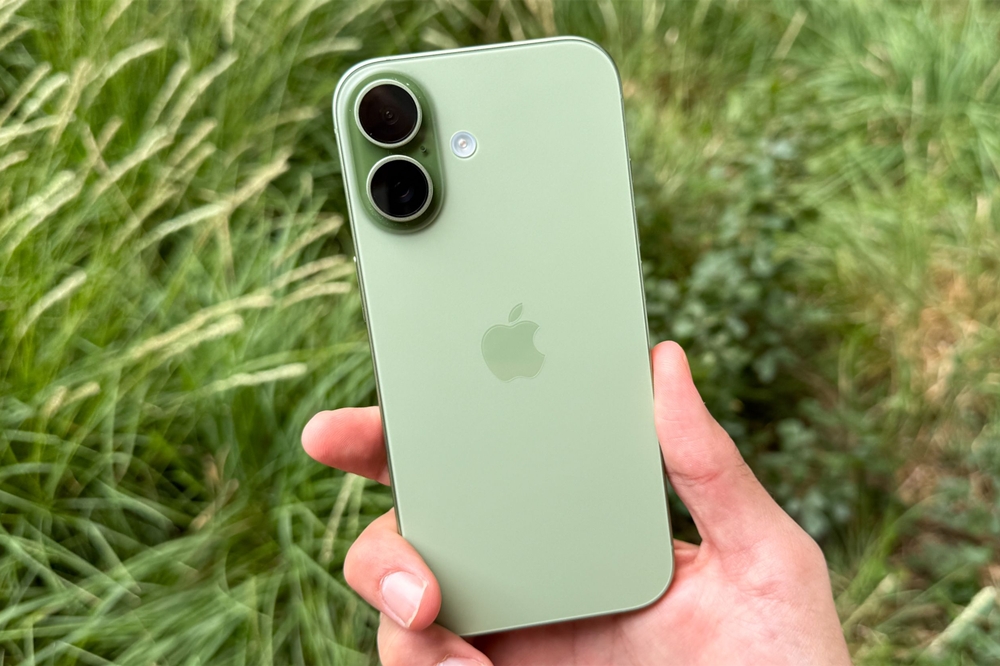
💡Apple's biannual iPhones may accelerate on-device AI hardware upgrades
⚡ 30-Second TL;DR
What Changed
Production lines for iPhone 18 and 18e have begun operation
Why It Matters
Faster release cycles may quicken hardware iterations, benefiting on-device AI features in future iPhones amid Apple's Intelligence push. This could pressure competitors and reshape mobile AI development timelines.
What To Do Next
Review Apple's Xcode previews for iPhone 18 hardware APIs to prepare AI model optimizations.
Key Points
- •Production lines for iPhone 18 and 18e have begun operation
- •First-ever simultaneous release of standard and e-series models
- •Transition from yearly to biannual iPhone release strategy
- •Aims to accelerate market response and supply chain efficiency
🧠 Deep Insight
AI-generated analysis for this event — not the original article.
🔑 Enhanced Key Takeaways
- •The iPhone 18 series is reportedly utilizing a new 1.4nm fabrication process from TSMC, marking a significant leap in transistor density and power efficiency over the previous 2nm generation.
- •Industry analysts suggest the 'e' series is positioned as a direct successor to the SE line, specifically targeting emerging markets with a lower price point while retaining the core A-series silicon architecture of the flagship models.
- •Supply chain reports indicate that Apple has diversified its assembly partners for this cycle, increasing production capacity in Vietnam and India to mitigate geopolitical risks associated with over-reliance on Chinese manufacturing hubs.
📊 Competitor Analysis▸ Show
| Feature | iPhone 18 | Samsung Galaxy S26 | Google Pixel 11 Pro |
|---|---|---|---|
| Processor | A20 Bionic (1.4nm) | Snapdragon 8 Gen 6 | Tensor G6 |
| Display | LTPO OLED 144Hz | Dynamic AMOLED 144Hz | Actua OLED 120Hz |
| Base Storage | 256GB | 256GB | 256GB |
| Est. Starting Price | $899 | $849 | $899 |
🛠️ Technical Deep Dive
- •Processor: A20 Bionic chip featuring a 6-core CPU architecture optimized for on-device generative AI tasks.
- •Display: Integration of 'Crystal-Shield' glass technology, offering a 30% increase in scratch resistance compared to the iPhone 17 series.
- •Connectivity: Adoption of the Snapdragon X80 5G modem, supporting advanced satellite-to-cellular communication protocols.
- •Battery: Implementation of high-density silicon-anode battery cells, providing a 15% increase in energy density without increasing physical volume.
🔮 Future ImplicationsAI analysis grounded in cited sources
⏳ Timeline
Weekly AI Recap
Read this week's curated digest of top AI events →
👉Related Updates
AI-curated news aggregator. All content rights belong to original publishers.
Original source: cnBeta (Full RSS) ↗
This is a summary, not the original. Read the source, or get the weekly briefing.
The weekly digest
One email a week. Unsubscribe anytime.