Apple seeks acquisitions to bolster AI chip development

💡Apple's move to acquire chip startups highlights a critical supply chain bottleneck for large-scale AI deployment.
⚡ 30-Second TL;DR
What Changed
Apple is struggling to design AI server chips at the required pace
Why It Matters
This shift signals a potential pivot in Apple's vertical integration strategy, moving from pure internal design to aggressive M&A to maintain its AI infrastructure competitive edge.
What To Do Next
Monitor Apple's supply chain and M&A announcements to identify potential shifts in AI hardware requirements for developers.
Key Points
- •Apple is struggling to design AI server chips at the required pace
- •The company is actively hunting for AI chip startup acquisitions
- •Bankers have been consulted to facilitate potential deal-making
🧠 Deep Insight
AI-generated analysis for this event.
🔑 Enhanced Key Takeaways
- •Apple's internal AI infrastructure, codenamed 'Project ACDC' (Apple Chips for Data Centers), is reportedly facing thermal management and power efficiency hurdles when scaling to large language model (LLM) training workloads.
- •The acquisition strategy is specifically targeting startups specializing in interconnect technologies and high-bandwidth memory (HBM) integration to reduce data latency between Apple's custom silicon and external memory modules.
- •Apple has shifted its internal R&D focus from consumer-grade Neural Engine optimization to high-throughput server-side inference chips, creating a resource vacuum that necessitates external talent acquisition.
- •Industry analysts suggest Apple is looking to replicate the vertical integration success of its M-series chips by developing a proprietary 'AI Fabric' that links thousands of server chips, a capability currently dominated by NVIDIA's NVLink architecture.
- •The company is reportedly exploring 'acqui-hiring' strategies, prioritizing teams with experience in RISC-V architecture to potentially diversify its chip design ecosystem away from exclusive reliance on ARM-based designs.
📊 Competitor Analysis▸ Show
| Feature | Apple (Project ACDC) | NVIDIA (Blackwell/Rubin) | Google (TPU v6) | Amazon (Trainium2) |
|---|---|---|---|---|
| Primary Focus | Vertical Integration/Privacy | General Purpose AI/HPC | Cloud/Internal LLM Scale | Cloud/Cost Efficiency |
| Interconnect | Proprietary (In-Development) | NVLink (Industry Standard) | ICI (Inter-Chip Interconnect) | EFA (Elastic Fabric Adapter) |
| Market Strategy | Closed Ecosystem | Open/Platform Dominance | Cloud-as-a-Service | Infrastructure-as-a-Service |
🛠️ Technical Deep Dive
- Apple's server chip architecture is expected to utilize a 2nm process node, focusing on maximizing TOPS (Tera Operations Per Second) per watt rather than raw peak performance.
- The design targets a unified memory architecture (UMA) scaled for data centers, allowing the GPU and NPU components to share a massive pool of HBM3e memory to eliminate data copying overhead.
- Implementation involves a custom-designed 'Neural Fabric' interconnect, intended to provide low-latency communication between chiplets in a multi-die package configuration.
- Power delivery systems are being redesigned to handle the high transient current demands of AI workloads, utilizing advanced trench capacitor technology to stabilize voltage rails.
🔮 Future ImplicationsAI analysis grounded in cited sources
⏳ Timeline
Weekly AI Recap
Read this week's curated digest of top AI events →
👉Related Updates
Same topic
Explore #hardware
Same product
More on apple-ai-chips
Same source
Latest from The Next Web (TNW)

Apple increases AppleCare+ prices amid global memory shortage
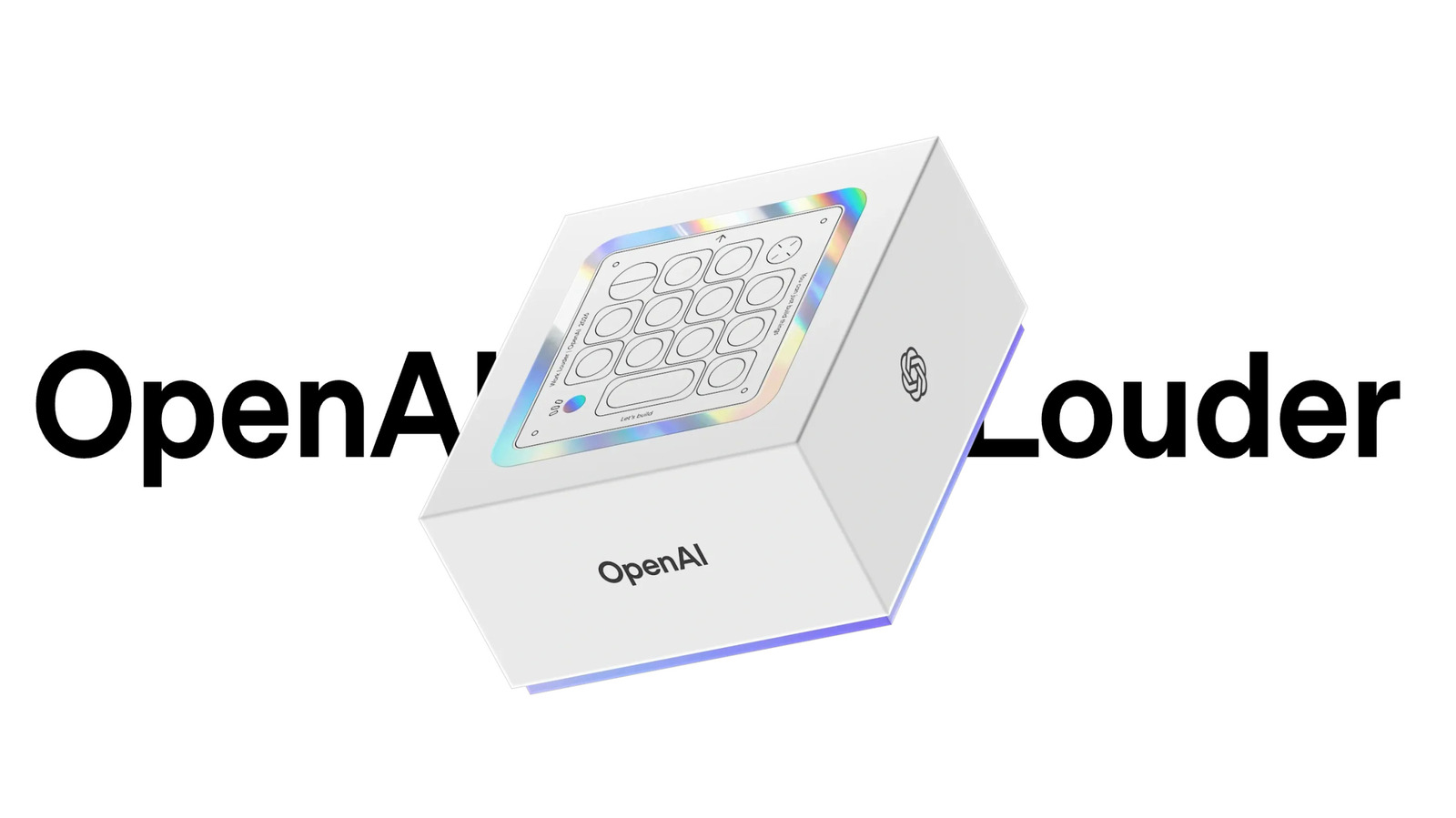
OpenAI launches a physical keypad for controlling agents

OnePlus faces potential US and global market exit by 2027

OpenAI develops autonomous AI super-hacker for safety testing
AI-curated news aggregator. All content rights belong to original publishers.
Original source: The Next Web (TNW) ↗