Apple restricts home service ads on Maps
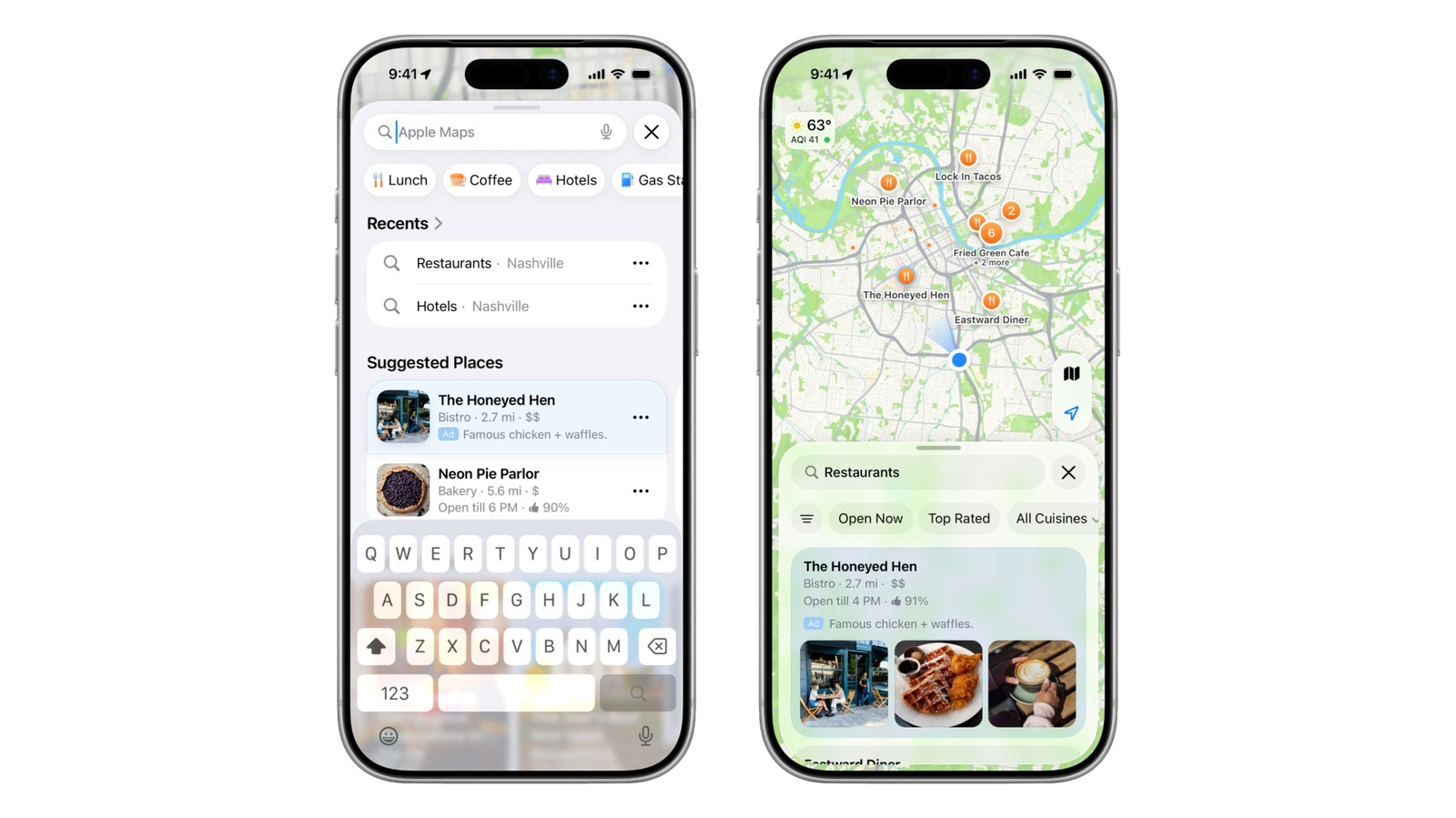
💡Understand Apple's evolving ad strategy in Maps to better position your local business or service discovery platform.
⚡ 30-Second TL;DR
What Changed
Apple Maps will exclude home service providers from its new ad inventory
Why It Matters
This policy change signals Apple's intent to maintain high-quality, location-relevant ad experiences, potentially impacting how local service startups integrate with Apple's ecosystem.
What To Do Next
If you are building a local service platform, review your business category metadata to ensure compliance with Apple's evolving ad policy guidelines.
Key Points
- •Apple Maps will exclude home service providers from its new ad inventory
- •The policy shift aims to optimize ad space for local brick-and-mortar businesses
- •This represents a strategic refinement of Apple's advertising ecosystem in Maps
🧠 Deep Insight
AI-generated analysis for this event.
🔑 Enhanced Key Takeaways
- •The restriction specifically targets lead-generation services and third-party aggregators that often dominate home service categories, aiming to reduce spam and low-quality listings.
- •Apple is utilizing a proprietary 'Verified Local' badge system to distinguish brick-and-mortar establishments from mobile service providers within the Maps interface.
- •Internal reports suggest this policy is a response to user feedback regarding 'service provider clutter' that obscured physical storefronts during navigation searches.
- •The advertising platform is integrated with Apple's SKAdNetwork to ensure privacy-preserving attribution, limiting the data tracking capabilities typically used by home service lead-gen firms.
- •This policy shift aligns with Apple's broader 'Services' revenue strategy, which prioritizes high-intent local commerce over broad-reach digital service advertising.
📊 Competitor Analysis▸ Show
| Feature | Apple Maps Ads | Google Maps Ads | Yelp Ads |
|---|---|---|---|
| Home Services Allowed | No | Yes | Yes |
| Primary Focus | Brick-and-Mortar | Intent-based Search | Review-driven Discovery |
| Privacy Model | High (SKAdNetwork) | Moderate (Privacy Sandbox) | Low (Third-party tracking) |
🛠️ Technical Deep Dive
- The ad delivery mechanism utilizes on-device machine learning to rank local results based on proximity and user history without transmitting raw location data to Apple servers.
- Ad inventory is managed via the Apple Search Ads API, which has been extended to support Maps-specific geofencing parameters.
- The filtering system for home services relies on a classification model that analyzes business category metadata and service area radius definitions to automatically flag and exclude non-brick-and-mortar entities.
- Attribution is handled through a privacy-centric framework that uses hashed tokens to verify ad clicks without identifying individual users.
🔮 Future ImplicationsAI analysis grounded in cited sources
⏳ Timeline
Weekly AI Recap
Read this week's curated digest of top AI events →
👉Related Updates



AI-curated news aggregator. All content rights belong to original publishers.
Original source: Engadget ↗