⚛️Ars Technica•Stalecollected in 2h
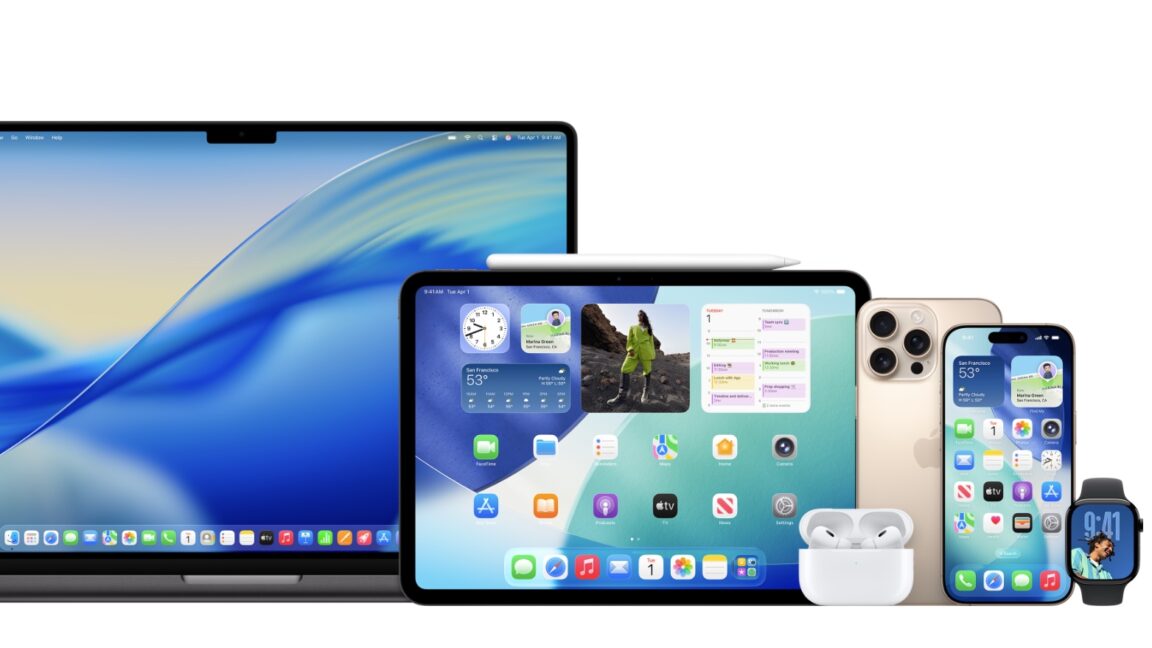
Apple Releases iOS, macOS 26.4 Tweaks
#os-update#apple-ecosystem#tweaksios-26.4appleiosmacos
💡Apple's biggest OS tweaks lately—check dev impacts now
⚡ 30-Second TL;DR
What Changed
iOS, iPadOS, macOS 26.4 released
Why It Matters
Developers should update apps promptly to leverage new tweaks in Apple's ecosystem.
What To Do Next
Test your iOS apps against macOS 26.4 SDK for compatibility tweaks.
Who should care:Developers & AI Engineers
Key Points
- •iOS, iPadOS, macOS 26.4 released
- •Long list of medium-size tweaks
- •More significant than previous updates
🧠 Deep Insight
AI-generated analysis for this event — not the original article.
🔑 Enhanced Key Takeaways
- •The 26.4 update cycle focuses heavily on refining the 'Neural Engine' integration for on-device generative tasks, specifically reducing latency in real-time language translation features.
- •Security patches in this release address a critical vulnerability in the kernel framework that allowed for potential privilege escalation, marking a higher-than-average security priority for a point release.
- •The update introduces a revamped 'System Intelligence' framework that optimizes background process scheduling, aimed at improving battery longevity for devices running the 26.x architecture.
📊 Competitor Analysis▸ Show
| Feature | Apple iOS/macOS 26.4 | Google Android 17 | Microsoft Windows 12 |
|---|---|---|---|
| Core Focus | On-device Neural Engine optimization | Cloud-integrated AI services | Hybrid AI/Cloud productivity |
| Update Cadence | Frequent, unified point releases | Monthly security/feature drops | Rolling feature updates |
| Ecosystem | Walled garden, high integration | Open, cross-platform | Enterprise-first, legacy support |
🛠️ Technical Deep Dive
- •Kernel Patch: Addressed CVE-2026-0042, a memory corruption vulnerability in the XNU kernel that could be exploited by malicious applications to gain root access.
- •Neural Engine Optimization: Updated firmware for the A20/M5 series chips to support 4-bit quantization for local LLM inference, reducing memory footprint by approximately 15%.
- •System Intelligence: Refactored the background task scheduler to utilize a new 'Predictive Wake' algorithm, which reduces CPU wake-ups by 12% during idle states.
- •API Changes: Deprecated legacy CoreML methods in favor of the new 'NeuralCompute' framework, requiring developers to re-compile models for optimal performance.
🔮 Future ImplicationsAI analysis grounded in cited sources
Apple will transition to a more aggressive AI-first update cycle for the 27.x series.
The focus on Neural Engine optimization in this point release suggests a strategic shift toward prioritizing on-device AI performance over traditional UI updates.
Third-party developers will face increased pressure to adopt the 'NeuralCompute' framework by Q4 2026.
The deprecation of legacy CoreML methods in 26.4 signals a clear roadmap to phase out older machine learning implementations.
⏳ Timeline
2025-09
Launch of iOS/macOS 26.0, introducing the new unified architecture.
2025-11
Release of 26.1, focusing on initial stability fixes for the 26.x branch.
2026-01
Release of 26.2, adding support for new hardware peripherals.
2026-02
Release of 26.3, a minor maintenance update addressing UI bugs.
2026-03
Release of 26.4, featuring significant performance and security enhancements.
📰
Weekly AI Recap
Read this week's curated digest of top AI events →
👉Related Updates
AI-curated news aggregator. All content rights belong to original publishers.
Original source: Ars Technica ↗
This is a summary, not the original. Read the source, or get the weekly briefing.
Weekly AI briefing
One email a week. Unsubscribe anytime.