📱Engadget•Freshcollected in 50m
Apple quietly hid a big change coming for CarPlay
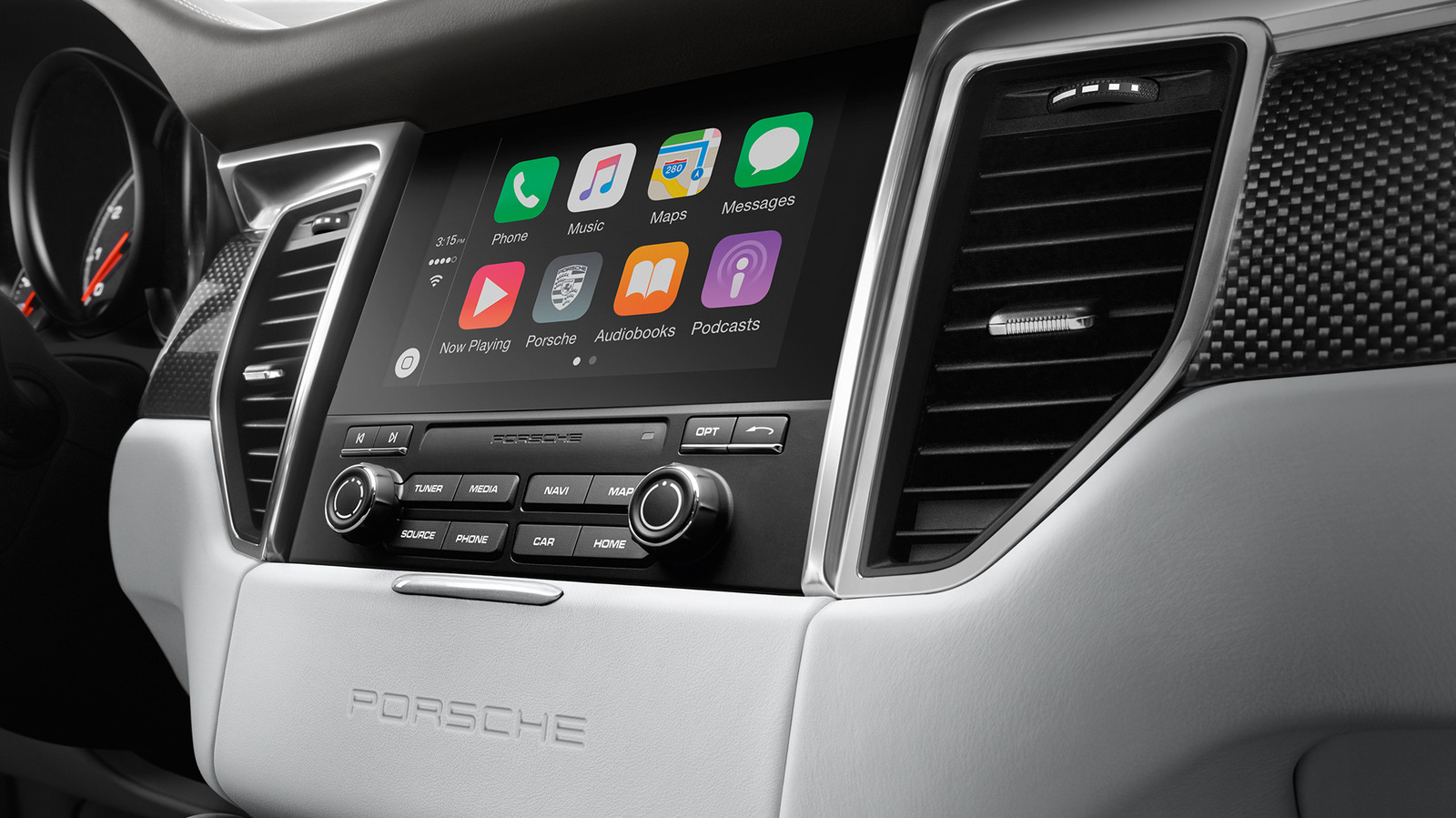
💡See how Apple is evolving its automotive AI strategy to compete with Google's Android Auto.
⚡ 30-Second TL;DR
What Changed
New CarPlay feature announced for iOS 27
Why It Matters
Automotive AI is becoming a key battleground for big tech, with both Apple and Google racing to standardize AI-driven in-car experiences.
What To Do Next
Monitor the Apple Developer documentation for iOS 27 to see how new CarPlay APIs might support your automotive app integrations.
Who should care:Developers & AI Engineers
Key Points
- •New CarPlay feature announced for iOS 27
- •Direct response to Google's Android Auto updates
- •Focus on automotive AI integration
🧠 Deep Insight
AI-generated analysis for this event.
🔑 Enhanced Key Takeaways
- •The iOS 27 CarPlay update introduces 'Deep Vehicle Integration,' allowing the system to access real-time powertrain, battery, and climate control data directly from the vehicle's CAN bus.
- •Apple is utilizing a localized version of its 'Apple Intelligence' framework to process voice commands and navigation requests offline, reducing latency compared to previous cloud-dependent iterations.
- •The update includes a new 'Adaptive UI' engine that automatically adjusts the CarPlay interface layout based on the specific screen aspect ratio and resolution of the vehicle's dashboard display.
- •Apple has partnered with major automotive OEMs to implement 'Secure Vehicle Access,' enabling iPhone-based digital keys to function via Ultra-Wideband (UWB) even when the phone battery is depleted.
- •The integration supports multi-display environments, allowing CarPlay to extend content simultaneously to the instrument cluster, infotainment screen, and passenger-side displays.
📊 Competitor Analysis▸ Show
| Feature | Apple CarPlay (iOS 27) | Google Android Auto (AI Update) |
|---|---|---|
| AI Integration | On-device Apple Intelligence | Cloud-based Gemini Nano |
| Vehicle Data Access | Deep CAN bus integration | Limited API-based access |
| Hardware Support | UWB Digital Key standard | NFC/Bluetooth Digital Key |
| Display Support | Multi-screen native support | Single-screen primary focus |
🛠️ Technical Deep Dive
- Architecture: Utilizes a split-kernel approach where the CarPlay interface runs as a containerized process separate from the vehicle's native infotainment OS to ensure stability.
- Connectivity: Leverages Wi-Fi 7 for high-bandwidth data transfer between the iPhone and vehicle head unit, enabling 4K resolution support for multi-display setups.
- Security: Implements a hardware-backed Secure Enclave handshake for all vehicle control commands, preventing unauthorized access to critical powertrain functions.
- Data Processing: Employs a dedicated neural engine partition on the iPhone to handle real-time sensor fusion for predictive navigation and energy management.
🔮 Future ImplicationsAI analysis grounded in cited sources
Apple will transition CarPlay from a projection system to a full-fledged vehicle operating system.
The depth of CAN bus integration and multi-display support suggests Apple is positioning CarPlay to replace proprietary automotive infotainment software entirely.
Automotive OEMs will face increased pressure to standardize hardware interfaces.
As Apple demands deeper access to vehicle telemetry, manufacturers must adopt unified communication protocols to maintain compatibility with iOS 27 features.
⏳ Timeline
2022-06
Apple previews the next generation of CarPlay with multi-display support at WWDC.
2023-12
Initial rollout of next-gen CarPlay features begins with select luxury automotive partners.
2025-06
Apple announces the integration of Apple Intelligence into the broader iOS ecosystem.
2026-06
Apple unveils iOS 27 at WWDC, detailing the new AI-driven automotive features.
📰
Weekly AI Recap
Read this week's curated digest of top AI events →
👉Related Updates

AI-curated news aggregator. All content rights belong to original publishers.
Original source: Engadget ↗