Apple officially launches AI-powered Siri AI
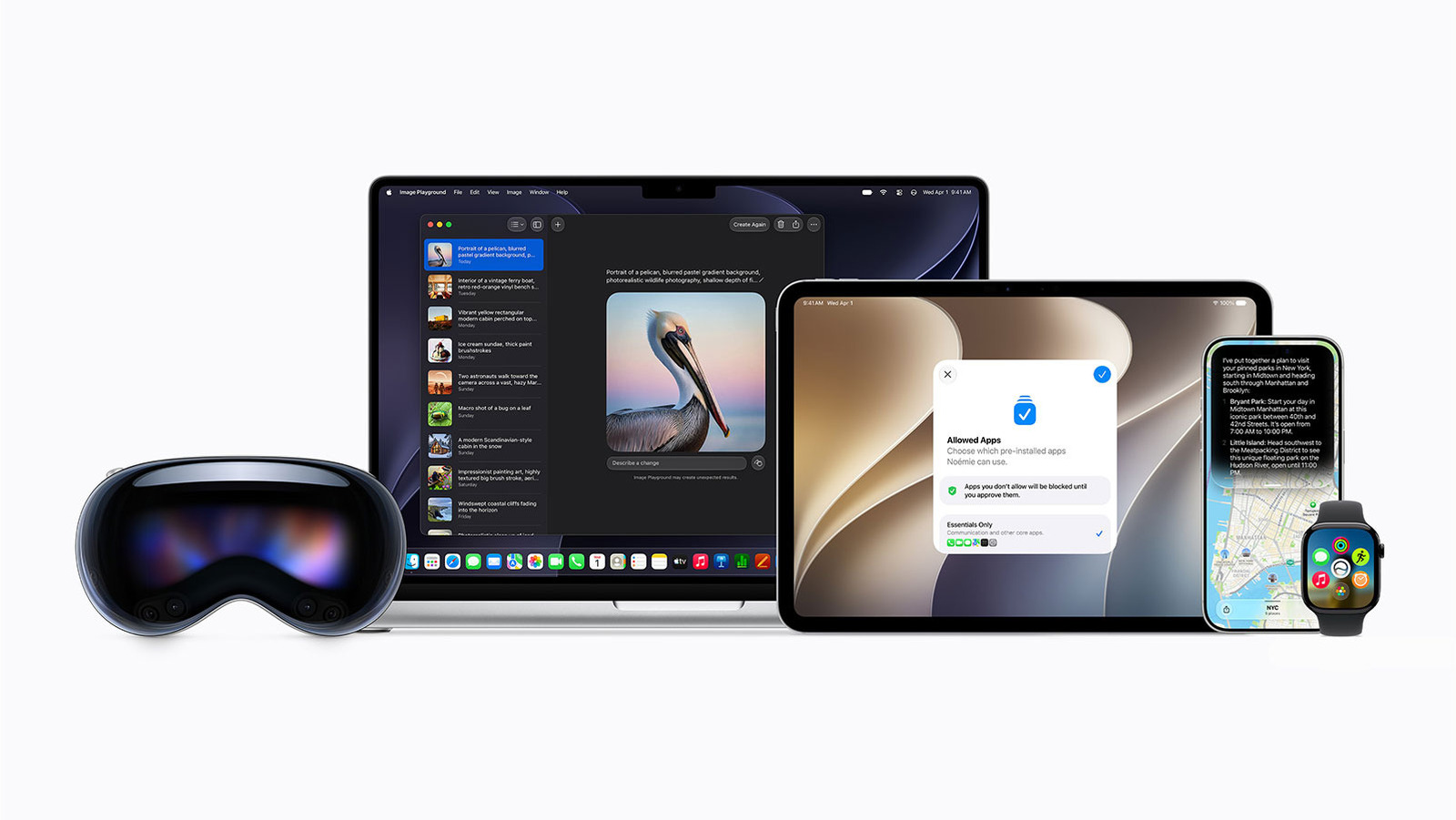
💡Apple's new Siri AI is a major platform shift; learn how to integrate your apps with the new voice-AI capabilities.
⚡ 30-Second TL;DR
What Changed
Siri AI officially launched at WWDC 2026
Why It Matters
The launch of Siri AI creates new opportunities for developers to integrate voice-based AI interactions into their applications via Apple's ecosystem.
What To Do Next
Explore the new Siri AI SDK documentation to understand how to expose your app's functions to the new voice assistant.
Key Points
- •Siri AI officially launched at WWDC 2026
- •Integrates advanced AI capabilities teased in 2024
- •Represents a major shift in Apple's voice assistant strategy
🧠 Deep Insight
Background and context from public sources — not the original article. 11 sources cited.
🔑 Enhanced Key Takeaways
- •Siri AI is powered by Apple Intelligence, leveraging next-generation Apple Foundation Models that operate both on-device and through Private Cloud Compute, ensuring user data privacy by not storing or making it accessible to Apple or third parties.
- •The new Siri AI features a redesigned interface, emerging from the Dynamic Island with a 'Liquid Glass' appearance, and includes a dedicated Siri AI app that syncs conversation history across all Apple devices.
- •Apple partnered with Google to integrate Gemini-based AI capabilities for specific 'Apple Foundation Models' related to speech recognition, image, and video generation, marking a significant external collaboration for core AI components.
- •Siri AI offers profoundly enhanced conversational abilities, including improved speech understanding, context-awareness, the capacity to handle multi-turn conversations, and the ability to understand on-screen content.
- •The launch of Siri AI at WWDC 2026 came after a delay from its initial promise in 2024, reportedly due to internal development challenges and a subsequent strategic overhaul that led to the partnership with Google.
🛠️ Technical Deep Dive
- Rebuilt from the ground up with a powerful new architecture, leveraging Apple Intelligence.
- Utilizes next-generation Apple Foundation Models, running both on-device and on servers via Private Cloud Compute for enhanced privacy.
- Employs a system orchestrator to integrate with core capabilities like Spotlight index and App Toolbox, which function entirely on-device.
- Incorporates Google Gemini-based AI for specific Apple Foundation Models, particularly for speech recognition, image, and video generation.
- Features improved speech understanding, more expressive and customizable voices, and significantly boosted accuracy in system-wide dictation.
- Expands Visual Intelligence across iPhone, iPad, Mac, and Apple Vision Pro, enabling camera-based object recognition and on-screen content analysis.
- Provides system-wide productivity features, including AI-powered assistance for planning, message drafting, and document proofreading, even within third-party apps.
🔮 Future ImplicationsAI analysis grounded in cited sources
⏳ Timeline
📎 Sources (11)
Factual claims are grounded in the sources below. Forward-looking analysis is AI-generated interpretation.
Weekly AI Recap
Read this week's curated digest of top AI events →
👉Related Updates
AI-curated news aggregator. All content rights belong to original publishers.
Original source: Engadget ↗
This is a summary, not the original. Read the source, or get the weekly briefing.
The weekly digest
One email a week. Unsubscribe anytime.