Source虎嗅•Stalecollected in 18m
Apple Laptops Excel in Hidden Value
#apple-strategy#laptop-value#price-anchoringmacbook-pro-/-macbook-airmacbook-promacbook-airlg-gramthinkpad-x1-carbon
💡Apple's value strategy key for picking AI dev laptops
⚡ 30-Second TL;DR
What Changed
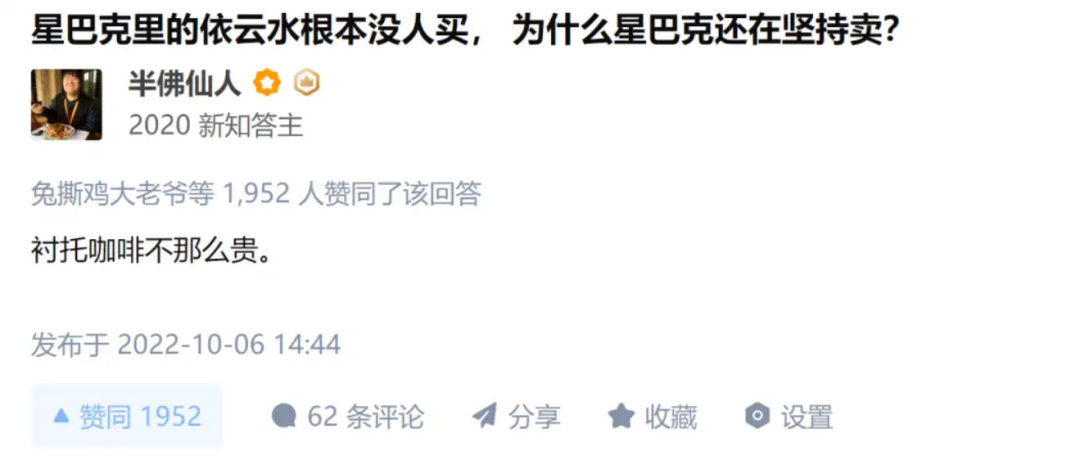
MacBook Pro cheaper than equivalent mobile workstation + display
Why It Matters
Reinforces Apple's premium positioning strategy, offering lessons in pricing AI hardware for niche pro users.
What To Do Next
Benchmark MacBook Air vs Dell XPS for your AI coding laptop needs.
Who should care:Developers & AI Engineers
Key Points
- •MacBook Pro cheaper than equivalent mobile workstation + display
- •MacBook Air outperforms LG Gram, ThinkPad X1 in battery/design
- •Value from proper benchmarking against same-tier rivals
- •Ecosystem thrives on unmet needs in performance/portability
🧠 Deep Insight
AI-generated analysis for this event — not the original article.
🔑 Enhanced Key Takeaways
- •Apple's transition to proprietary Silicon (M-series) has fundamentally altered the TCO (Total Cost of Ownership) equation by delivering industry-leading performance-per-watt, which significantly extends the useful lifecycle of hardware compared to x86-based alternatives.
- •The resale value of MacBook hardware remains a critical component of the 'hidden value' argument, with secondary market data consistently showing that Apple laptops retain 40-60% of their value after three years, far outpacing Windows-based ultrabooks.
- •Apple's vertical integration of hardware and software (macOS optimization) allows for unified memory architecture, enabling base-model machines to handle professional-grade creative workloads that would require significantly more expensive RAM configurations on competing platforms.
📊 Competitor Analysis▸ Show
| Feature | MacBook Pro (M4/M5) | Dell Precision / HP ZBook | LG Gram / ThinkPad X1 |
|---|---|---|---|
| Performance/Watt | Industry Leading | Moderate (High TDP) | Low (Efficiency focused) |
| Display Quality | Mini-LED (XDR) | IPS/OLED (Optional) | IPS/OLED |
| Resale Value | High | Low/Moderate | Low |
| Pricing | Premium | High (Enterprise) | Mid-to-High |
🛠️ Technical Deep Dive
- •Unified Memory Architecture (UMA): Allows the CPU, GPU, and Neural Engine to access the same memory pool without data copying, reducing latency and power consumption.
- •Media Engine: Dedicated hardware acceleration blocks for H.264, HEVC, ProRes, and ProRes RAW, which offload intensive video encoding/decoding tasks from the main CPU cores.
- •Efficiency Cores vs. Performance Cores: Apple's heterogeneous computing design allows the system to handle background tasks on low-power cores, significantly extending battery life during non-intensive workflows.
- •Fabrication Process: Utilization of TSMC's advanced nodes (e.g., 3nm) enables higher transistor density, directly contributing to the performance-per-watt advantage over traditional x86 mobile processors.
🔮 Future ImplicationsAI analysis grounded in cited sources
Apple will further decouple from third-party component dependencies.
Continued investment in custom silicon, including potential internal development of Wi-Fi/Bluetooth chips, will further increase margins and control over the hardware stack.
The 'hidden value' argument will face pressure from AI-optimized x86 chips.
As Intel and AMD integrate more powerful NPUs and improve efficiency, the performance gap that currently justifies Apple's premium pricing may narrow.
⏳ Timeline
2020-11
Apple introduces the M1 chip, marking the start of the transition from Intel processors to Apple Silicon.
2021-10
Launch of the redesigned MacBook Pro with M1 Pro/Max chips, reintroducing ports and high-end display technology.
2022-06
Introduction of the M2 chip and the redesigned MacBook Air, solidifying the new design language.
2023-10
Apple announces the M3 family of chips, utilizing 3nm process technology for improved efficiency.
2024-10
Release of M4-series chips, further emphasizing AI-focused neural engine performance.
📰
Weekly AI Recap
Read this week's curated digest of top AI events →
👉Related Updates


AI-curated news aggregator. All content rights belong to original publishers.
Original source: 虎嗅 ↗
This is a summary, not the original. Read the source, or get the weekly briefing.
The weekly digest
One email a week. Unsubscribe anytime.