🏕️极客公园•Stalecollected in 2h
Apple-Intel Foundry Reunion After 6-Year Split
💡Apple taps Intel foundry for M-chips, diversifying AI silicon from TSMC bottlenecks.
⚡ 30-Second TL;DR
What Changed
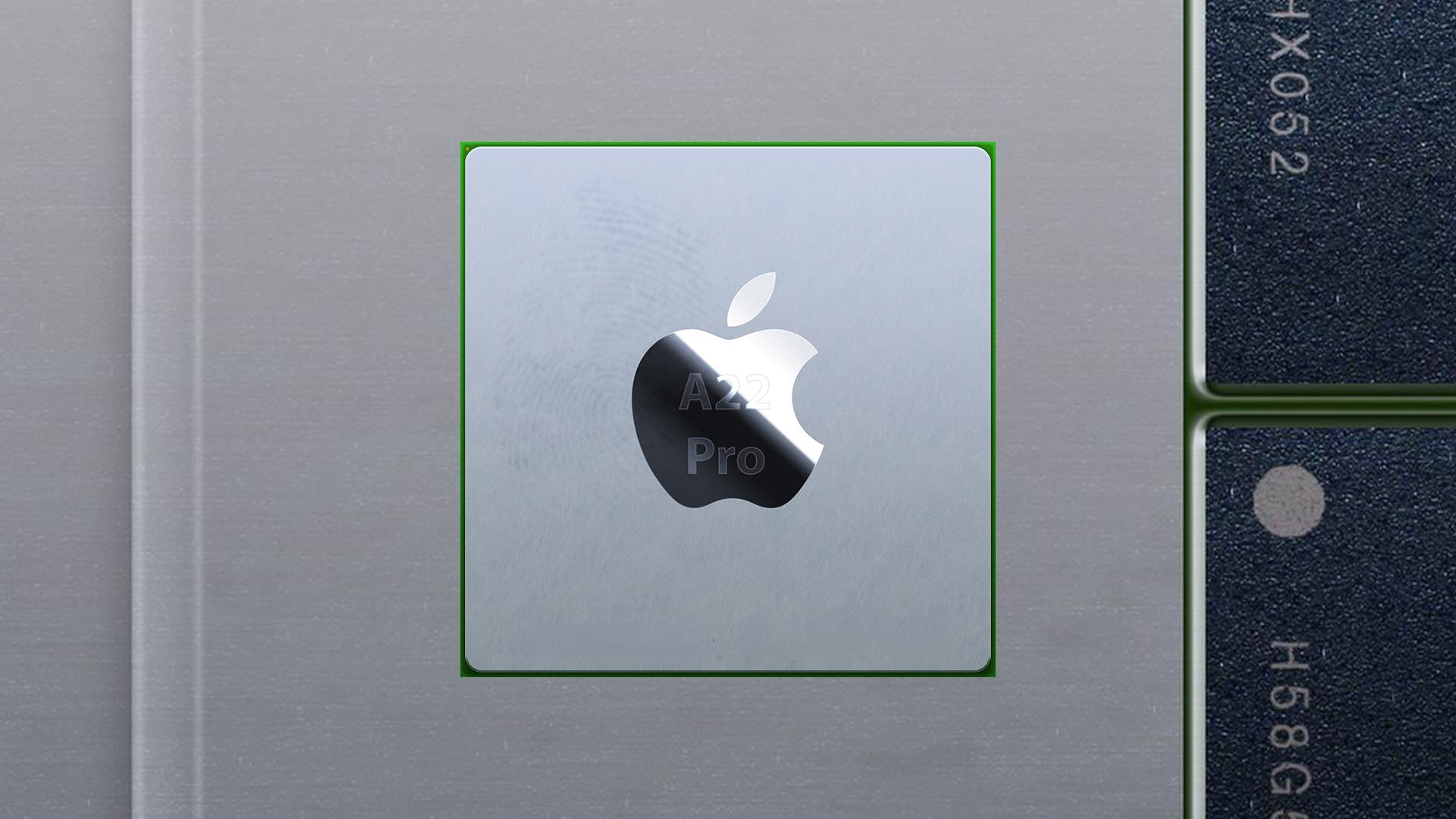
Apple signs preliminary deal for Intel to foundry 15-20M entry-level M chips annually
Why It Matters
Diversifies Apple's chip supply, reducing TSMC single-point risk for AI-powered Macs. Boosts Intel Foundry viability in advanced nodes critical for AI accelerators. Potential cost hikes could impact AI hardware pricing.
What To Do Next
Monitor Ming-Chi Kuo reports on Intel 18A yields for Apple M-chip production timelines.
Who should care:Enterprise & Security Teams
Key Points
- •Apple signs preliminary deal for Intel to foundry 15-20M entry-level M chips annually
- •Intel 18A/18A-P 1.8nm process targets TSMC 2nm equivalent, with 9% perf gain in -P variant
- •Driven by TSMC shortages for A19 chips and Nvidia AI demand
- •Intel Foundry also wins Nvidia, Musk's Terafab, Microsoft deals boosting stock 433%
- •Challenges include proving TSMC-level yields for Apple certification
🧠 Deep Insight
AI-generated analysis for this event.
🔑 Enhanced Key Takeaways
- •Intel's 18A process utilizes RibbonFET gate-all-around (GAA) transistor architecture and PowerVia backside power delivery, which are critical for meeting Apple's stringent power-efficiency requirements for mobile silicon.
- •The partnership marks a strategic pivot for Apple to diversify its supply chain beyond TSMC's Taiwan-centric facilities, mitigating geopolitical risks and capacity constraints caused by the massive surge in high-performance computing (HPC) and AI accelerator demand.
- •Industry analysts note that Apple's certification process for Intel Foundry involves rigorous 'design-technology co-optimization' (DTCO) to ensure that Intel's PDKs (Process Design Kits) can replicate the performance-per-watt metrics Apple currently achieves with TSMC's N3/N2 nodes.
📊 Competitor Analysis▸ Show
| Feature | Intel 18A (Foundry) | TSMC N2 (2nm) | Samsung 2nm (SF2) |
|---|---|---|---|
| Transistor Architecture | RibbonFET (GAA) | NanoFlex (GAA) | MBCFET (GAA) |
| Power Delivery | Backside (PowerVia) | Frontside (Standard) | Backside (BSPDN) |
| Maturity (as of 2026) | High-Volume Ramp | High-Volume Production | Early Production |
🛠️ Technical Deep Dive
- RibbonFET Architecture: Intel's implementation of GAA transistors, allowing for tighter gate control and reduced leakage current compared to traditional FinFETs.
- PowerVia: Intel's proprietary backside power delivery network, which separates signal and power routing to reduce IR drop and improve logic density.
- PDK Integration: Apple is utilizing specialized EDA (Electronic Design Automation) tools from Synopsys and Cadence, optimized for Intel's 18A process, to port existing M-series IP blocks.
🔮 Future ImplicationsAI analysis grounded in cited sources
Apple will reduce its reliance on TSMC for non-flagship silicon by at least 20% by 2028.
The shift of entry-level M-series production to Intel Foundry provides Apple with a secondary high-volume manufacturing source, reducing single-vendor dependency.
Intel Foundry will achieve operational profitability by Q4 2027.
Securing high-volume, long-term contracts with major anchor customers like Apple and Nvidia provides the necessary scale to offset the massive capital expenditures of the 18A node.
⏳ Timeline
2020-11
Apple officially transitions from Intel CPUs to Apple Silicon (M1) for Mac lineup.
2021-03
Intel announces 'IDM 2.0' strategy, formally launching Intel Foundry Services.
2024-02
Intel Foundry holds 'Direct Connect' event, detailing the 18A process roadmap and ecosystem partners.
2025-09
Intel begins risk production of 18A process nodes for early-access customers.
📰
Weekly AI Recap
Read this week's curated digest of top AI events →
👉Related Updates

AI-curated news aggregator. All content rights belong to original publishers.
Original source: 极客公园 ↗