Apple hardware prices rise amid surging memory costs
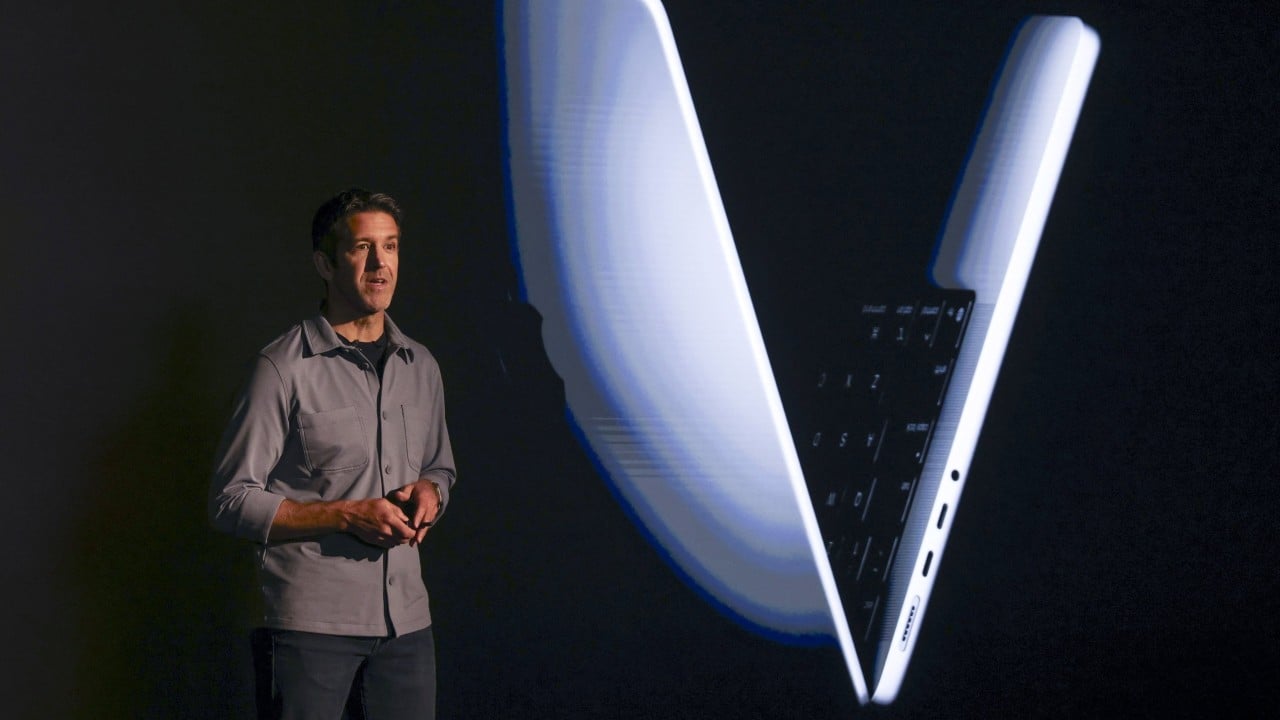
Rising memory costs for Apple hardware could signal higher infrastructure expenses for local AI model deployment.
30-Second TL;DR
What Changed
Apple increased prices for Macs, iPads, and Vision Pro by up to 20% globally.
Why It Matters
Increased hardware costs may impact the total cost of ownership for AI development environments that rely on high-spec Apple silicon. Developers should account for potential hardware budget inflation when planning edge AI deployment.
What To Do Next
Re-evaluate your hardware procurement strategy for local LLM inference nodes to account for rising memory component costs.
Key Points
- •Apple increased prices for Macs, iPads, and Vision Pro by up to 20% globally.
- •Rising costs of memory and storage components are driving these hardware price hikes.
- •Analysts predict potential future price increases for the iPhone and Apple Watch.
Deep Insight
AI-generated analysis for this event — not the original article.
Enhanced Key Takeaways
- •The memory market surge is primarily attributed to a supply-demand imbalance in High Bandwidth Memory (HBM) production, which has diverted capacity away from standard LPDDR5X and NAND flash manufacturing.
- •Apple's supply chain diversification strategy is facing pressure as major memory suppliers like Samsung and SK Hynix prioritize AI-server grade chips over consumer electronics components.
- •The Vision Pro price adjustment is specifically linked to the increased cost of specialized R1 chip-integrated memory modules, which require high-speed, low-latency specifications.
- •Industry reports indicate that Apple is renegotiating long-term supply agreements to mitigate further volatility, though analysts suggest these contracts may now include higher floor prices.
- •Retail channel inventory levels for MacBook and iPad models have tightened significantly in the last quarter, reducing the availability of promotional discounting by third-party resellers.
Competitor Analysis
- Apple (Mac/iPad)
- Proprietary Unified Memory
- Samsung (Galaxy Tab/Book)
- Standardized LPDDR5X
- Microsoft (Surface)
- Standardized LPDDR5X
- Apple (Mac/iPad)
- Upward (20% hike)
- Samsung (Galaxy Tab/Book)
- Stable/Competitive
- Microsoft (Surface)
- Moderate adjustments
- Apple (Mac/iPad)
- Direct/High-Volume
- Samsung (Galaxy Tab/Book)
- Vertical Integration
- Microsoft (Surface)
- Third-party reliance
| Feature/Metric | Apple (Mac/iPad) | Samsung (Galaxy Tab/Book) | Microsoft (Surface) |
|---|---|---|---|
| Memory Strategy | Proprietary Unified Memory | Standardized LPDDR5X | Standardized LPDDR5X |
| Pricing Trend | Upward (20% hike) | Stable/Competitive | Moderate adjustments |
| Supply Chain | Direct/High-Volume | Vertical Integration | Third-party reliance |
Technical Deep Dive
- Apple's Unified Memory Architecture (UMA) requires high-bin LPDDR5X chips to maintain bandwidth parity across CPU, GPU, and Neural Engine cores.
- The cost increase is exacerbated by the transition to 3nm and 2nm process nodes for Apple Silicon, which necessitates higher-density, more expensive NAND flash controllers.
- Vision Pro's R1 chip utilizes custom-packaged memory to achieve the 12ms photon-to-photon latency requirement, making it highly sensitive to component cost fluctuations.
Future ImplicationsAI analysis grounded in cited sources
Timeline
- 2023-06Apple announces the Vision Pro, setting high-performance memory requirements.
- 2024-05Apple releases M4-powered iPad Pro, utilizing advanced tandem OLED and high-speed memory.
- 2025-11Global memory spot prices begin a sustained upward trend due to AI server demand.
- 2026-03Apple reports increased component procurement costs in its Q2 fiscal earnings call.
Event Coverage
Weekly AI Recap
Read this week's curated digest of top AI events →
Related Updates


AI-curated news aggregator. All content rights belong to original publishers.
Original source: SCMP Technology ↗
This is a summary, not the original. Read the source, or get the weekly briefing.
The weekly digest
One email a week. Unsubscribe anytime.