Apple evaluates Intel for future chip manufacturing

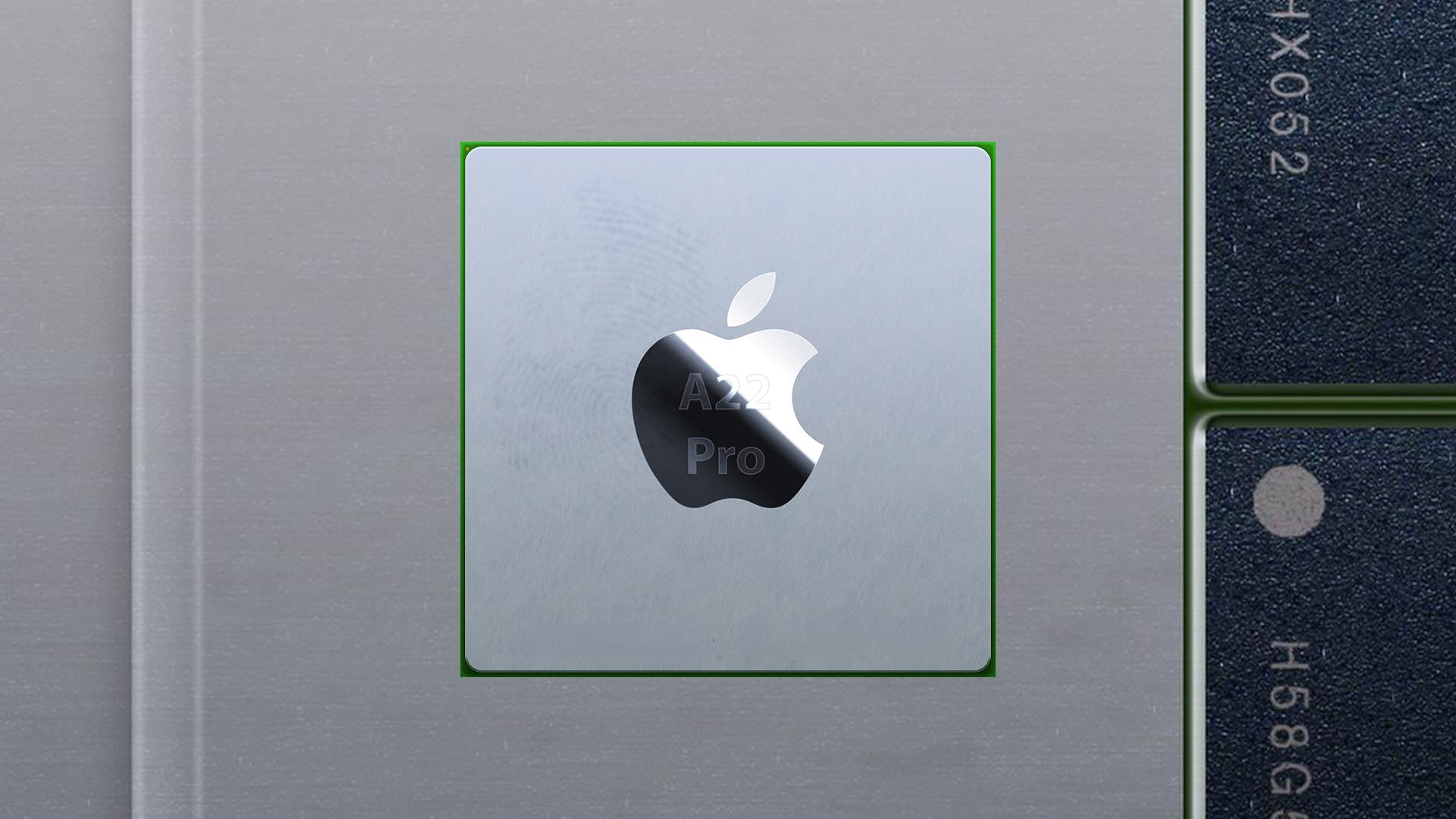
💡Major shift in chip supply chain: Apple eyes Intel's 18A process to diversify manufacturing away from TSMC.
⚡ 30-Second TL;DR
What Changed
Apple is testing Intel's 18A-P series technology with a potential ramp-up in 2027.
Why It Matters
If successful, this partnership could reshape the global semiconductor landscape by reducing Apple's reliance on Taiwan-based manufacturing. It validates Intel's foundry strategy and supports U.S. domestic chip production goals.
What To Do Next
Monitor Intel Foundry's 18A yield reports and roadmap updates, as they will dictate the feasibility of large-scale domestic chip production for major tech firms.
Key Points
- •Apple is testing Intel's 18A-P series technology with a potential ramp-up in 2027.
- •The partnership aims to diversify supply chains, though TSMC will likely remain the primary manufacturer for high-end chips.
- •Intel may focus on producing older chip designs for entry-level Apple products like iPhones and iPads.
🧠 Deep Insight
Web-grounded analysis with 19 cited sources.
🔑 Enhanced Key Takeaways
- •Apple has reportedly initiated small-scale testing of lower-end iPhone, iPad, and Mac processors using Intel's 18A-P chip manufacturing process, with production testing expected to begin in 2026 and larger-scale manufacturing potentially growing through 2027 and 2028.
- •The U.S. government played a pivotal role in facilitating this preliminary agreement, converting nearly $9 billion in federal grants into a roughly 10% stake in Intel and actively encouraging partnerships to promote domestic chip manufacturing.
- •Intel's 18A-P process is an enhanced version of the 18A node, designed to deliver up to 9% performance gains at ISO-power or 18% lower power at ISO-performance compared to the base 18A, and features improved thermals and tighter process variability control.
- •While Apple's orders are unlikely to significantly reverse Intel Foundry Services' (IFS) quarterly losses in the short term, the partnership holds strategic importance as a 'foundry training' opportunity for Intel, helping it rebuild advanced-node capabilities by meeting Apple's demanding standards across multiple product lines.
- •Apple's move to diversify its supply chain is partly driven by its recognition that TSMC's resources are increasingly tilting towards AI and High-Performance Computing (HPC), potentially leading to capacity constraints for consumer devices like iPhones.
📊 Competitor Analysis▸ Show
null
🛠️ Technical Deep Dive
- RibbonFET Transistors (Gate-All-Around - GAA): Intel 18A is the company's first commercial process to utilize RibbonFET transistors, which are Intel's implementation of gate-all-around (GAA) FETs. This architecture wraps the gate entirely around the conducting channel, improving electrostatic control, reducing leakage, and enabling scalability beyond FinFET.
- PowerVia (Backside Power Delivery Network - BSPDN): Intel 18A integrates PowerVia, the industry's first backside power delivery network in high-volume production. This technology moves power delivery to the backside of the wafer, separating it from signal routing, which improves performance, reduces IR drop, and enhances cell utilization by up to 10%.
- EUV Lithography: The 18A process extensively uses extreme ultraviolet (EUV) lithography for critical patterning.
- 18A-P Enhancements: The 18A-P variant builds on the base 18A with improved performance and optimizations for multiple voltage types. It introduces new types of RibbonFET transistors (high-performance and low-power devices), tighter process variability control, and improved thermals, leading to up to 9% higher performance at iso-power or 18% lower power at iso-performance compared to 18A.
- Foveros Packaging: Apple is reportedly using Foveros packaging in conjunction with Intel's 18A-P series for its processors, which is Intel's 3D packaging technology that allows combining different nodes for complex 'systems of chips'.
🔮 Future ImplicationsAI analysis grounded in cited sources
⏳ Timeline
📎 Sources (19)
Factual claims are grounded in the sources below. Forward-looking analysis is AI-generated interpretation.
- Google Search Source
- Google Search Source
- Google Search Source
- Google Search Source
- Google Search Source
- Google Search Source
- Google Search Source
- Google Search Source
- Google Search Source
- Google Search Source
- Google Search Source
- Google Search Source
- Google Search Source
- Google Search Source
- Google Search Source
- Google Search Source
- Google Search Source
- Google Search Source
- Google Search Source
Weekly AI Recap
Read this week's curated digest of top AI events →
👉Related Updates


AI-curated news aggregator. All content rights belong to original publishers.
Original source: Computerworld ↗