Apple dominates Q1 Edge AI smartwatch market with 90% share
💡See how Apple is successfully scaling Edge AI in consumer wearables to inform your own hardware-AI strategy.
⚡ 30-Second TL;DR
What Changed
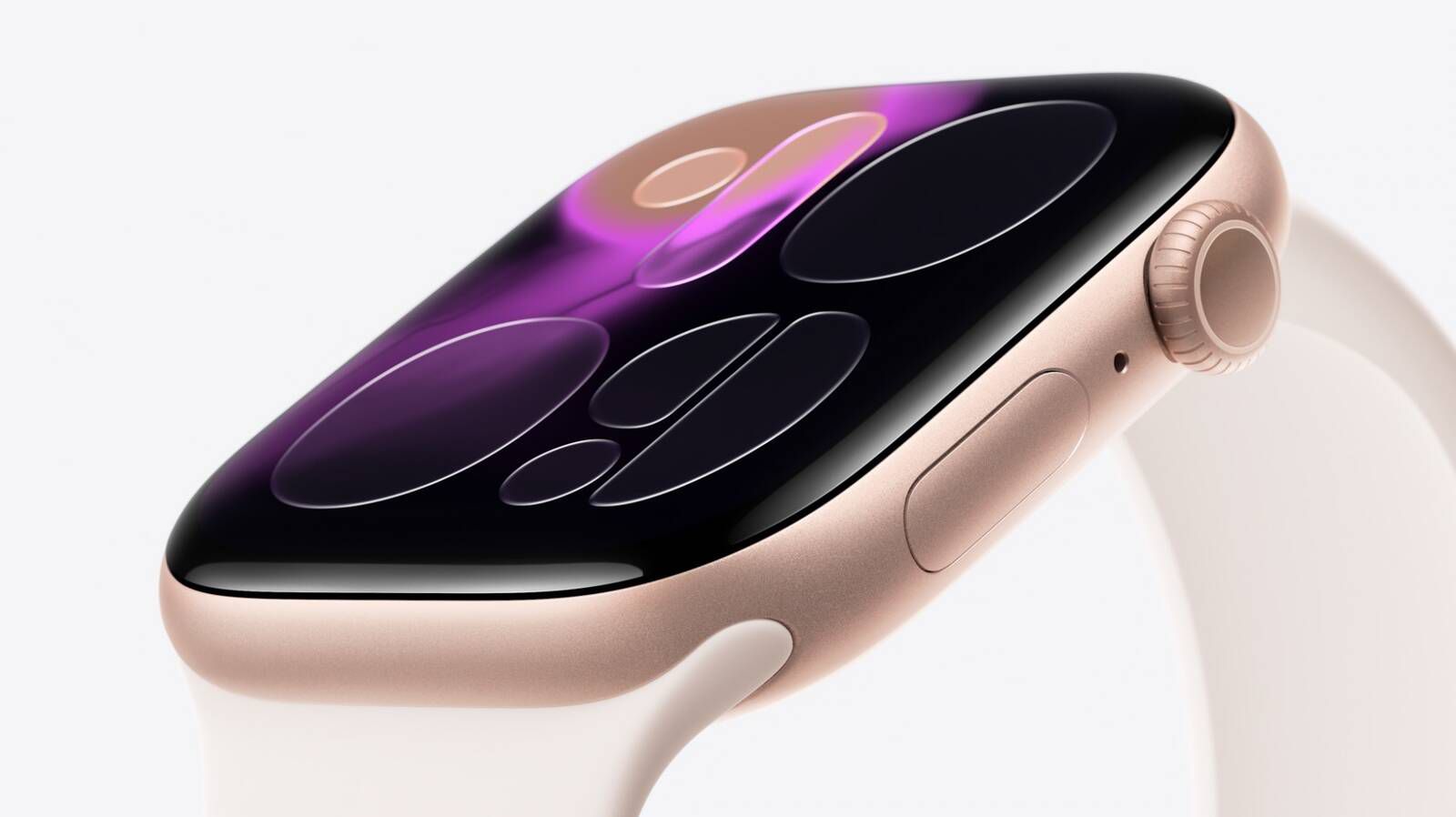
Apple holds 90% market share in Edge AI smartwatches
Why It Matters
Apple's dominance suggests that consumer demand for on-device AI is high, likely pushing competitors to accelerate their own Edge AI hardware development.
What To Do Next
Analyze the Apple Watch's on-device ML capabilities to identify opportunities for building lightweight, privacy-focused health apps.
Key Points
- •Apple holds 90% market share in Edge AI smartwatches
- •Data based on Q1 2026 global shipment tracking report
- •Edge AI integration is becoming a key differentiator in wearables
🧠 Deep Insight
AI-generated analysis for this event — not the original article.
🔑 Enhanced Key Takeaways
- •The surge in Edge AI adoption is primarily driven by the integration of on-device neural processing units (NPUs) that enable real-time health monitoring without cloud latency.
- •Counterpoint Research notes that while Apple leads in volume, the average selling price (ASP) for Edge AI-enabled wearables has increased by 15% year-over-year due to premium hardware requirements.
- •Apple's 'S-series' silicon architecture has been specifically optimized for low-power transformer models, allowing for complex biometric data analysis directly on the wrist.
- •Privacy-centric processing is a major consumer driver, as Edge AI allows health data to be analyzed locally rather than being transmitted to external servers.
- •The market shift toward Edge AI is forcing competitors to accelerate their transition from cloud-dependent voice assistants to local, multimodal AI agents.
📊 Competitor Analysis▸ Show
| Feature | Apple Watch (Series 11/Ultra 3) | Samsung Galaxy Watch (Ultra/7) | Google Pixel Watch (3/4) |
|---|---|---|---|
| AI Architecture | S11 SiP (Dedicated Neural Engine) | Exynos W1000 (NPU-integrated) | Tensor G-Series (Cloud-Hybrid) |
| Primary AI Focus | Local Health/Biometric Inference | Real-time Translation/Health | Cloud-based Gemini Integration |
| Privacy Model | On-device processing (Default) | Hybrid (Cloud/Device) | Cloud-heavy (Gemini) |
| Market Position | Premium/Ecosystem Lock-in | Android/Samsung Ecosystem | Android/Google Services |
🛠️ Technical Deep Dive
- Apple utilizes a custom-designed Neural Engine within the S-series SiP specifically tuned for quantized transformer models.
- The architecture employs a tiered memory system to handle high-bandwidth biometric data streams while maintaining low power consumption.
- On-device machine learning (ODML) frameworks allow for real-time arrhythmia detection and sleep stage analysis without requiring an active internet connection.
- The system leverages hardware-level encryption to secure AI-processed health data within the Secure Enclave.
🔮 Future ImplicationsAI analysis grounded in cited sources
⏳ Timeline
Weekly AI Recap
Read this week's curated digest of top AI events →
👉Related Updates
AI-curated news aggregator. All content rights belong to original publishers.
Original source: cnBeta (Full RSS) ↗
This is a summary, not the original. Read the source, or get the weekly briefing.
The weekly digest
One email a week. Unsubscribe anytime.