SourcecnBeta (Full RSS)•Stalecollected in 17h
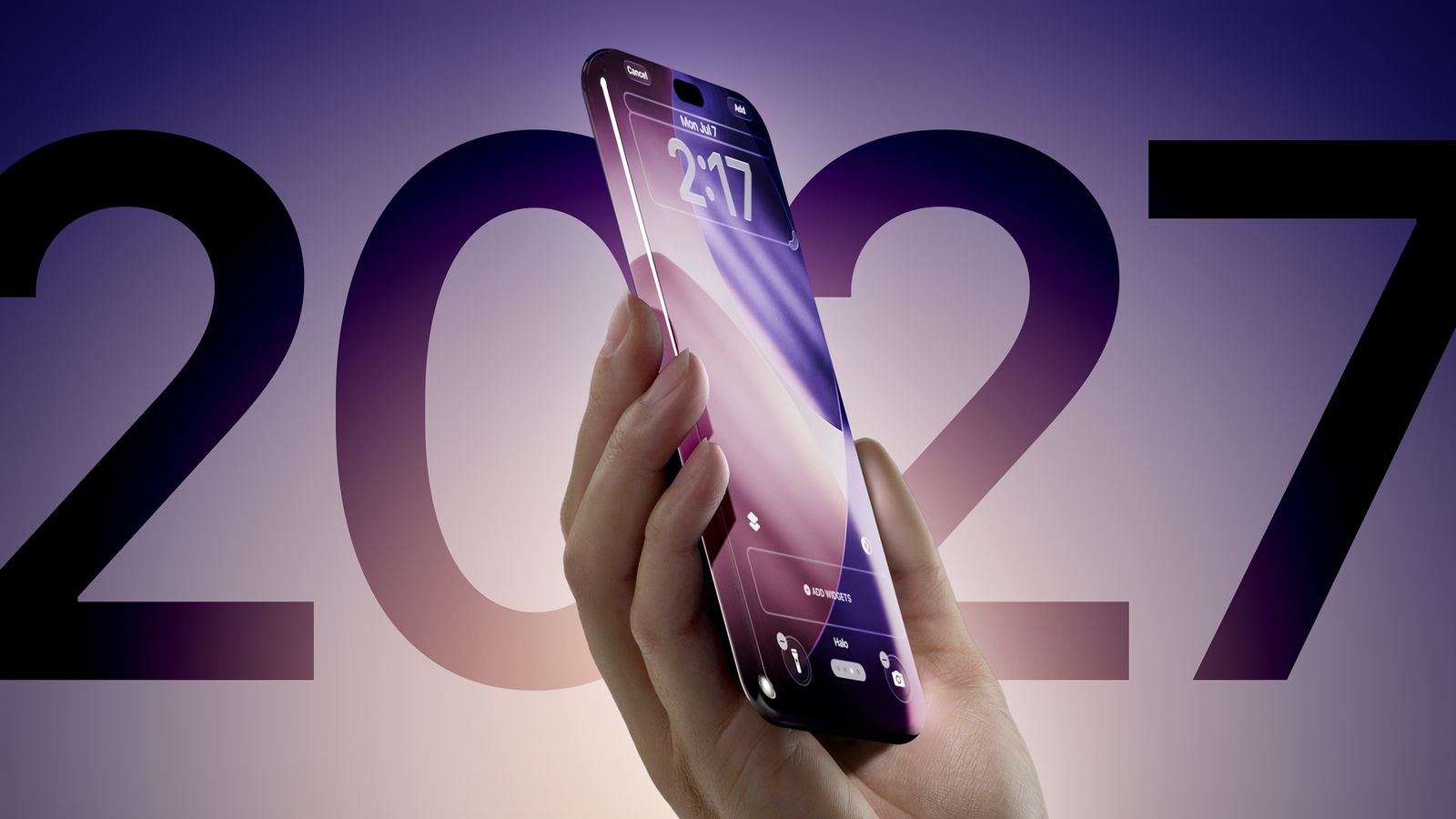
Apple 20th iPhone Eyes Custom Micro-Curved OLED
#display-tech#oled#device-hardware20th-anniversary-iphoneappleiphonesamsung
💡Apple's display upgrade signals hardware evolution for AI-driven mobile ecosystems.
⚡ 30-Second TL;DR
What Changed
Samsung-customized micro-curved OLED panel
Why It Matters
Superior displays may enhance mobile AR/VR and on-device AI visuals, shaping hardware choices for AI apps.
What To Do Next
Benchmark Samsung OLED prototypes against current mobile displays for AI rendering optimization.
Who should care:Enterprise & Security Teams
Key Points
- •Samsung-customized micro-curved OLED panel
- •Improved brightness and thinner profile
- •Debut in 2027 20th anniversary iPhone
- •Enables radical exterior redesign
🧠 Deep Insight
AI-generated analysis for this event — not the original article.
🔑 Enhanced Key Takeaways
- •The 'micro-curved' display technology is expected to utilize a new generation of low-temperature polycrystalline oxide (LTPO) backplane materials to further reduce power consumption while maintaining high peak brightness.
- •Industry reports suggest this panel development is part of a broader 'Project Titan-Display' initiative aimed at achieving a bezel-less 'all-glass' aesthetic by integrating advanced under-display camera and sensor arrays.
- •Samsung Display is reportedly investing in new laser-cutting and lamination equipment specifically to handle the unique stress profiles of the micro-curved glass, which differs significantly from traditional 2.5D or 3D curved glass.
📊 Competitor Analysis▸ Show
| Feature | Apple (2027 iPhone) | Samsung (Galaxy S-Series) | Google (Pixel Pro) |
|---|---|---|---|
| Display Tech | Custom Micro-Curved OLED | Dynamic AMOLED 2X | Super Actua OLED |
| Bezel Profile | Near-zero (All-glass) | Ultra-thin (Symmetric) | Minimal (Curved) |
| Integration | Proprietary Silicon/Display | Exynos/Snapdragon/Display | Tensor/Display |
🛠️ Technical Deep Dive
- Panel Architecture: Likely utilizes a tandem OLED structure to increase longevity and brightness efficiency.
- Curvature Radius: Expected to feature a tighter, more uniform radius across all four edges compared to previous 'quad-curved' attempts.
- Material Science: Implementation of advanced polyimide substrates to allow for the extreme curvature without compromising structural integrity or touch sensitivity.
- Thermal Management: Integration of a thin-film heat spreader directly behind the display layer to manage heat dissipation in the thinner chassis.
🔮 Future ImplicationsAI analysis grounded in cited sources
Apple will transition its entire flagship lineup to micro-curved displays by 2029.
Apple typically reserves radical display innovations for anniversary or premium models before standardizing them across the Pro and base tiers.
The 2027 iPhone will achieve a screen-to-body ratio exceeding 95%.
The combination of micro-curved glass and advanced under-display sensor integration eliminates the need for traditional bezel space.
⏳ Timeline
2007-06
Original iPhone launches with a flat 3.5-inch LCD display.
2014-09
iPhone 6 introduces 2.5D curved glass edges to the iPhone lineup.
2017-11
iPhone X marks the transition to OLED technology and the 'notch' design.
2023-09
iPhone 15 Pro introduces LIPO (Low-Injection Pressure Over-molding) to significantly reduce bezel size.
📰
Weekly AI Recap
Read this week's curated digest of top AI events →
👉Related Updates
AI-curated news aggregator. All content rights belong to original publishers.
Original source: cnBeta (Full RSS) ↗
This is a summary, not the original. Read the source, or get the weekly briefing.
The weekly digest
One email a week. Unsubscribe anytime.