Source钛媒体•Stalecollected in 10m
Anker Bets on Chips and Embodied AI
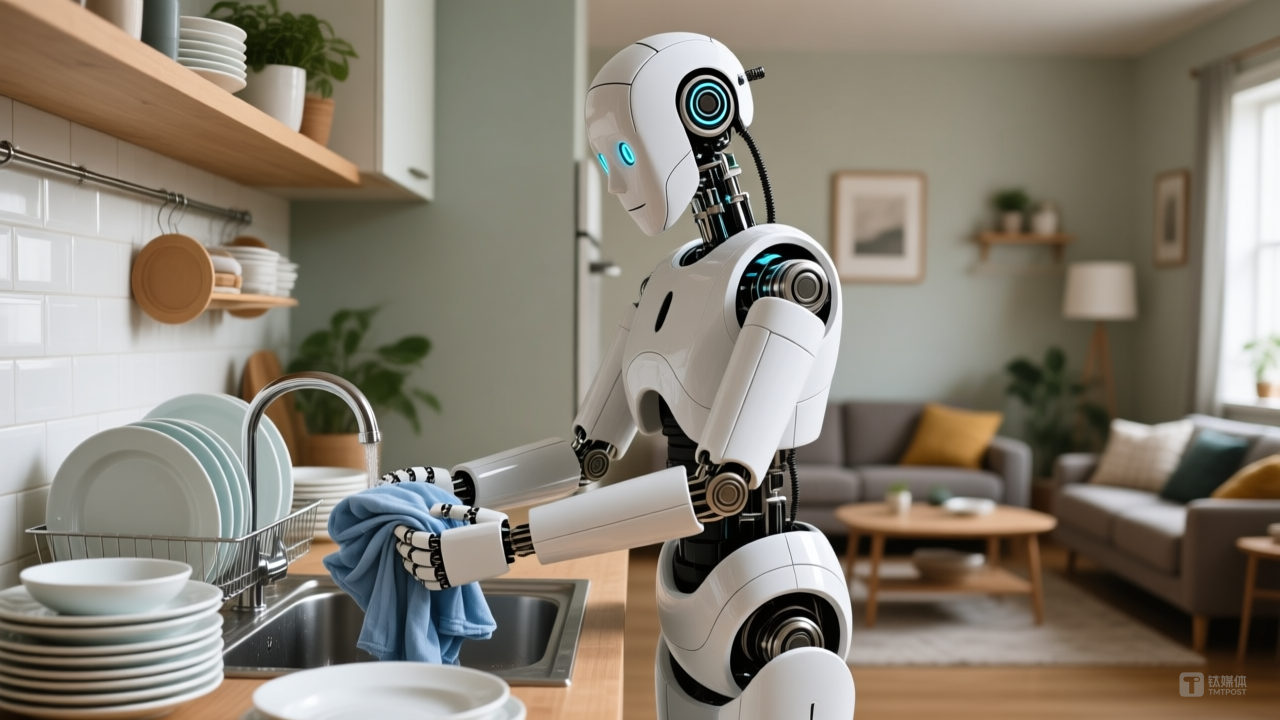
💡Anker's chip+embodied AI pivot eyes consumer robotics disruption
⚡ 30-Second TL;DR
What Changed
Anker launching in-house chip development
Why It Matters
Anker's move could introduce affordable embodied AI devices, pressuring robotics incumbents. Success depends on chip tech execution.
What To Do Next
Explore Anker's upcoming chips for embodied AI robot prototypes.
Who should care:Founders & Product Leaders
Key Points
- •Anker launching in-house chip development
- •Strategic shift from e-commerce to embodied AI hardware
- •Transition challenges from channel-based model
🧠 Deep Insight
AI-generated analysis for this event — not the original article.
🔑 Enhanced Key Takeaways
- •Anker's chip development initiative, internally codenamed 'Project Silicon,' focuses on low-power edge AI processors specifically optimized for battery-operated smart home devices to reduce latency and improve privacy.
- •The company is leveraging its existing 'AnkerWork' and 'Eufy' product lines as the primary testing grounds for integrating embodied AI, aiming to move beyond simple voice commands to autonomous task execution.
- •Anker has established a dedicated R&D center in Shenzhen focused on robotics perception and navigation algorithms, signaling a shift from pure consumer electronics assembly to proprietary software-hardware stack development.
📊 Competitor Analysis▸ Show
| Feature | Anker (Embodied AI) | Dyson (Robotics) | Xiaomi (Smart Home/AI) |
|---|---|---|---|
| Core Focus | Edge AI / Battery Efficiency | High-end Hardware / Vision | Ecosystem Integration / IoT |
| Pricing Strategy | Mid-range / Accessible | Premium / Luxury | Budget / Mass Market |
| AI Maturity | Emerging (Edge-focused) | Advanced (Navigation) | Mature (Cloud-integrated) |
🔮 Future ImplicationsAI analysis grounded in cited sources
Anker will likely face margin compression in the short term due to high R&D expenditure on custom silicon.
Transitioning from a channel-centric model to a deep-tech hardware developer requires significant upfront capital investment that will impact profitability before product-market fit is achieved.
Anker's shift will trigger a consolidation of its fragmented sub-brands under a unified AI operating system.
To achieve 'embodied intelligence' across diverse hardware, the company must standardize its software stack to ensure interoperability between Eufy, Soundcore, and AnkerWork devices.
⏳ Timeline
2011-01
Anker Innovations founded in Changsha, China, initially focusing on power banks.
2016-07
Launch of Eufy brand, marking the company's first major expansion into smart home hardware.
2020-08
Anker Innovations completes its IPO on the Shenzhen Stock Exchange (ChiNext).
2024-11
Anker begins aggressive recruitment for AI and robotics engineering talent in Shenzhen.
2026-02
Internal announcement of the 'Project Silicon' initiative to develop proprietary edge AI chips.
📰
Weekly AI Recap
Read this week's curated digest of top AI events →
👉Related Updates



AI-curated news aggregator. All content rights belong to original publishers.
Original source: 钛媒体 ↗
This is a summary, not the original. Read the source, or get the weekly briefing.
The weekly digest
One email a week. Unsubscribe anytime.