Anduril Targets 1,000 Seattle AI Engineers
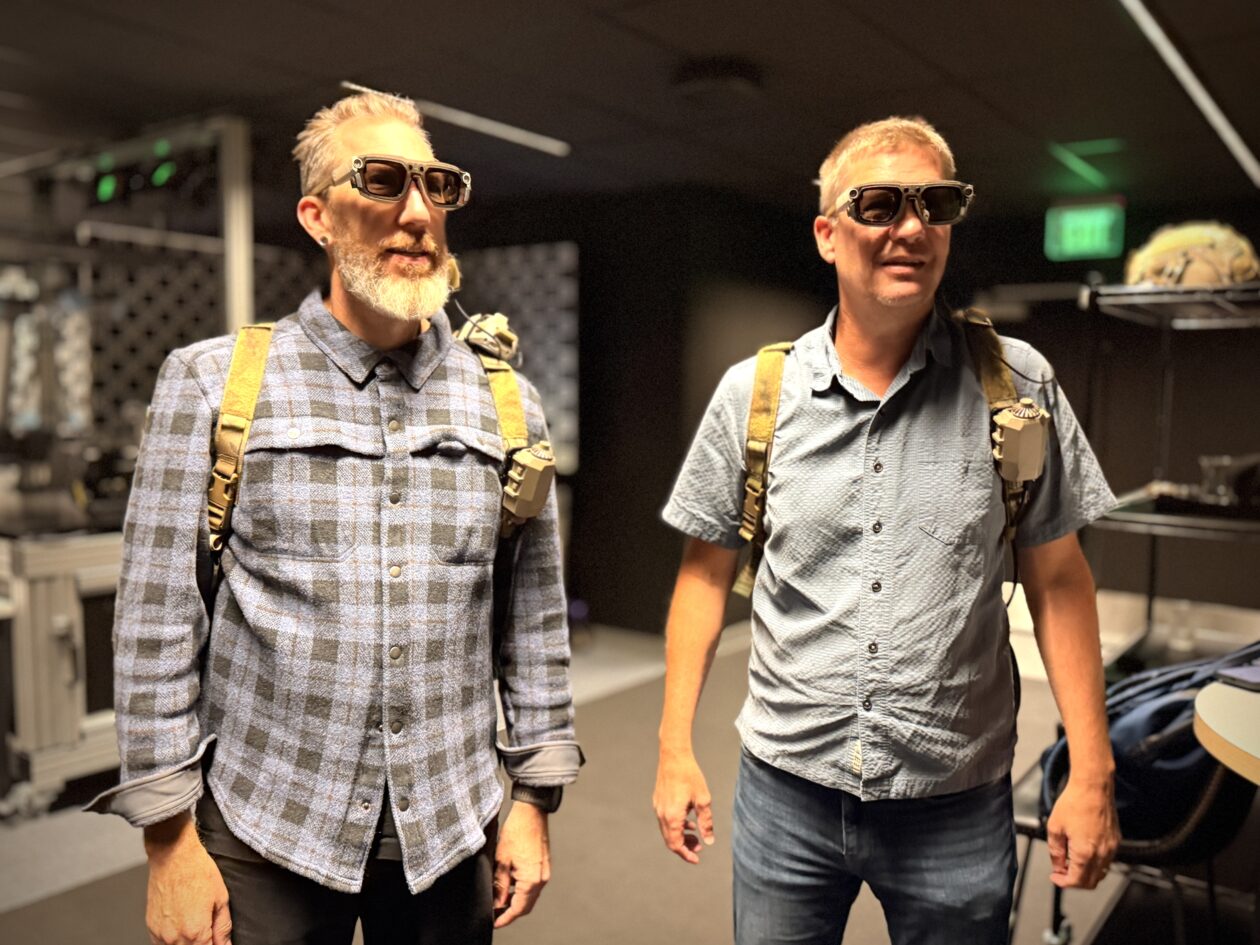
💡See how Anduril is pairing military AI hardware with a major Seattle engineering expansion.
⚡ 30-Second TL;DR
What Changed
Anduril's Seattle-area engineering workforce could grow from 560 to 1,000 people.
Why It Matters
The hiring plan could intensify competition for engineers experienced in computer vision, embedded systems, robotics, and edge AI. It also reinforces defense technology as a growing market for applied AI practitioners.
What To Do Next
Prototype a low-latency computer-vision pipeline on an edge device, measuring inference speed, power use, and performance under limited connectivity.
Key Points
- •Anduril's Seattle-area engineering workforce could grow from 560 to 1,000 people.
- •The Bellevue office is developing augmented reality glasses for military use.
- •The company is also building digital night vision and edge-computing hardware.
- •The expansion signals sustained investment in AI-enabled defense systems and regional talent.
🧠 Deep Insight
Background and context from public sources — not the original article. 9 sources cited.
🔑 Enhanced Key Takeaways
- •Anduril's Seattle engineering efforts are centered on the integration of Lattice OS, an AI-driven operating system that synthesizes multi-source data into a 3D command-and-control interface.
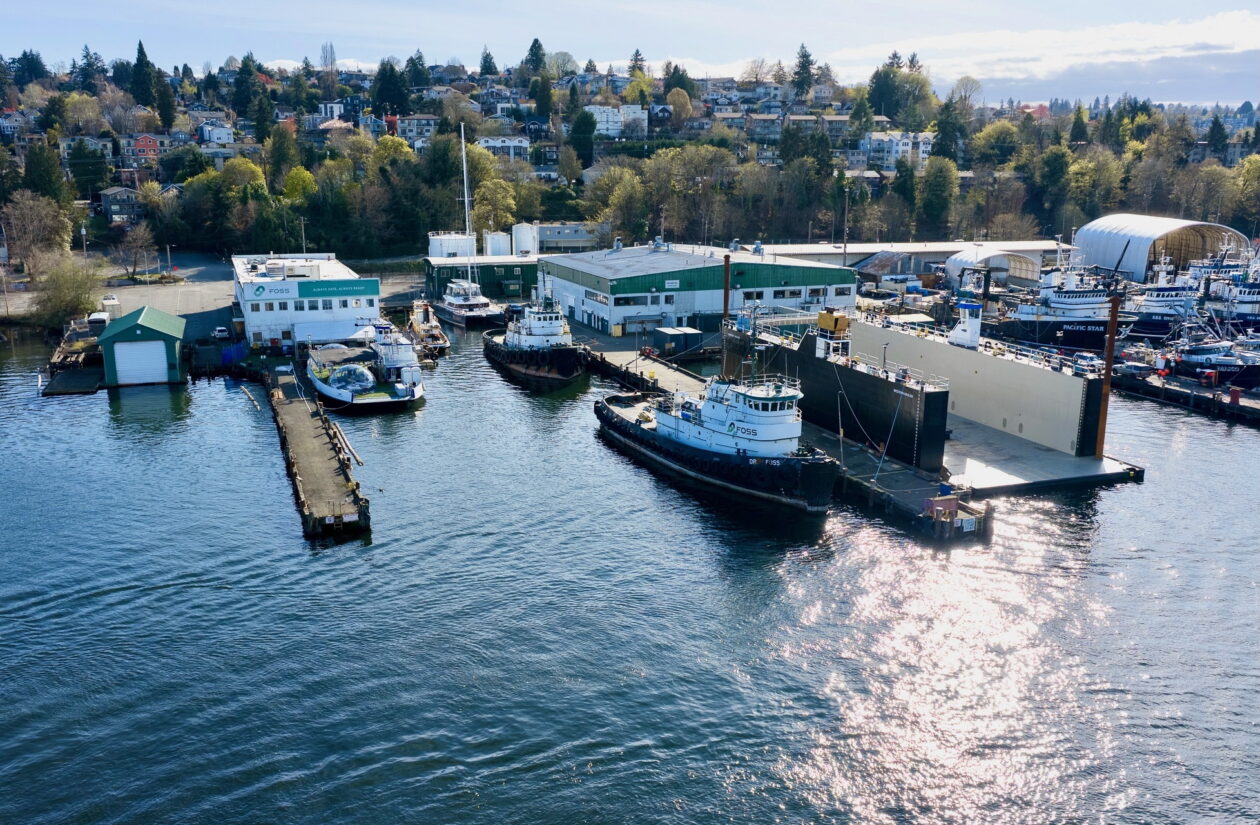
- •The company recently exited its maritime operations at Seattle's historic Foss Shipyard after the U.S. Navy canceled the specific unmanned vessel program previously hosted there.
- •Anduril has assumed control of the U.S. Army’s Soldier Borne Mission Command (SBMC) program, which serves as a primary vehicle for deploying their AR and AI technologies.
- •The firm reached a $61 billion valuation following a $5 billion Series H funding round, positioning it as a direct challenger to legacy defense contractors like Boeing and Lockheed Martin.
- •Local expansion efforts have encountered public resistance, including organized protests at Seattle-area offices by activists opposed to the development of AI-enabled autonomous weaponry.
📊 Competitor Analysis▸ Show
| Feature | Anduril Industries | Lockheed Martin | Boeing |
|---|---|---|---|
| Primary Focus | Software-defined defense/AI | Hardware/Platforms | Aerospace/Platforms |
| Operating System | Lattice OS | Proprietary/Legacy | Proprietary/Legacy |
| Development Cycle | Rapid/Agile | Traditional/Long-lead | Traditional/Long-lead |
| Valuation | ~$61B (Private) | ~$100B+ (Public) | ~$100B+ (Public) |
🛠️ Technical Deep Dive
- Lattice OS: An AI-powered operating system designed to ingest and synthesize thousands of disparate data streams into a unified 3D command-and-control environment.
- Soldier Borne Mission Command (SBMC): An AR-integrated platform designed to provide real-time situational awareness and tactical data overlays for infantry units.
- Edge Computing Hardware: Ruggedized processing units designed to perform high-latency AI inference at the tactical edge, minimizing reliance on centralized cloud infrastructure.
- Digital Night Vision: Sensor-fusion technology that replaces traditional analog intensifier tubes with digital imaging capable of overlaying AI-detected threats and tactical markers.
🔮 Future ImplicationsAI analysis grounded in cited sources
⏳ Timeline
📎 Sources (9)
Factual claims are grounded in the sources below. Forward-looking analysis is AI-generated interpretation.
Weekly AI Recap
Read this week's curated digest of top AI events →
👉Related Updates

AI-curated news aggregator. All content rights belong to original publishers.
Original source: GeekWire ↗
This is a summary, not the original. Read the source, or get the weekly briefing.
Weekly AI briefing
One email a week. Unsubscribe anytime.