Android's Pause Point Fights Phone Addiction
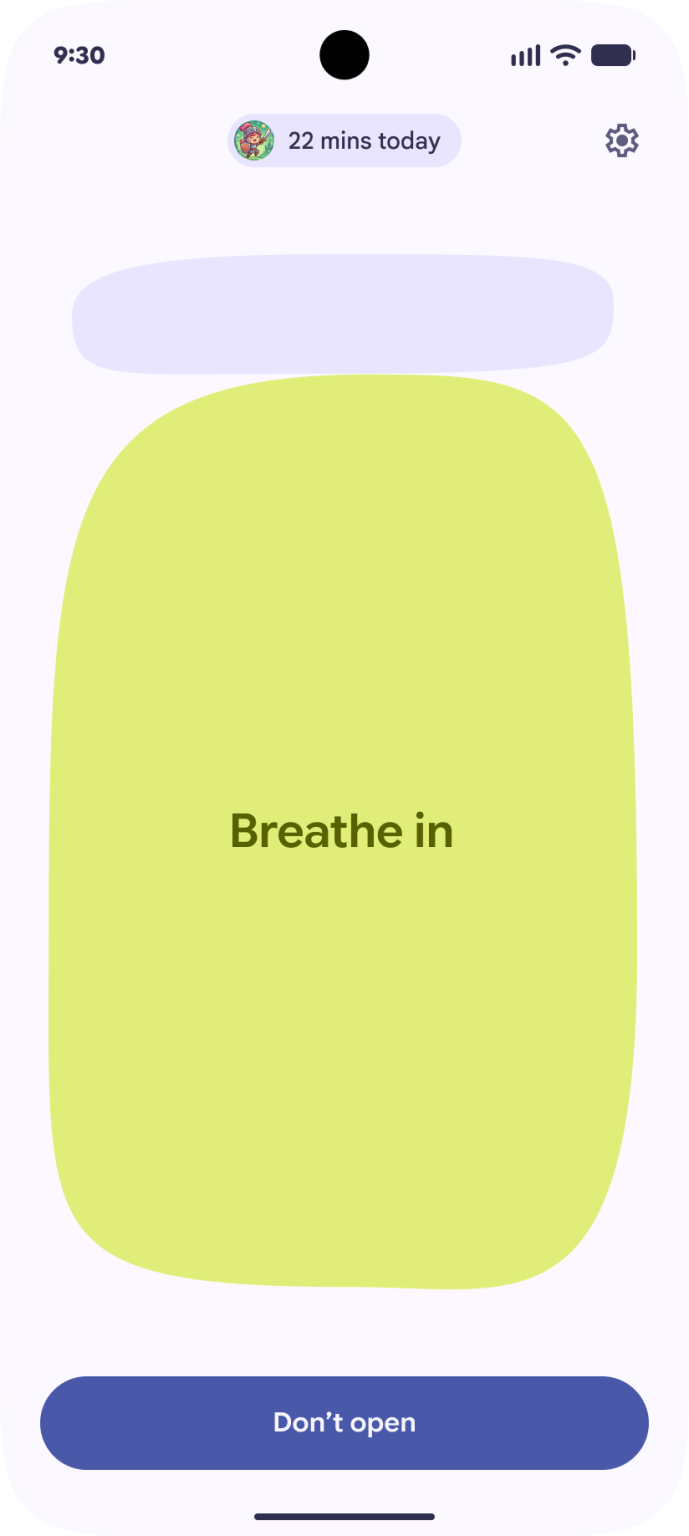
💡Android 17's anti-addiction tool—key for ethical AI apps monitoring user engagement
⚡ 30-Second TL;DR
What Changed
'Pause Point' combats unconscious social media scrolling
Why It Matters
Promotes healthier digital habits, influencing app design for ethical engagement. May set standards for wellbeing integrations in AI-driven apps.
What To Do Next
Check Android 17 developer preview for Pause Point APIs to build addiction-aware AI features.
Key Points
- •'Pause Point' combats unconscious social media scrolling
- •Designed to curb phone addiction behaviors
- •Debuts with Android 17 on Pixel, Samsung, and more
🧠 Deep Insight
AI-generated analysis for this event — not the original article.
🔑 Enhanced Key Takeaways
- •Pause Point utilizes on-device machine learning models to analyze screen time patterns and app-specific engagement metrics without sending user data to the cloud.
- •The feature integrates with Android's existing Digital Wellbeing framework, allowing users to set custom 'friction thresholds' that trigger the pause prompt based on specific app categories.
- •Google is collaborating with third-party app developers to implement an API that allows apps to gracefully handle the 'Pause Point' interruption, preventing data loss or state corruption during the forced break.
📊 Competitor Analysis▸ Show
| Feature | Google Android 17 (Pause Point) | Apple iOS (Screen Time) | Samsung One UI (Focus Mode) |
|---|---|---|---|
| Mechanism | Context-aware AI interruption | Hard time limits/App limits | Manual scheduling/Blocking |
| Pricing | Included in OS | Included in OS | Included in OS |
| Benchmarks | Behavioral nudging efficacy | Strict enforcement | Manual control |
| Availability | Android 17+ | iOS 12+ | One UI 2.0+ |
🛠️ Technical Deep Dive
- •Uses the Android 'On-Device Intelligence' (ODI) framework to process user interaction patterns locally.
- •Implements a lightweight neural network that monitors touch event frequency and scroll velocity to detect 'mindless' behavior.
- •The API (PausePointManager) allows developers to register 'safe-to-pause' states, ensuring the UI interruption occurs only during non-critical user activities.
- •Leverages the Android SystemUI layer to overlay the pause prompt, ensuring it cannot be bypassed by standard app-level navigation.
🔮 Future ImplicationsAI analysis grounded in cited sources
⏳ Timeline
Weekly AI Recap
Read this week's curated digest of top AI events →
👉Related Updates



AI-curated news aggregator. All content rights belong to original publishers.
Original source: cnBeta (Full RSS) ↗
This is a summary, not the original. Read the source, or get the weekly briefing.
Weekly AI briefing
One email a week. Unsubscribe anytime.