Ancient microbes from Ötzi the Iceman remain viable
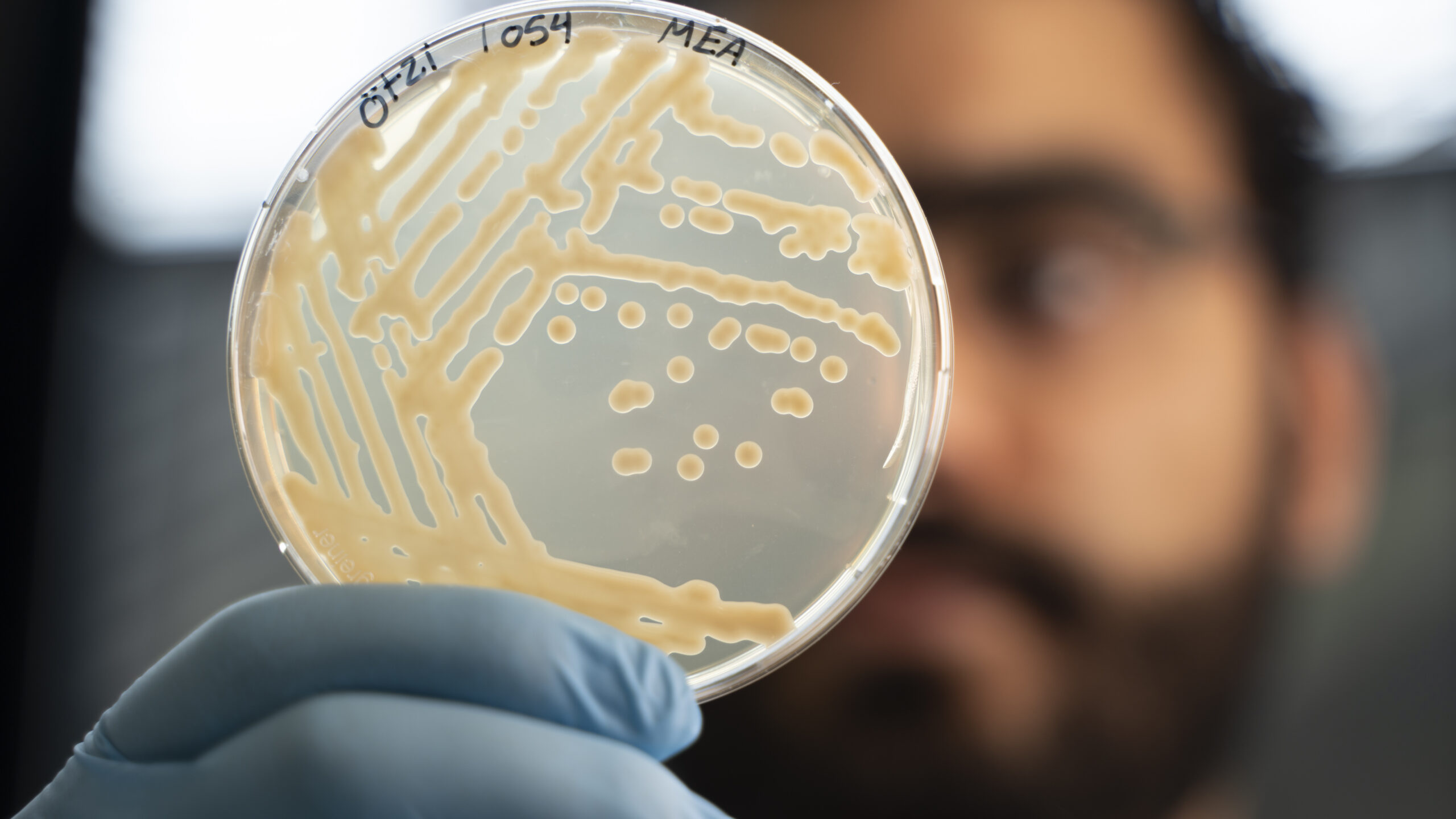
💡Understanding microbial resilience in extreme cold offers new insights for bio-based long-term data storage.
⚡ 30-Second TL;DR
What Changed
Ancient microbial communities were found preserved in the ice with Ötzi.
Why It Matters
This research informs synthetic biology and data storage techniques that utilize biological substrates for long-term information preservation.
What To Do Next
Review current literature on biological data storage to understand how microbial resilience can improve the durability of DNA-based storage systems.
Key Points
- •Ancient microbial communities were found preserved in the ice with Ötzi.
- •Laboratory analysis confirmed these microbes are still capable of active growth.
- •The findings challenge previous assumptions about the long-term viability of ancient biological samples.
🧠 Deep Insight
Background and context from public sources — not the original article. 9 sources cited.
🔑 Enhanced Key Takeaways
- •The recent study successfully identified and cultured four viable species of cold-adapted yeasts (Phenoliferia, Glaciozyma, Goffeauzyma, and Mrakia) that are believed to have originated from Ötzi's glacial environment and persisted with him for over 5,000 years.
- •Researchers discovered that some of these ancient yeasts have adapted to modern preservation conditions, developing the genetic capacity to break down phenol, a chemical previously used to disinfect the mummy's surface.
- •The investigation differentiated between microorganisms that were part of Ötzi's living microbiome, those that colonized his body while in the glacier, and those introduced during the three decades of his artificial preservation in the museum.
- •Genetic analysis also revealed traces of Ötzi's original gut microbiome, which closely resembles those found in early human populations and is rarely observed in individuals from modern industrialized societies, offering a unique historical microbial snapshot.
🛠️ Technical Deep Dive
- Sampling Methodology: Researchers collected a diverse array of samples, including swabs from Ötzi's body, skin and tissue fragments, meltwater from both inside and outside the mummy, and even soil samples from the original discovery site (collected in 1991). Samples taken in 2010 and 2019 were compared to track microbial changes over time.
- Thawing and Collection Conditions: For specific sampling, Ötzi's remains were carefully thawed to 4° Celsius for a period of five hours to facilitate the collection of runoff and direct body samples.
- Analytical Techniques: The study employed a combination of advanced techniques, including metagenomics for comprehensive genetic sequencing, isolation by culture to grow viable microorganisms, and detection of DNA damage patterns to differentiate between ancient and modern microbial DNA.
- Cold-Adapted Culturing: To successfully cultivate the psychrophilic (cold-loving) yeasts, researchers had to incubate samples in refrigerated conditions, leading to the commissioning of a specially adapted device capable of maintaining the necessary low temperatures for growth.
- Microbial Differentiation: The study's methodology allowed for the distinction between microorganisms that were part of Ötzi's original living microbiome, those that colonized him post-mortem in the glacial environment, and those introduced during his subsequent museum preservation.
🔮 Future ImplicationsAI analysis grounded in cited sources
⏳ Timeline
📎 Sources (9)
Factual claims are grounded in the sources below. Forward-looking analysis is AI-generated interpretation.
Weekly AI Recap
Read this week's curated digest of top AI events →
👉Related Updates
AI-curated news aggregator. All content rights belong to original publishers.
Original source: Ars Technica ↗
This is a summary, not the original. Read the source, or get the weekly briefing.
The weekly digest
One email a week. Unsubscribe anytime.