Analysts identify future Chinese leaders in global drug markets
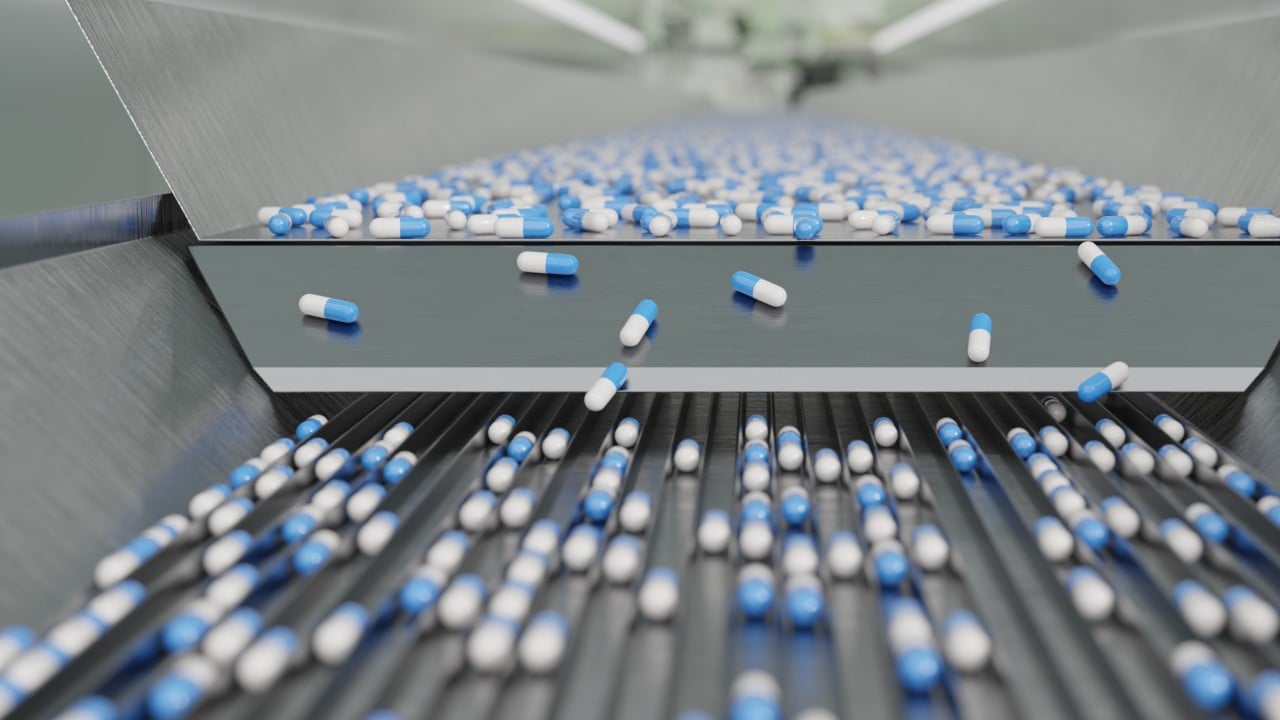
💡Understand the shift in Chinese biotech R&D that will drive massive demand for AI-powered drug discovery tools.
⚡ 30-Second TL;DR
What Changed
Chinese biotech firms are moving beyond simple outlicensing agreements.
Why It Matters
This transition signals a massive increase in demand for AI-driven drug discovery platforms to accelerate the R&D pipeline required for global regulatory approval.
What To Do Next
Evaluate AI-powered drug discovery platforms like AlphaFold or similar protein folding tools to identify potential R&D efficiency gaps in the biotech pipeline.
Key Points
- •Chinese biotech firms are moving beyond simple outlicensing agreements.
- •Analysts expect branded drug sales in Europe and the US within 10-15 years.
- •The industry is shifting toward independent international commercialization strategies.
🧠 Deep Insight
Background and context from public sources — not the original article. 19 sources cited.
🔑 Enhanced Key Takeaways
- •The 2016 National Reimbursement Drug List (NRDL) reform was a pivotal driver, significantly expanding China's domestic market for innovative drugs by trading price cuts for near-universal insurance coverage, thereby boosting R&D investment and clinical trial activity.
- •China has surpassed the United States in annual registered clinical trial volume by 2020, reaching over 5,000 trials per year by 2024, largely due to a streamlined regulatory approval process and dense patient populations.
- •The value of Chinese out-licensing deals surged to a record $137.7 billion in 2025, driven in part by Western pharmaceutical companies seeking to replenish their pipelines due to impending patent cliffs and a need for new drug candidates.
- •Chinese biotech firms are increasingly focusing on high-value therapeutic areas such as oncology (including antibody-drug conjugates and PD-(L)1/VEGF programs), immunology, and advanced modalities like cell and gene therapies, demonstrating a shift towards first-in-class innovation.
- •Government initiatives, including 'Made in China 2025' and the establishment of over 100 national-level biotechnology parks, have provided substantial infrastructure, talent pools, and financial support, accelerating the industry's transition from generic manufacturing to novel drug discovery.
🔮 Future ImplicationsAI analysis grounded in cited sources
⏳ Timeline
📎 Sources (19)
Factual claims are grounded in the sources below. Forward-looking analysis is AI-generated interpretation.
Weekly AI Recap
Read this week's curated digest of top AI events →
👉Related Updates
AI-curated news aggregator. All content rights belong to original publishers.
Original source: SCMP Technology ↗
This is a summary, not the original. Read the source, or get the weekly briefing.
The weekly digest
One email a week. Unsubscribe anytime.