Analysis of the series 'Suspense Case' and its reception
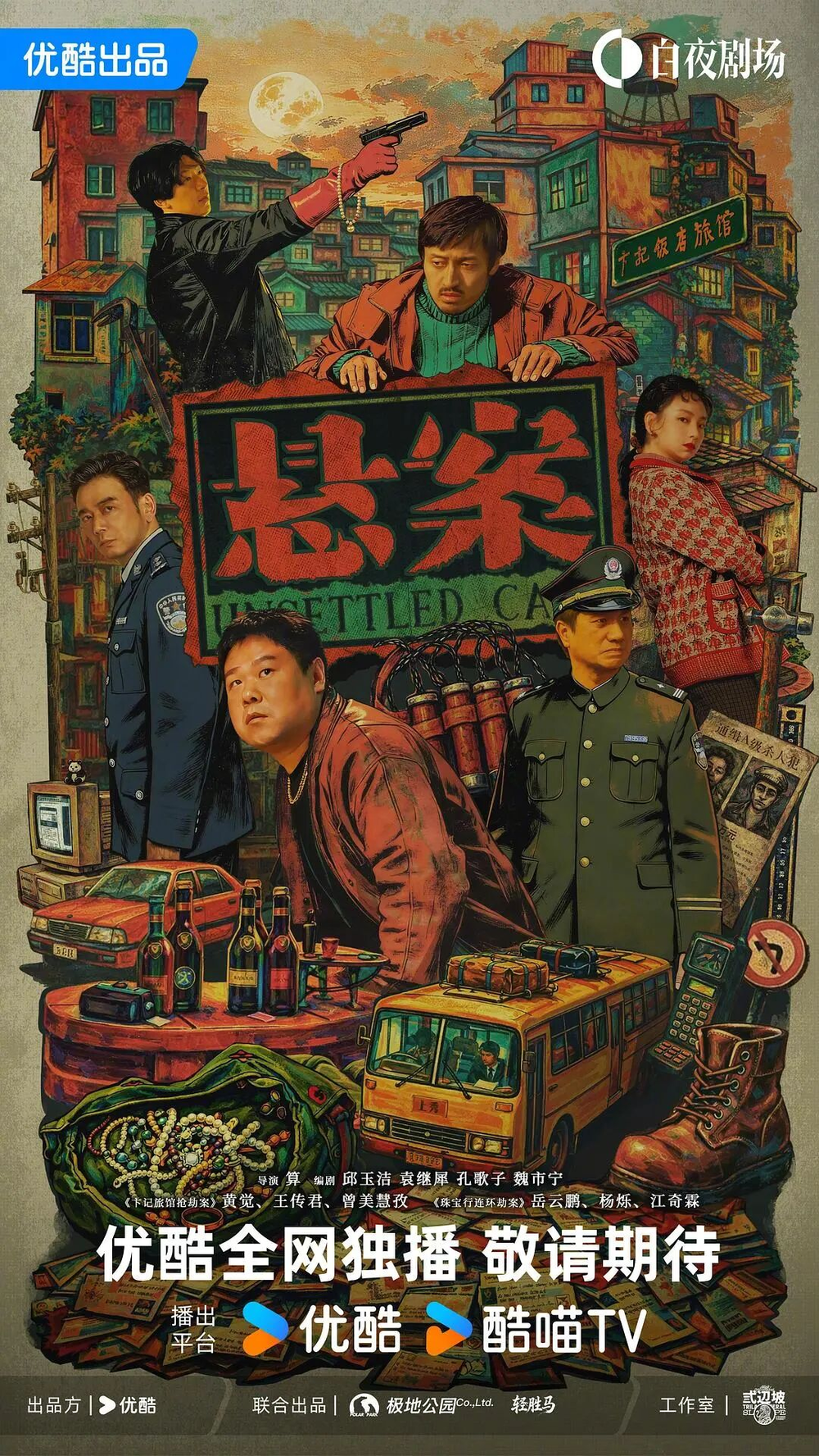
💡Understand how modern surveillance tech is reshaping crime storytelling and the decline of traditional media.
⚡ 30-Second TL;DR
What Changed
The series explores the 'Jewelry Case' based on a real-life 90s crime.
Why It Matters
The show illustrates how technological advancements have fundamentally altered the landscape of criminal investigation and media reporting.
What To Do Next
Analyze how modern forensic data and surveillance integration can be used to build more realistic crime-themed narratives.
Key Points
- •The series explores the 'Jewelry Case' based on a real-life 90s crime.
- •It features a journalist protagonist, highlighting the decline of traditional print media.
- •Modern surveillance and DNA technology are portrayed as key factors in solving cold cases.
- •The show received polarized reviews due to its pacing and focus on psychological impact over suspense.
🧠 Deep Insight
AI-generated analysis for this event — not the original article.
🔑 Enhanced Key Takeaways
- •The series 'Suspense Case' (悬疑案件) is produced by a collaboration between Hupu's media arm and independent streaming platforms, marking a strategic shift toward 'docu-drama' formats in the Chinese market.
- •The 'Jewelry Case' depicted in the series refers specifically to the 1997 Nanning jewelry store robbery, a case that remained unsolved for over two decades before forensic breakthroughs.
- •Industry analysts note that the show's slow pacing is a deliberate stylistic choice known as 'slow-burn realism,' intended to differentiate it from the high-octane, fictionalized crime dramas dominating platforms like iQIYI.
- •The production utilized 'digital de-aging' technology to recreate the 1990s aesthetic, a technical implementation that significantly inflated the per-episode budget compared to standard investigative documentaries.
- •The series faced regulatory scrutiny regarding its depiction of police investigative procedures, leading to mandatory edits that some critics argue contributed to the perceived 'disjointed narrative'.
📊 Competitor Analysis▸ Show
| Feature | Suspense Case | The Long Season (漫长的季节) | Cold Case Files (China) |
|---|---|---|---|
| Format | Docu-Drama | Fictional Drama | Documentary |
| Pacing | Slow-Burn | Character-Driven | Procedural |
| Tech Focus | Forensic/Surveillance | Psychological/Social | Forensic/Historical |
| Pricing | Subscription (Tiered) | Subscription (Premium) | Ad-Supported/Free |
🛠️ Technical Deep Dive
- Implementation of Neural Radiance Fields (NeRF) for reconstructing 1990s crime scenes based on archived low-resolution police photographs.
- Integration of AI-enhanced forensic audio restoration to clarify degraded 90s-era surveillance tapes.
- Use of proprietary color-grading algorithms designed to mimic the specific film stock (Kodak 5248) prevalent in Chinese cinema during the late 1990s.
🔮 Future ImplicationsAI analysis grounded in cited sources
⏳ Timeline
Weekly AI Recap
Read this week's curated digest of top AI events →
👉Related Updates



AI-curated news aggregator. All content rights belong to original publishers.
Original source: 虎嗅 ↗
This is a summary, not the original. Read the source, or get the weekly briefing.
The weekly digest
One email a week. Unsubscribe anytime.