America's Rust Belt Industrial Collapse
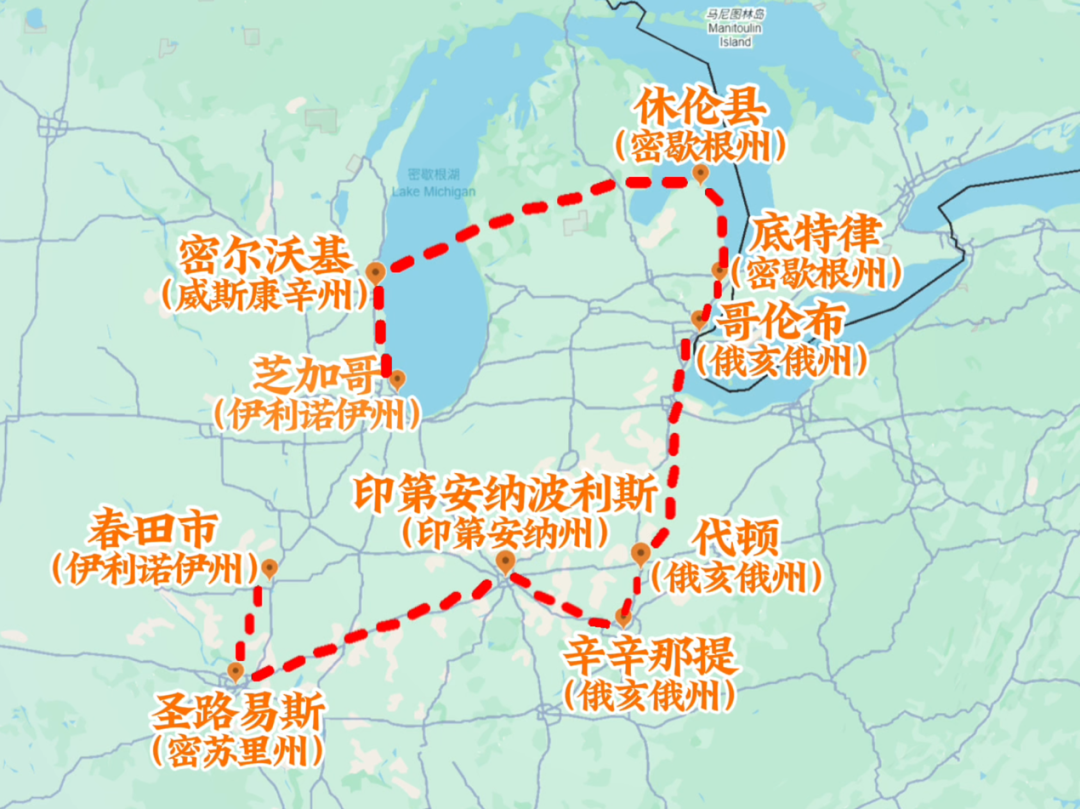
💡Historical automation lessons for AI robotics job impacts and strategy
⚡ 30-Second TL;DR
What Changed
Rust Belt contributed 45% of US jobs in 1969 despite 25% population
Why It Matters
Demonstrates automation's role in job displacement, relevant for AI-driven manufacturing shifts potentially exacerbating inequality.
What To Do Next
Analyze BLS datasets to model AI automation impact on your robotics deployment costs.
Key Points
- •Rust Belt contributed 45% of US jobs in 1969 despite 25% population
- •Automation reduced car assembly from 20 hours (80% manual) to 8 hours (80% automated)
- •Manufacturing employment fell from 19.6M in 1979 to 12.8M in 2019 per BLS
🧠 Deep Insight
AI-generated analysis for this event — not the original article.
🔑 Enhanced Key Takeaways
- •The 'Rust Belt' decline was significantly accelerated by the 1973 oil crisis and the subsequent rise of Japanese automotive manufacturing, which introduced more fuel-efficient vehicles that domestic manufacturers struggled to match.
- •The transition from a manufacturing-based economy to a service-oriented one in the Rust Belt has led to a persistent 'brain drain,' where college-educated youth migrate to coastal tech hubs, further depressing local tax bases and public infrastructure investment.
- •Recent federal initiatives, such as the CHIPS and Science Act and the Inflation Reduction Act, are explicitly targeting former Rust Belt industrial sites for 're-shoring' efforts, specifically focusing on battery manufacturing and semiconductor fabrication to revitalize the region.
🔮 Future ImplicationsAI analysis grounded in cited sources
⏳ Timeline
Weekly AI Recap
Read this week's curated digest of top AI events →
👉Related Updates



AI-curated news aggregator. All content rights belong to original publishers.
Original source: 虎嗅 ↗
This is a summary, not the original. Read the source, or get the weekly briefing.
The weekly digest
One email a week. Unsubscribe anytime.