Amazon’s Anti-Scraping System Blocks Real Shoppers
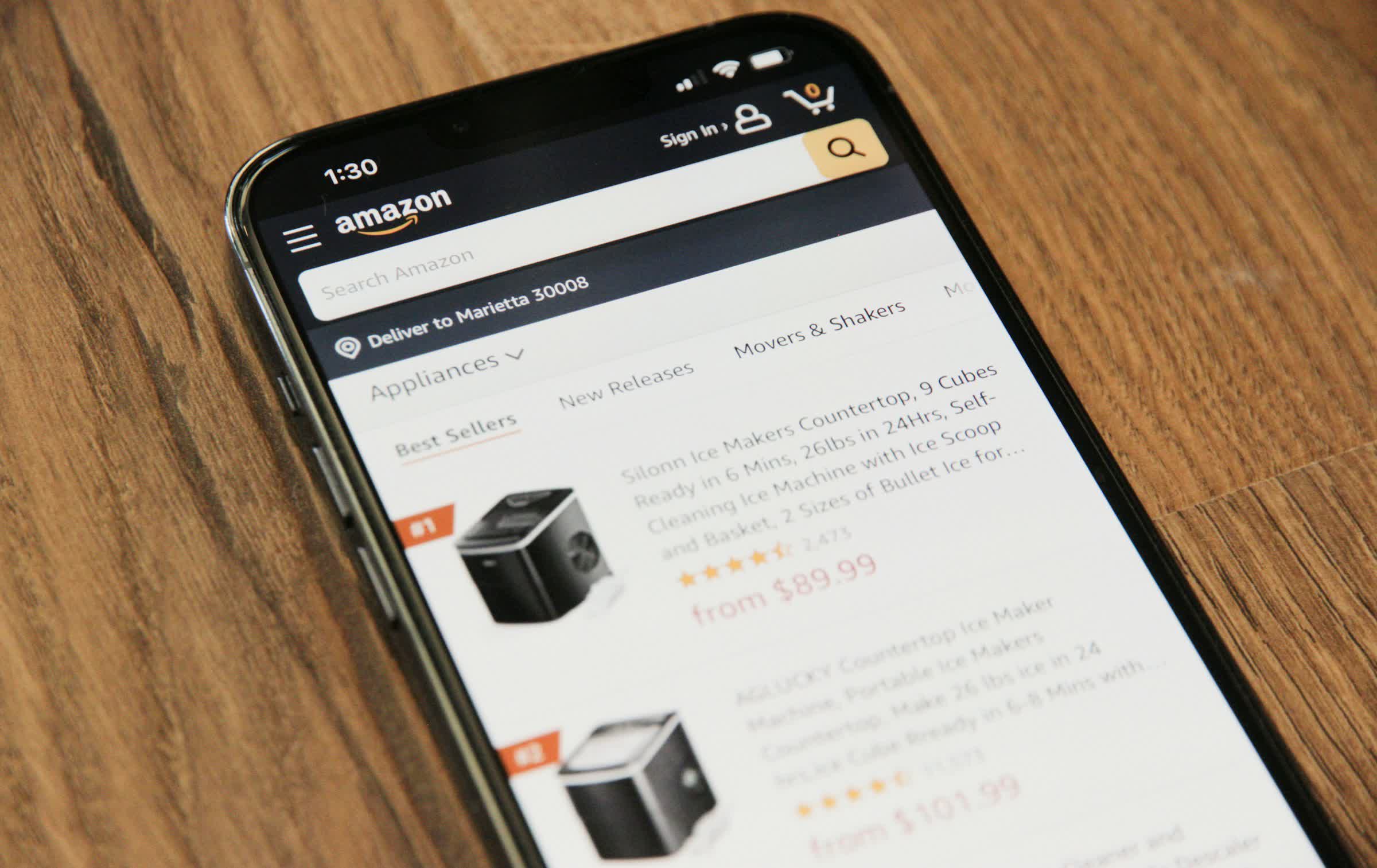
Amazon’s bot defenses show how easily AI data pipelines can lose access to real-world web data.
30-Second TL;DR
What Changed
Legitimate Amazon shoppers are being flagged as suspected AI crawlers.
Why It Matters
The incident highlights the operational risk of aggressive bot detection for AI systems and data tools that access public-facing web pages. Developers relying on review data should expect access interruptions and avoid designs that depend on unrestricted Amazon browsing.
What To Do Next
Audit any Amazon review-data pipeline for graceful failures and add a compliant fallback source instead of retrying blocked requests.
Key Points
- •Legitimate Amazon shoppers are being flagged as suspected AI crawlers.
- •Restricted users can view only eight reviews for each product.
- •Review sorting and filtering features are removed during the restriction.
- •Restoring full access requires an appeal and an email review that may take up to five business days.
Deep Insight
AI-generated analysis for this event — not the original article.
Enhanced Key Takeaways
- •The aggressive anti-scraping measures are part of Amazon's broader 'Project Zero' and 'Brand Protection' initiatives designed to combat unauthorized data harvesting by AI training firms and price-comparison bots.
- •Users flagged by the system often report encountering 'CAPTCHA loops' or 'Access Denied' errors even when using standard, non-VPN residential IP addresses.
- •The restriction mechanism appears to be triggered by behavioral analysis algorithms that monitor request frequency, mouse movement patterns, and browser fingerprinting rather than just IP reputation.
- •Amazon has increasingly integrated third-party bot mitigation services, such as those from Akamai or Cloudflare, to augment their proprietary detection systems.
- •Legal experts suggest that these restrictive measures may conflict with certain consumer protection laws in the EU and California regarding the right to access public-facing commercial information.
Competitor Analysis
- Amazon (Anti-Scraping)
- Behavioral/Fingerprinting
- Walmart (Bot Defense)
- IP/Header Analysis
- eBay (Security)
- Rate Limiting/CAPTCHA
- Amazon (Anti-Scraping)
- High (Feature Restriction)
- Walmart (Bot Defense)
- Moderate (CAPTCHA)
- eBay (Security)
- Low (Temporary Block)
- Amazon (Anti-Scraping)
- 5-Day Manual Review
- Walmart (Bot Defense)
- Automated/None
- eBay (Security)
- Automated
- Amazon (Anti-Scraping)
- Aggressive
- Walmart (Bot Defense)
- Moderate
- eBay (Security)
- Moderate
| Feature | Amazon (Anti-Scraping) | Walmart (Bot Defense) | eBay (Security) |
|---|---|---|---|
| Detection Method | Behavioral/Fingerprinting | IP/Header Analysis | Rate Limiting/CAPTCHA |
| User Impact | High (Feature Restriction) | Moderate (CAPTCHA) | Low (Temporary Block) |
| Appeal Process | 5-Day Manual Review | Automated/None | Automated |
| AI Training Block | Aggressive | Moderate | Moderate |
Technical Deep Dive
- Implementation utilizes TLS fingerprinting to identify non-standard browser clients or automated headless browsers like Puppeteer and Playwright.
- The system employs JavaScript-based challenges that execute in the background to verify human interaction without explicit user intervention.
- Behavioral telemetry tracks mouse jitter, click velocity, and scroll patterns to differentiate between human users and scripted automation.
- Integration of HTTP/2 and HTTP/3 header analysis to detect inconsistencies between the claimed browser agent and the actual network stack.
- Dynamic rate limiting is applied at the edge, shifting from standard blocking to 'feature degradation' (e.g., hiding reviews) to reduce server load from suspected scrapers.
Future ImplicationsAI analysis grounded in cited sources
Timeline
- 2023-05Amazon expands its automated bot detection systems to combat rising AI crawler traffic.
- 2024-02Reports emerge of increased CAPTCHA frequency for users on residential VPNs.
- 2025-09Amazon updates its Terms of Service to explicitly prohibit unauthorized AI training data collection.
- 2026-06Widespread user complaints surface regarding the 'eight review' limitation for flagged accounts.
Weekly AI Recap
Read this week's curated digest of top AI events →
Related Updates


AI-curated news aggregator. All content rights belong to original publishers.
Original source: cnBeta (Full RSS) ↗
This is a summary, not the original. Read the source, or get the weekly briefing.
The weekly digest
One email a week. Unsubscribe anytime.