Amazon Targets Globalstar Buy vs Starlink
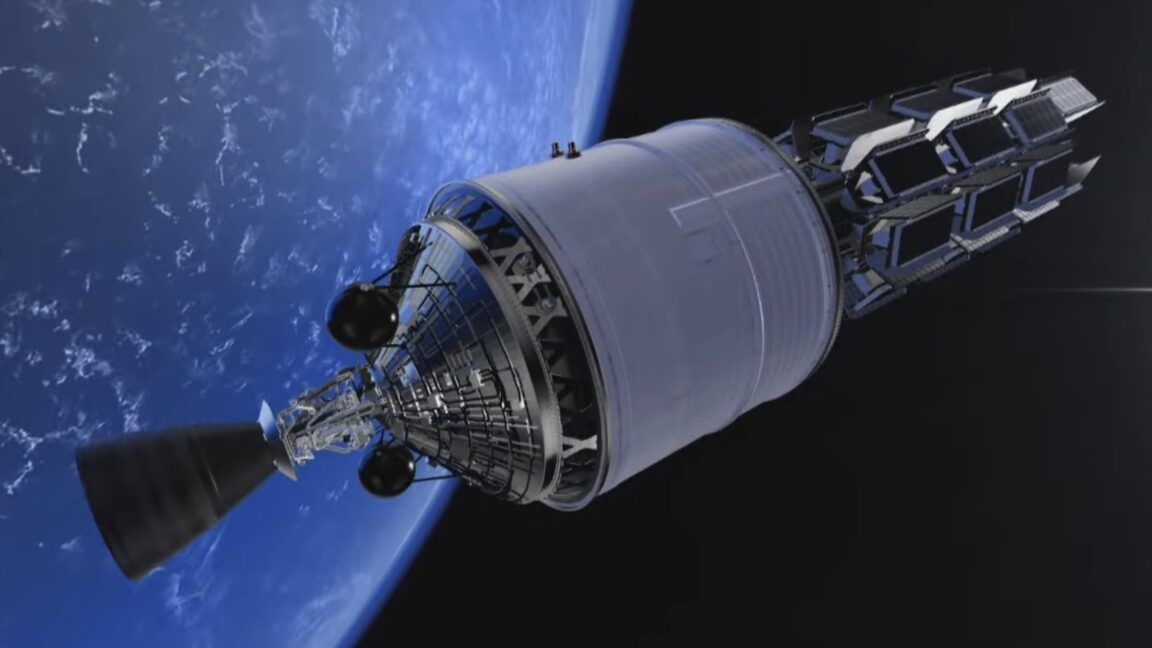
💡Amazon's LEO play vs Starlink eyes bandwidth for AI edge computing infra
⚡ 30-Second TL;DR
What Changed
Amazon pursuing Globalstar acquisition
Why It Matters
Acquisition could accelerate Amazon's Kuiper project, boosting global low-latency connectivity vital for AI data centers and distributed inference. Intensifies satcom rivalry, potentially lowering costs for AI infrastructure.
What To Do Next
Monitor AWS blog for Project Kuiper updates on AI-optimized satellite connectivity.
Key Points
- •Amazon pursuing Globalstar acquisition
- •To compete in low-Earth orbit internet
- •Rivals SpaceX's Starlink service
- •Expands Amazon's satellite ambitions
🧠 Deep Insight
AI-generated analysis for this event — not the original article.
🔑 Enhanced Key Takeaways
- •The acquisition strategy reportedly hinges on integrating Globalstar’s existing S-band spectrum assets, which are critical for mobile satellite services, to accelerate Amazon's Kuiper deployment timeline.
- •Regulatory filings indicate that Amazon is seeking to bypass traditional ground-station bottlenecks by leveraging Globalstar's established terrestrial infrastructure and existing regulatory licenses in multiple international jurisdictions.
- •Industry analysts suggest the move is a defensive play to secure orbital slots and spectrum rights before the FCC imposes stricter 'use-it-or-lose-it' deadlines on non-geostationary orbit (NGSO) constellations.
📊 Competitor Analysis▸ Show
| Feature | Amazon/Globalstar (Proposed) | SpaceX Starlink | Eutelsat OneWeb |
|---|---|---|---|
| Orbit | LEO | LEO | LEO |
| Primary Market | Enterprise/Mobile/Consumer | Consumer/Gov/Maritime | Enterprise/Gov/Backhaul |
| Spectrum | Ka/Ku/S-band | Ku/Ka/E-band | Ku/Ka-band |
| Launch Vehicle | Kuiper/Third-party | Falcon 9/Starship | Third-party |
🛠️ Technical Deep Dive
- •Globalstar utilizes a constellation of second-generation satellites operating in the S-band (2.4 GHz) for mobile connectivity, which complements Kuiper's high-throughput Ka-band architecture.
- •Integration would likely involve a hybrid terminal design capable of multi-band switching, allowing seamless handoffs between Kuiper's high-capacity data links and Globalstar's low-latency narrowband signaling.
- •The acquisition would grant Amazon access to Globalstar's proprietary 'Terrestrial Low Power Service' (TLPS) technology, potentially enabling direct-to-device (D2D) capabilities without requiring specialized hardware modifications.
🔮 Future ImplicationsAI analysis grounded in cited sources
⏳ Timeline
Weekly AI Recap
Read this week's curated digest of top AI events →
👉Related Updates
AI-curated news aggregator. All content rights belong to original publishers.
Original source: Ars Technica ↗
This is a summary, not the original. Read the source, or get the weekly briefing.
The weekly digest
One email a week. Unsubscribe anytime.