Amazon expands ultra-fast delivery and fresh food in UK
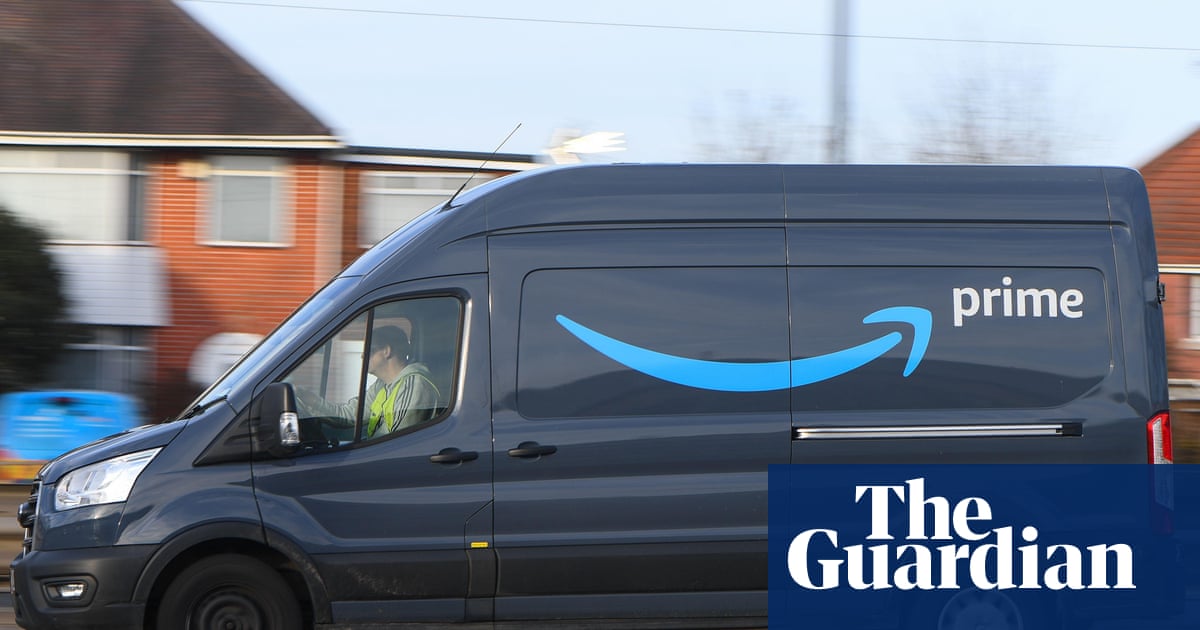
💡Understand how Amazon leverages logistics AI to replace physical retail with ultra-fast, data-driven delivery models.
⚡ 30-Second TL;DR
What Changed
Amazon Now ultra-fast delivery (under 30 mins) expanding to Manchester and Birmingham.
Why It Matters
This expansion signals Amazon's continued reliance on logistics-heavy, AI-optimized supply chain management rather than physical retail footprints to dominate the grocery sector.
What To Do Next
Analyze Amazon's logistics API patterns if you are building real-time, location-based delivery optimization engines.
Key Points
- •Amazon Now ultra-fast delivery (under 30 mins) expanding to Manchester and Birmingham.
- •Same-day delivery service now includes fresh fruit and vegetables.
- •Strategic pivot following the closure of standalone Amazon Fresh physical stores in the UK.
🧠 Deep Insight
Background and context from public sources — not the original article. 22 sources cited.
🔑 Enhanced Key Takeaways
- •Amazon Now, the company's ultra-fast essentials delivery service, was initially launched in the UK in January 2026, beginning in the Southwark area of London, offering deliveries in 30 minutes or less from specialized smaller facilities or 'dark stores' strategically located near customers.
- •A significant enhancement to Amazon's same-day delivery service is the ability for customers to now combine fresh groceries, such as fruits, vegetables, meat, and dairy, with millions of non-food items in a single shopping basket for same-day delivery, a feature initially rolled out in parts of Central and East London.
- •Amazon is committing a substantial investment of £40 billion in the UK over a three-year period starting from 2025, which is earmarked for bolstering its fulfillment technology and logistics infrastructure to support the expansion of faster delivery options and a broader online grocery selection.
- •The decision to close all 19 Amazon Fresh physical stores in the UK by the end of 2025, with five locations being converted into Whole Foods Market stores, represents a strategic pivot to prioritize and double down on online grocery delivery, driven by the recognition of substantial growth opportunities in this digital segment.
- •Amazon's 'Everyday Essentials' category, which encompasses groceries and household items, has become a significant growth driver, now accounting for approximately one-third of all items ordered on Amazon.co.uk and growing at nearly twice the rate of other business categories.
📊 Competitor Analysis▸ Show
| Competitor/Service | Key Features | Delivery Speed | Pricing (for members/non-members) | Notes |
|---|---|---|---|---|
| Amazon Now | Thousands of groceries & household essentials | Under 30 minutes | Prime: from £1.99; Non-Prime: £3.99 (plus £2 fee for orders under £15) | Operates from dark stores |
| Amazon Fresh (Online) | Wide selection of groceries, including fresh, chilled, frozen | Same-day (1-2 hour slots) | Prime: Free 2-hour over £40 (from July 28, 2026), £3.99 for 1-hour; Under £40: £3.99 for 2-hour, £6.99 for 1-hour. Free same-day over £20. Non-Prime: £5.99 delivery fee for same-day. | Minimum order £15 for Prime |
| Tesco Whoosh | Small grocery orders | Under 1 hour | Not specified in search results | Part of Tesco's main app |
| Sainsbury's Chop Chop | Small basket of items | As little as 60 minutes | Not specified in search results | Standalone service pulled, quick commerce integrated into main app; partners with Deliveroo/Uber Eats |
| Ocado Zoom | Wide range of groceries | Quick delivery slots | Not specified in search results | Leverages Ocado's extensive catalog |
| Getir / Gorillas | Groceries, snacks, everyday essentials | Often within minutes | Not specified in search results | Operate from local dark stores/micro-fulfillment centers |
| Beelivery | Emergency grocery needs | 15 to 90 minutes | Not specified in search results | Utilizes independent, local couriers |
🛠️ Technical Deep Dive
- Specialized Fulfillment Facilities: Amazon utilizes smaller, specialized facilities (dark stores) strategically located close to urban customer bases to enable ultra-fast delivery times for Amazon Now and other rapid services.
- Temperature-Controlled Logistics: For fresh and perishable items, Amazon employs temperature-controlled environments for storage, picking, and packing. Deliveries of sensitive products use insulated, recyclable packaging to maintain freshness, with quality checks at multiple points.
- Advanced Logistics Technology: The expansion is supported by continuous investment in fulfillment technology and logistics infrastructure, which includes placing products closer to customers. This involves sophisticated systems for route planning, order optimization, and real-time tracking of delivery personnel.
- AI-Powered Warehouse Robotics: Amazon is investing in advanced robotics for its warehouses. The next-generation Proteus AI-powered mobile robot, capable of responding to conversational prompts and autonomously figuring out tasks, priorities, and routes, is slated for deployment in Europe in the first half of 2027. Other robotic systems like STARK (tote-handling) and Vulcan (with a sense of touch) are also being developed and rolled out.
🔮 Future ImplicationsAI analysis grounded in cited sources
⏳ Timeline
📎 Sources (22)
Factual claims are grounded in the sources below. Forward-looking analysis is AI-generated interpretation.
- thegrocer.co.uk
- pymnts.com
- aboutamazon.co.uk
- aboutamazon.com
- channelx.world
- thegrocer.co.uk
- procurementmag.com
- theguardian.com
- grocerydive.com
- technologymagazine.com
- retailwire.com
- costar.com
- wikipedia.org
- retail-week.com
- locus.sh
- goodhousekeeping.com
- jupiterhadley.com
- retailtechinnovationhub.com
- lomidriver.com
- lomidriver.com
- globalbankingandfinance.com
- reportlinker.com
Weekly AI Recap
Read this week's curated digest of top AI events →
👉Related Updates

AI-curated news aggregator. All content rights belong to original publishers.
Original source: The Guardian Technology ↗
This is a summary, not the original. Read the source, or get the weekly briefing.
The weekly digest
One email a week. Unsubscribe anytime.