Alibaba's Happy Oyster for 3D Interactive Videos
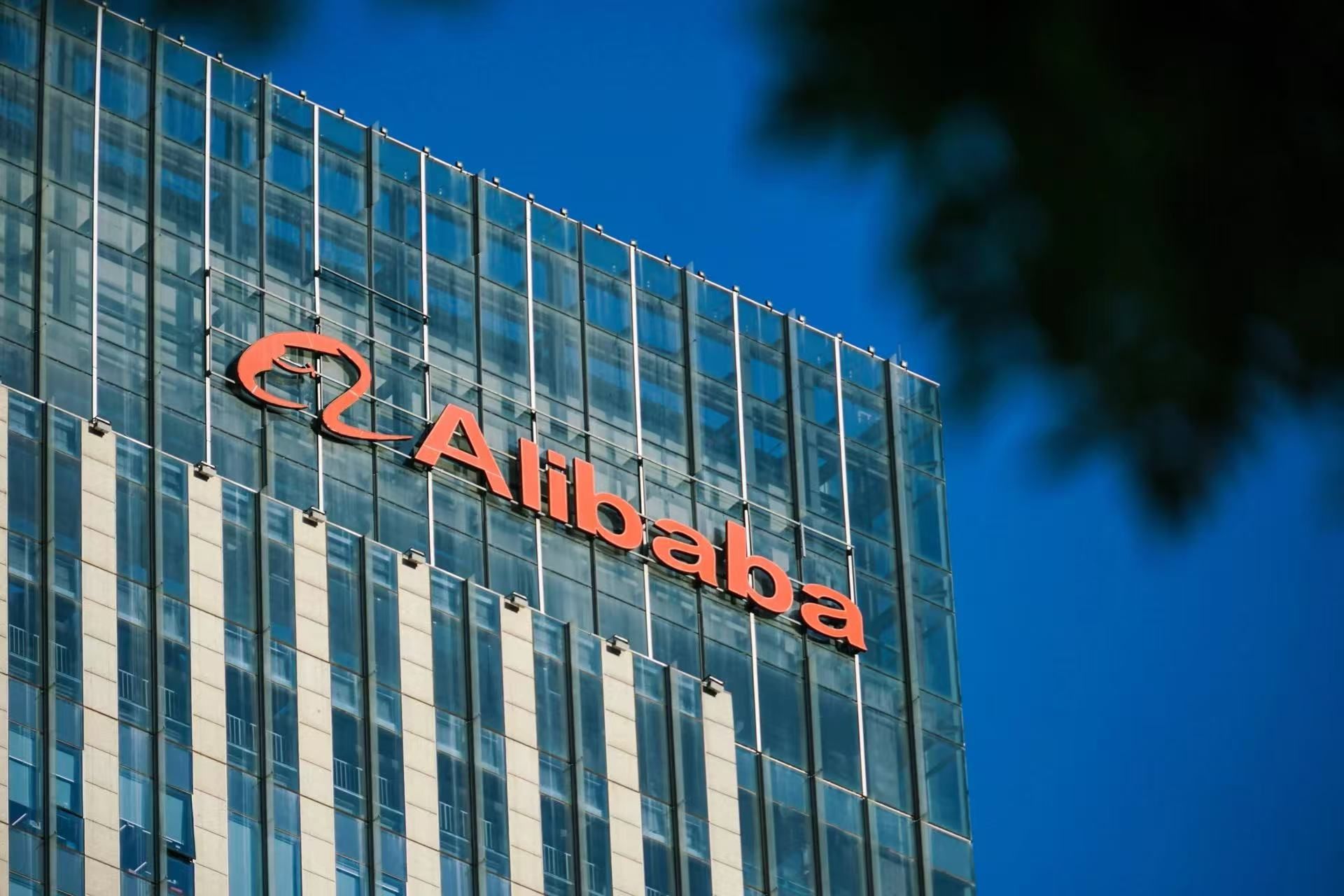
💡Alibaba's 3D interactive video model unlocks immersive AI content creation tools.
⚡ 30-Second TL;DR
What Changed
Alibaba Group unveiled Happy Oyster AI model
Why It Matters
Happy Oyster lowers barriers for creating interactive 3D experiences, potentially transforming gaming, VR/AR apps, and digital marketing.
What To Do Next
Check Alibaba Cloud AI demos for Happy Oyster to prototype 3D interactive videos.
Key Points
- •Alibaba Group unveiled Happy Oyster AI model
- •Generates fully interactive 3D video environments
- •Advances from 2D to immersive 3D content creation
🧠 Deep Insight
AI-generated analysis for this event — not the original article.
🔑 Enhanced Key Takeaways
- •Happy Oyster utilizes a novel 'Neural Radiance Field (NeRF) to Video' pipeline that allows users to manipulate lighting and camera angles in real-time within generated scenes.
- •The model is integrated into Alibaba's 'Tongyi' ecosystem, specifically targeting e-commerce merchants to create virtual try-on environments and interactive product showcases.
- •Unlike traditional generative video models, Happy Oyster employs a hybrid architecture combining diffusion-based frame generation with a geometric constraint layer to maintain spatial consistency in 3D space.
📊 Competitor Analysis▸ Show
| Feature | Happy Oyster (Alibaba) | Sora (OpenAI) | Kling AI (Kuaishou) |
|---|---|---|---|
| Primary Focus | Interactive 3D Environments | High-fidelity 2D Video | Realistic 2D Video |
| Interactivity | High (Real-time manipulation) | Low (Passive viewing) | Low (Passive viewing) |
| Target Market | E-commerce/Retail | Creative/Media | Social Media/Content Creation |
| Pricing | Enterprise/API-based | Subscription/API | Freemium/API |
🛠️ Technical Deep Dive
- Architecture: Employs a dual-stream architecture where a latent diffusion model generates visual textures, while a secondary geometric engine enforces 3D mesh constraints.
- Latency: Optimized for edge-computing, enabling sub-500ms response times for camera perspective shifts on supported mobile devices.
- Data Training: Trained on a proprietary dataset of 50 million high-resolution 3D scans of consumer products paired with synthetic video sequences.
- Integration: Exposes a RESTful API for developers to inject custom 3D assets into the generative pipeline.
🔮 Future ImplicationsAI analysis grounded in cited sources
⏳ Timeline
📰 Event Coverage
Weekly AI Recap
Read this week's curated digest of top AI events →
👉Related Updates

AI-curated news aggregator. All content rights belong to original publishers.
Original source: Pandaily ↗
This is a summary, not the original. Read the source, or get the weekly briefing.
The weekly digest
One email a week. Unsubscribe anytime.