Alibaba Tencent Launch Two Competing Worlds
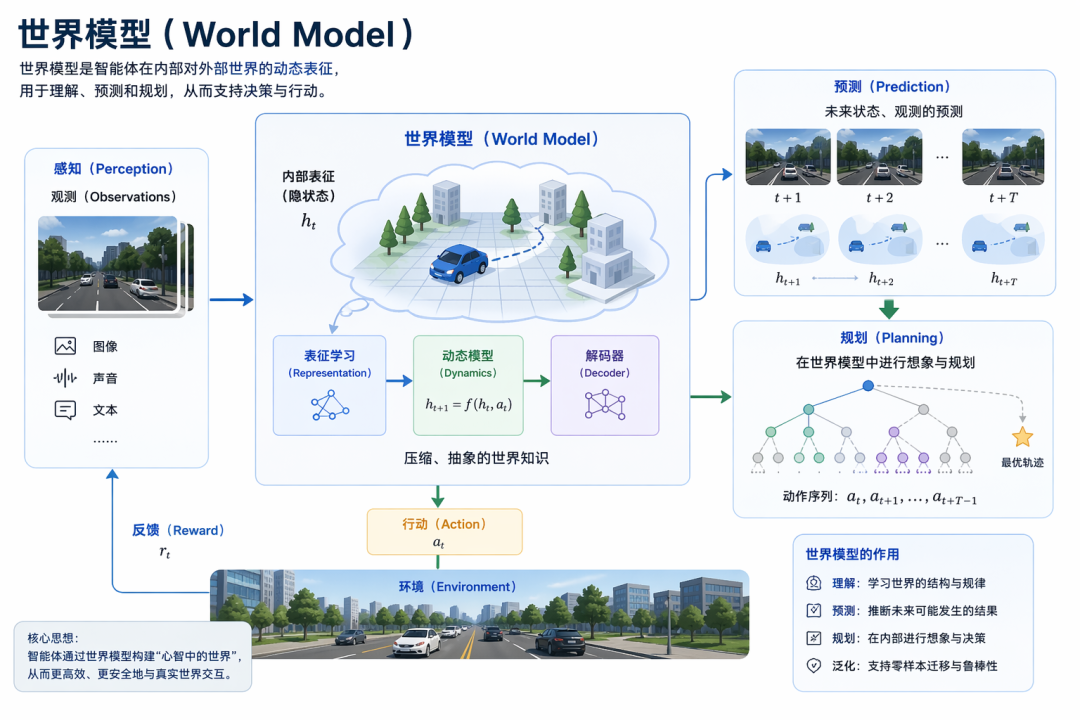
💡Alibaba/Tencent's new worlds test AI scene moats – key for strategy benchmarking.
⚡ 30-Second TL;DR
What Changed
Alibaba releases HappyOyster platform
Why It Matters
Heightens rivalry in AI-driven virtual worlds between Chinese tech giants. Could influence global AI application strategies and ecosystem lock-in tactics.
What To Do Next
Demo HappyOyster and HY-World 2.0 to benchmark against your AI agent simulations.
Key Points
- •Alibaba releases HappyOyster platform
- •Tencent unveils HY-World 2.0 upgrade
- •Both emphasize immersive 'world' scenarios
- •Questions validity of scenario-based moats
🧠 Deep Insight
AI-generated analysis for this event — not the original article.
🔑 Enhanced Key Takeaways
- •HappyOyster leverages Alibaba's proprietary 'Cloud-Native Spatial Engine' to integrate real-time e-commerce transactions directly into 3D immersive environments, marking a shift from passive browsing to interactive commerce.
- •HY-World 2.0 utilizes Tencent's 'Digital Twin Engine' to prioritize social interoperability, allowing users to port existing WeChat social graphs and digital assets into the new virtual space.
- •Industry analysts suggest these 'worlds' are primarily defensive strategies to combat declining user time-spent metrics on traditional mobile apps by creating high-retention, closed-loop virtual ecosystems.
📊 Competitor Analysis▸ Show
| Feature | HappyOyster (Alibaba) | HY-World 2.0 (Tencent) | ByteDance (PICO/Virtual) |
|---|---|---|---|
| Primary Focus | Transactional Commerce | Social/Gaming Integration | Hardware-First Immersive |
| Engine | Cloud-Native Spatial | Digital Twin Engine | Proprietary VR/AR OS |
| Monetization | In-world Retail/Ads | Virtual Goods/Social Fees | Hardware/App Store Fees |
🔮 Future ImplicationsAI analysis grounded in cited sources
⏳ Timeline
Weekly AI Recap
Read this week's curated digest of top AI events →
👉Related Updates



AI-curated news aggregator. All content rights belong to original publishers.
Original source: 钛媒体 ↗
This is a summary, not the original. Read the source, or get the weekly briefing.
The weekly digest
One email a week. Unsubscribe anytime.