Alibaba May Sell Lingxi Games to Pivot Toward AI
💡See how a tech giant sacrifices a multi-billion dollar gaming unit to double down on AI-driven consumer services.
⚡ 30-Second TL;DR
What Changed
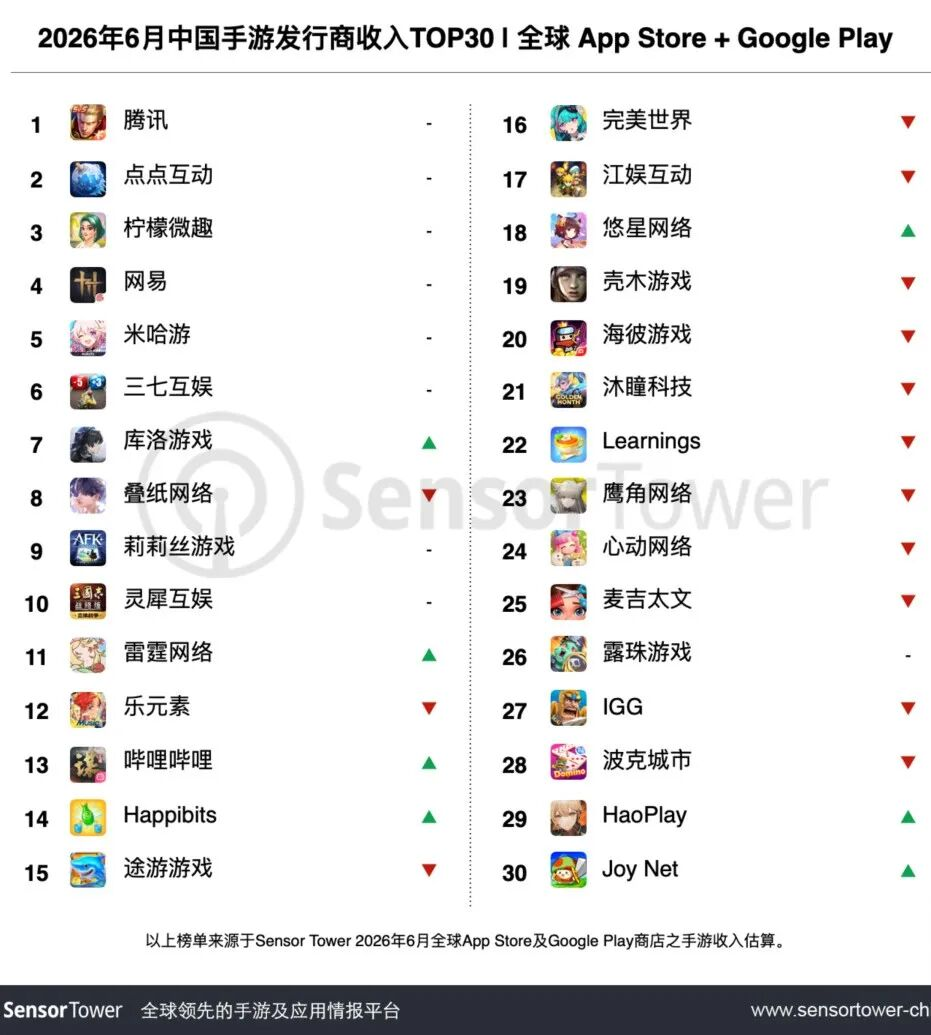
Alibaba is considering a full-package sale of Lingxi Interactive Entertainment, valued at 7-9 billion RMB.
Why It Matters
This divestment signals a major shift in Big Tech strategy, moving away from 'all-encompassing' digital ecosystems toward AI-native platforms. It suggests that legacy gaming assets are being sacrificed to fund massive AI infrastructure and model deployment.
What To Do Next
Monitor the integration of Alibaba's 'Qianwen' API in consumer apps to understand how large-scale AI-to-C deployment impacts user retention and service efficiency.
Key Points
- •Alibaba is considering a full-package sale of Lingxi Interactive Entertainment, valued at 7-9 billion RMB.
- •The strategic pivot follows a corporate restructuring where Alibaba's entertainment arm rebranded to 'Tiger Whale' to focus on AI-content integration.
- •Alibaba is aggressively pushing its 'Qianwen' AI model into consumer-facing applications like Taobao and Alipay.
- •Internal leadership emphasizes that AI is now the primary driver for the future of the entertainment industry.
🧠 Deep Insight
AI-generated analysis for this event — not the original article.
🔑 Enhanced Key Takeaways
- •Lingxi Games was originally formed from the acquisition of Ejoy, a studio founded by former NetEase executive Zhan Zhonghui, which Alibaba acquired in 2017 to bolster its gaming footprint.
- •The potential divestiture follows a period of internal volatility at Lingxi, including the departure of key executives and the underperformance of several high-budget titles compared to industry leaders like Tencent and miHoYo.
- •Alibaba's 'Tiger Whale' ecosystem is specifically designed to leverage the Qwen (Tongyi Qianwen) multimodal models to automate asset generation, such as 3D modeling and NPC dialogue, reducing production costs by an estimated 30-40%.
- •The 7-9 billion RMB valuation is considered conservative by analysts, reflecting a broader cooling of the Chinese gaming M&A market due to stricter regulatory oversight on monetization and playtime limits.
- •Alibaba's shift mirrors a wider trend among Chinese Big Tech firms, such as ByteDance's Nuverse restructuring, moving away from capital-intensive game development to focus on AI-driven platform services.
📊 Competitor Analysis▸ Show
| Feature | Alibaba (Tiger Whale/AI) | Tencent (Games/AI) | NetEase (Games/AI) |
|---|---|---|---|
| Core Strategy | AI-integrated entertainment | Gaming dominance + AI R&D | AI-driven content creation |
| AI Model | Qwen (Tongyi Qianwen) | Hunyuan | NetEase Fuxi Lab |
| Market Focus | Consumer-facing AI apps | Gaming/Social ecosystem | Gaming/Metaverse |
| Status | Pivoting from dev to AI | Maintaining dev leadership | Integrating AI in dev |
🛠️ Technical Deep Dive
- Qwen-Max/Qwen-2.5 Architecture: Utilizes a Mixture-of-Experts (MoE) framework to optimize inference costs for consumer applications.
- Multimodal Integration: The Tiger Whale ecosystem employs specialized adapters for Qwen to process game engine data (Unity/Unreal) for real-time asset generation.
- Inference Optimization: Alibaba uses proprietary PAI (Platform for AI) infrastructure to reduce latency for AI-NPC interactions within the Taobao/Alipay entertainment interfaces.
🔮 Future ImplicationsAI analysis grounded in cited sources
⏳ Timeline
Weekly AI Recap
Read this week's curated digest of top AI events →
👉Related Updates



AI-curated news aggregator. All content rights belong to original publishers.
Original source: 虎嗅 ↗
This is a summary, not the original. Read the source, or get the weekly briefing.
The weekly digest
One email a week. Unsubscribe anytime.