Alibaba integrates Cainiao domestic supply chain into e-commerce
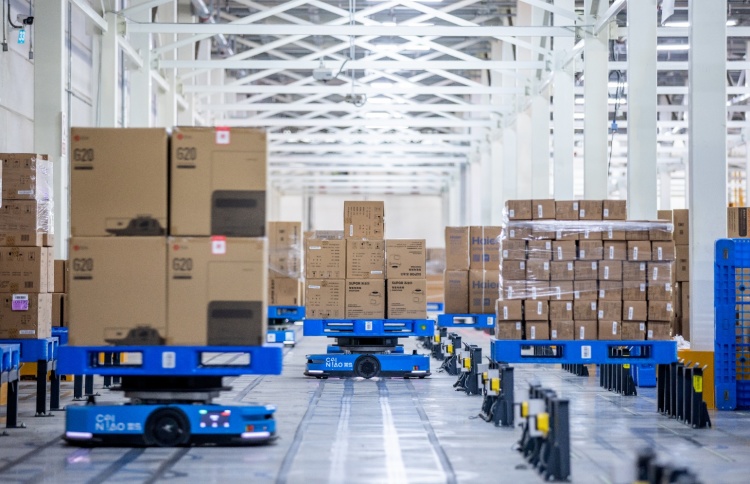
💡Understand how Alibaba is restructuring its logistics data to better support large-scale AI e-commerce applications.
⚡ 30-Second TL;DR
What Changed
Cainiao domestic supply chain unit merged into Alibaba e-commerce
Why It Matters
This integration suggests a tighter coupling of logistics data and e-commerce platforms, likely to fuel more efficient AI-driven supply chain forecasting and personalized shopping experiences.
What To Do Next
Monitor Alibaba's open-source AI repositories and logistics APIs for potential updates resulting from this unified data infrastructure.
Key Points
- •Cainiao domestic supply chain unit merged into Alibaba e-commerce
- •Internal management meeting confirmed the restructuring
- •Integration process completed as of July 1st
- •Strategic move linked to Alibaba's heavy investment in AI
🧠 Deep Insight
AI-generated analysis for this event — not the original article.
🔑 Enhanced Key Takeaways
- •The integration aims to unify the user experience for Taobao and Tmall merchants by streamlining logistics services directly within the e-commerce interface, reducing cross-departmental friction.
- •This move follows Alibaba's decision to abandon the planned IPO for Cainiao Smart Logistics Network in early 2024, shifting focus toward internal synergy rather than independent public listing.
- •The restructuring involves a shift in reporting lines where Cainiao's domestic logistics leadership now reports directly to Alibaba's e-commerce division heads to accelerate AI-driven supply chain optimization.
- •Alibaba is leveraging this integration to deploy proprietary large language models (LLMs) for predictive inventory management and automated route optimization across its domestic logistics network.
- •The consolidation is part of a broader '1+6+N' organizational reform reversal, signaling a strategic pivot back toward centralized control to combat intensifying competition from platforms like Pinduoduo and Douyin.
📊 Competitor Analysis▸ Show
| Feature | Alibaba (Cainiao Integration) | JD.com (JD Logistics) | Pinduoduo (J&T/Third-Party) |
|---|---|---|---|
| Logistics Model | Hybrid (Platform-led) | Integrated (In-house/Asset-heavy) | Outsourced (Asset-light) |
| AI Integration | High (Predictive/LLM-driven) | High (Automation/Robotics) | Moderate (Data-driven routing) |
| Delivery Speed | Variable (Platform dependent) | Industry-leading (Same-day) | Competitive (Cost-focused) |
🛠️ Technical Deep Dive
- Implementation of AI-driven 'Smart Brain' systems to predict regional demand spikes and pre-position inventory in Cainiao warehouses.
- Integration of real-time logistics data APIs into the Taobao/Tmall merchant backend to enable automated order fulfillment and dynamic shipping cost adjustments.
- Deployment of large-scale optimization algorithms for last-mile delivery route planning, reducing carbon footprint and delivery latency.
- Utilization of computer vision and IoT sensors in automated sorting centers to improve parcel tracking accuracy and reduce manual handling errors.
🔮 Future ImplicationsAI analysis grounded in cited sources
⏳ Timeline
Weekly AI Recap
Read this week's curated digest of top AI events →
👉Related Updates
AI-curated news aggregator. All content rights belong to original publishers.
Original source: cnBeta (Full RSS) ↗
This is a summary, not the original. Read the source, or get the weekly briefing.
The weekly digest
One email a week. Unsubscribe anytime.