AI’s Capability Kill Zone
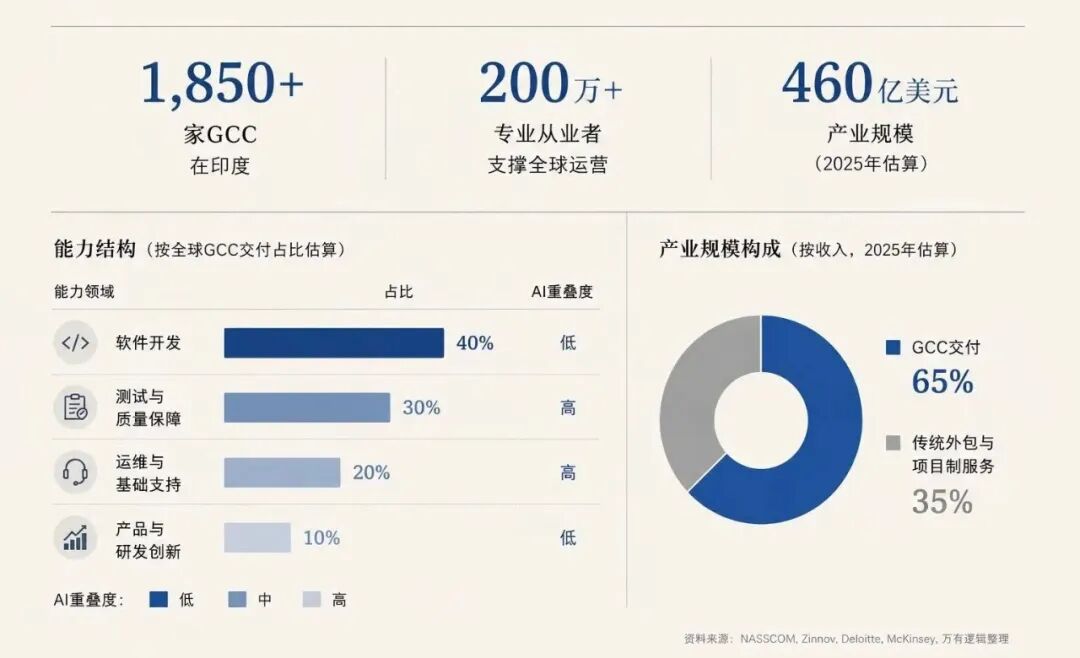
💡See why AI may reshape national power through capability gaps, not just better models.
⚡ 30-Second TL;DR
What Changed
Frames AI as a force that can weaken national capabilities.
Why It Matters
For AI practitioners, the analysis highlights that competitive advantage may depend on data, infrastructure, talent, and deployment capabilities—not just model quality. Companies operating in emerging markets may need to assess whether AI is widening existing digital divides.
What To Do Next
Map your organization’s dependence on external models, cloud infrastructure, data, and specialized talent, then prioritize the most critical single points of failure.
Key Points
- •Frames AI as a force that can weaken national capabilities.
- •Uses India to examine vulnerabilities in the digital economy.
- •Shifts the discussion from AI models to strategic capability gaps.
🧠 Deep Insight
AI-generated analysis for this event.
🔑 Enhanced Key Takeaways
- •The 'Capability Kill Zone' concept refers to a strategic trap where developing nations become overly dependent on foreign AI infrastructure, effectively outsourcing their cognitive and industrial sovereignty.
- •India's 'Digital Public Infrastructure' (DPI) model is being scrutinized for potential vulnerabilities where AI-driven platforms could create systemic dependencies that are difficult to decouple during geopolitical crises.
- •Analysts suggest that AI-driven capability gaps are widening between nations that own the foundational compute resources and those that merely act as consumers or data providers.
- •The discourse highlights the risk of 'algorithmic colonization,' where foreign AI models prioritize the economic and cultural values of their origin countries, potentially undermining local digital ecosystems.
- •Recent policy shifts in India, such as the focus on 'Sovereign AI' and domestic GPU clusters, are direct responses to mitigating the risks identified in the 'Capability Kill Zone' framework.
🔮 Future ImplicationsAI analysis grounded in cited sources
⏳ Timeline
Weekly AI Recap
Read this week's curated digest of top AI events →
👉Related Updates

AI-curated news aggregator. All content rights belong to original publishers.
Original source: 钛媒体 ↗