百麗時尚如何走向 AI 原生
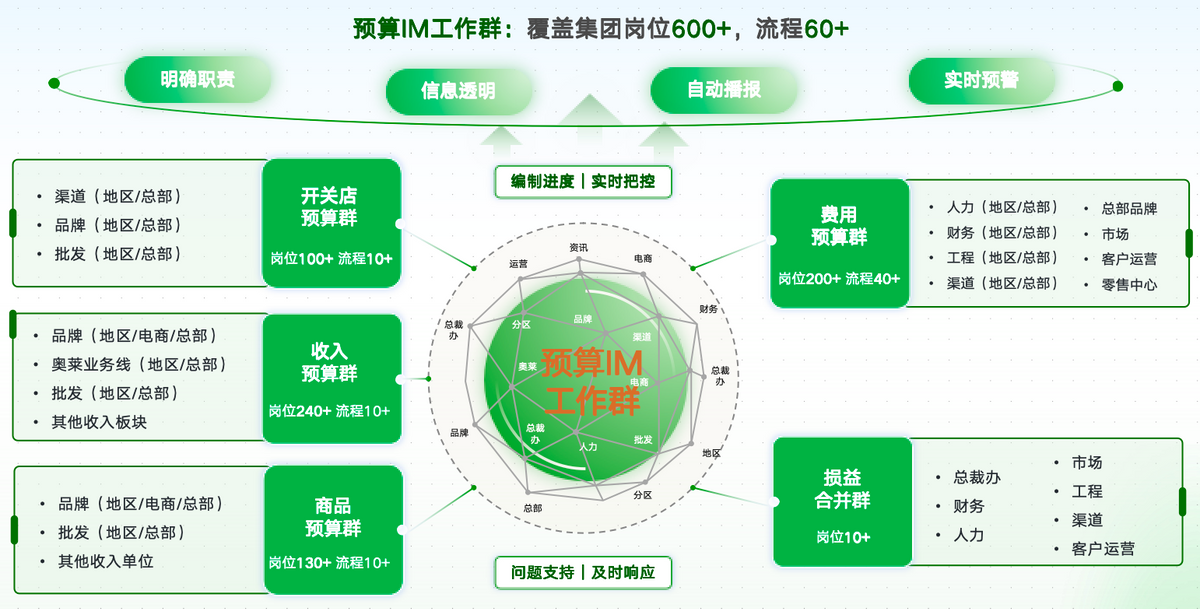
💡Learn how a large enterprise moves AI from online collaboration tools into core workflows.
⚡ 30-Second TL;DR
What Changed
百麗時尚將企業 AI 落地視為從協同在線到 AI 原生的連續轉型過程
Why It Matters
The case offers enterprise AI practitioners a practical reference for moving beyond isolated pilots toward workflow-level adoption. Its value lies more in implementation methodology and organizational change than in introducing a specific model or API.
What To Do Next
Select one repetitive internal workflow and prototype a retrieval-augmented assistant with the OpenAI Responses API, measuring task completion time and answer accuracy before scaling.
Key Points
- •百麗時尚將企業 AI 落地視為從協同在線到 AI 原生的連續轉型過程
- •文章以企業實踐為主軸,探討如何讓 AI 真正進入日常業務流程
- •內容提供大篇幅案例分析,適合研究企業 AI 導入、組織協作與流程重構
🧠 Deep Insight
AI-generated analysis for this event.
🔑 Enhanced Key Takeaways
- •Belle Fashion has established a 'Data Middle Platform' (Data Mid-end) strategy as the foundational architecture to support AI-native applications, moving beyond simple digitalization.
- •The company utilizes a 'Human-in-the-loop' approach for its AI fashion design assistants, allowing designers to iterate on AI-generated sketches to ensure brand consistency and market fit.
- •Belle Fashion has integrated AI into its supply chain management, specifically using predictive analytics to optimize inventory distribution across its thousands of physical retail stores.
- •The transformation involves a shift from 'process-driven' to 'data-driven' decision-making, where AI agents are deployed to handle routine customer service and store operation inquiries.
- •The company has implemented a proprietary internal training program to upskill non-technical staff, aiming to bridge the 'AI literacy gap' within its traditional retail workforce.
📊 Competitor Analysis▸ Show
| Feature | Belle Fashion (AI Native) | Traditional Retailers | Digital-Native Brands |
|---|---|---|---|
| Supply Chain | AI-Predictive | Manual/Historical | Data-Driven |
| Design Cycle | AI-Assisted (Fast) | Manual (Slow) | Trend-Driven |
| Store Ops | AI-Agent Supported | Manual Management | Hybrid |
🛠️ Technical Deep Dive
- Architecture: Utilizes a hybrid cloud infrastructure to balance data privacy with the high computational demands of generative AI models.
- Model Integration: Employs a combination of fine-tuned Large Language Models (LLMs) for internal knowledge management and specialized Computer Vision models for fashion trend analysis and design generation.
- Data Pipeline: Implements a real-time data ingestion layer that synchronizes sales data from physical retail terminals with the central AI engine to enable dynamic inventory adjustment.
- Agentic Workflow: Deploys autonomous AI agents within the enterprise collaboration platform to automate cross-departmental reporting and procurement workflows.
🔮 Future ImplicationsAI analysis grounded in cited sources
⏳ Timeline
Weekly AI Recap
Read this week's curated digest of top AI events →
👉Related Updates


AI-curated news aggregator. All content rights belong to original publishers.
Original source: 钛媒体 ↗