AI Threat Wallops Financial Shares to 3-Month Low
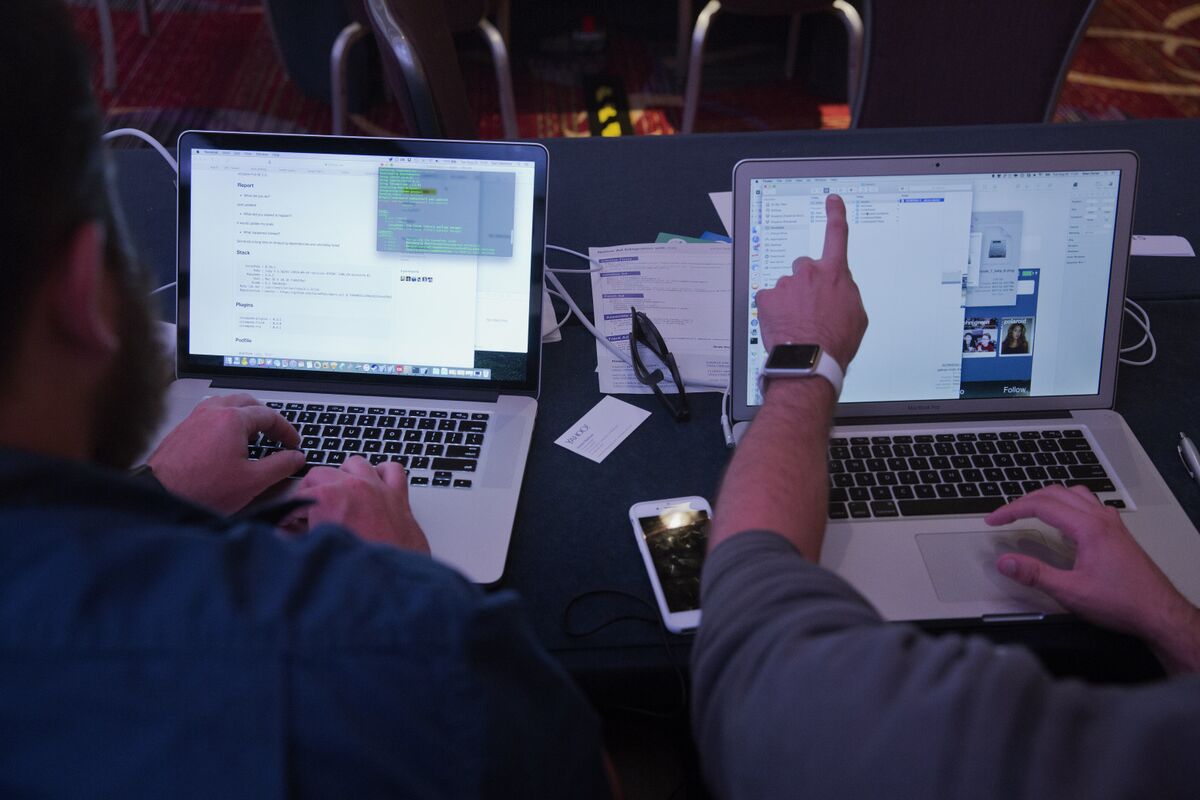
💡AI anxiety crashes bank stocks to 3-mo low—watch for fintech AI boom signals.
⚡ 30-Second TL;DR
What Changed
AI threat anxiety fuels financial shares selloff
Why It Matters
This selloff signals intensifying fears of AI disruption to traditional banking, potentially redirecting capital toward AI-powered fintech innovations. AI practitioners could see rising demand for tools addressing financial risk and automation.
What To Do Next
Evaluate AI models for private credit risk prediction to target disrupted market segments.
Key Points
- •AI threat anxiety fuels financial shares selloff
- •Shaky bets on private credit exacerbate downturn
- •Sector hits three-month low amid concerns
- •Banks and asset managers bear the brunt
🧠 Deep Insight
Background and context from public sources — not the original article. 7 sources cited.
🔑 Enhanced Key Takeaways
- •AI-enhanced social engineering attacks, including voice cloning and QR code phishing, have surged 16 percentage points to become the top cybersecurity threat for financial institutions in 2026[1].
- •44% of experts identify autonomous 'agentic AI' systems as the primary source of AI-related systemic risk to financial stability, due to their multi-step decision-making capabilities[2].
- •Widespread use of similar AI models across institutions could amplify market shocks through herding behavior and increased correlations in responses[3].
- •SEC's 2026 priorities mark cybersecurity and AI as dominant risks, surpassing cryptocurrency, with AI suppressing human intuition in decision-making[4].
🔮 Future ImplicationsAI analysis grounded in cited sources
⏳ Timeline
📎 Sources (7)
Factual claims are grounded in the sources below. Forward-looking analysis is AI-generated interpretation.
- csiweb.com — Csi 2026 Banking Priorities AI Emerges As Both Top Opportunity and Threat for Financial Institutions
- osfi-bsif.gc.ca — Fifai Ii Collaborative Approach AI Threats Opportunities Best Practices Workshop 3 AI Financial 0
- bis.org — Sp260126
- corporatecomplianceinsights.com — 2026 Operational Guide Cybersecurity AI Governance Emerging Risks
- jpmorgan.com — Outlook 2026
- reports.weforum.org — Wef Global Cybersecurity Outlook 2026
- citadelsecurities.com — 2026 Global Intelligence Crisis
Weekly AI Recap
Read this week's curated digest of top AI events →
👉Related Updates
AI-curated news aggregator. All content rights belong to original publishers.
Original source: Bloomberg Technology ↗
This is a summary, not the original. Read the source, or get the weekly briefing.
Weekly AI briefing
One email a week. Unsubscribe anytime.