AI Targets Minds Over Jobs
💡AI erodes judgment more than jobs—critical for ethical AI builders
⚡ 30-Second TL;DR
What Changed
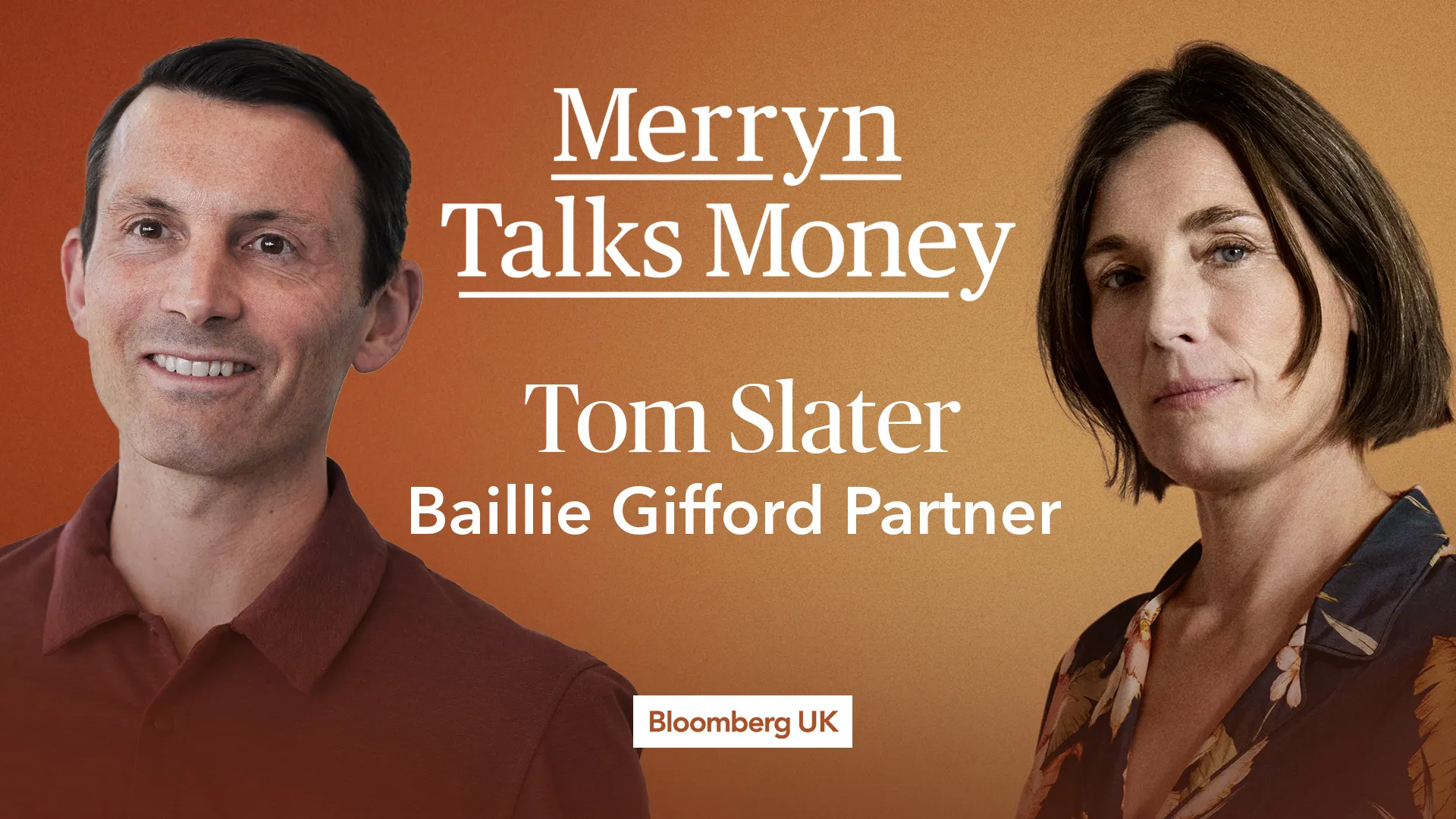
Tom Slater's paper: 'AI Isn’t Coming for Your Job. It’s Coming for Your Mind.'
Why It Matters
This analysis urges AI practitioners to prioritize human cognitive preservation alongside productivity gains. It may shift investment focus toward AI strategies enhancing human-AI collaboration. Practitioners should integrate these risks into ethical development frameworks.
What To Do Next
Read Tom Slater's full paper to assess AI's cognitive risks in your projects.
Key Points
- •Tom Slater's paper: 'AI Isn’t Coming for Your Job. It’s Coming for Your Mind.'
- •Risk of hyper-productive world losing human judgement and expertise.
- •Discusses workforce evolution and smart AI investing.
- •Baillie Gifford partner warns of subtle cognitive impacts.
🧠 Deep Insight
AI-generated analysis for this event.
🔑 Enhanced Key Takeaways
- •Slater emphasizes the 'outsourcing of cognition,' where reliance on LLMs for synthesis and decision-making risks atrophy of the critical thinking skills necessary for long-term strategic leadership.
- •The investment thesis at Baillie Gifford shifts from purely evaluating AI-driven productivity gains to assessing how companies maintain 'human-in-the-loop' systems that preserve institutional knowledge and competitive differentiation.
- •The argument draws parallels to historical technological shifts, such as the introduction of GPS, which reduced human navigational intuition, suggesting AI may similarly degrade domain-specific expertise in professional fields.
🔮 Future ImplicationsAI analysis grounded in cited sources
⏳ Timeline
Weekly AI Recap
Read this week's curated digest of top AI events →
👉Related Updates
AI-curated news aggregator. All content rights belong to original publishers.
Original source: Bloomberg Technology ↗