AI Talent Shift: Business Insight Over Technical Skills
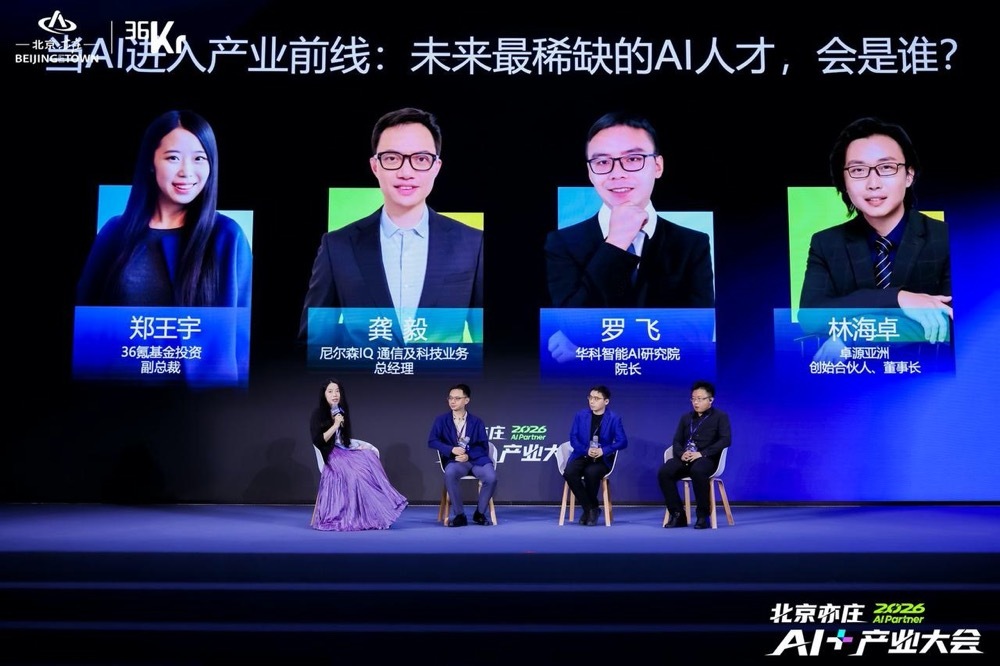
💡Understand why your technical skills might be depreciating and where the real value lies in the AI-integrated future.
⚡ 30-Second TL;DR
What Changed
AI is commoditizing high-frequency, repetitive tasks.
Why It Matters
Companies must pivot their hiring strategies to prioritize domain experts who can effectively integrate AI into complex business workflows rather than just hiring AI engineers.
What To Do Next
Audit your current AI workflows to identify which 'low-frequency, high-impact' decisions can be augmented by AI rather than fully automated.
Key Points
- •AI is commoditizing high-frequency, repetitive tasks.
- •Strategic, low-frequency decision-making is the new talent bottleneck.
- •The biggest barrier to AI adoption is identifying relevant business use cases.
- •Human-AI collaboration is shifting towards market-facing and customer-centric roles.
🧠 Deep Insight
Web-grounded analysis with 16 cited sources.
🔑 Enhanced Key Takeaways
- •The AI skills gap is a significant economic challenge, projected to cost the global economy $5.5 trillion by 2026, with over 90% of global enterprises facing critical shortages that extend beyond technical proficiency to include prompt engineering, critical evaluation of AI outputs, AI governance, and strategic AI literacy.
- •New hybrid job roles are emerging in 2026, such as AI-Assisted Content Strategist, Human-AI Interaction Designer, Conversational UX Writer, AI Business Consultant, and AI Operations Manager, which blend human judgment with machine power.
- •AI is expected to reshape 50% to 55% of all jobs in the US over the next two to three years, meaning existing roles will remain but with radically new expectations for how work is done and what is produced, necessitating significant upskilling.
- •Beyond identifying business use cases, major barriers to AI adoption include fragmented and unstructured data, challenges with legacy system integration, and ensuring high data quality, leading to 60% of AI projects being abandoned due to insufficient data quality.
- •The AI-driven job market is accelerating a shift towards skills-first hiring, where companies prioritize demonstrated capabilities and AI literacy over traditional academic degrees, with micro-credentials and self-taught mastery gaining significant weight in recruitment.
🔮 Future ImplicationsAI analysis grounded in cited sources
⏳ Timeline
📎 Sources (16)
Factual claims are grounded in the sources below. Forward-looking analysis is AI-generated interpretation.
Weekly AI Recap
Read this week's curated digest of top AI events →
👉Related Updates

AI-curated news aggregator. All content rights belong to original publishers.
Original source: 36氪 ↗