AI Steals Celeb Faces & Voices
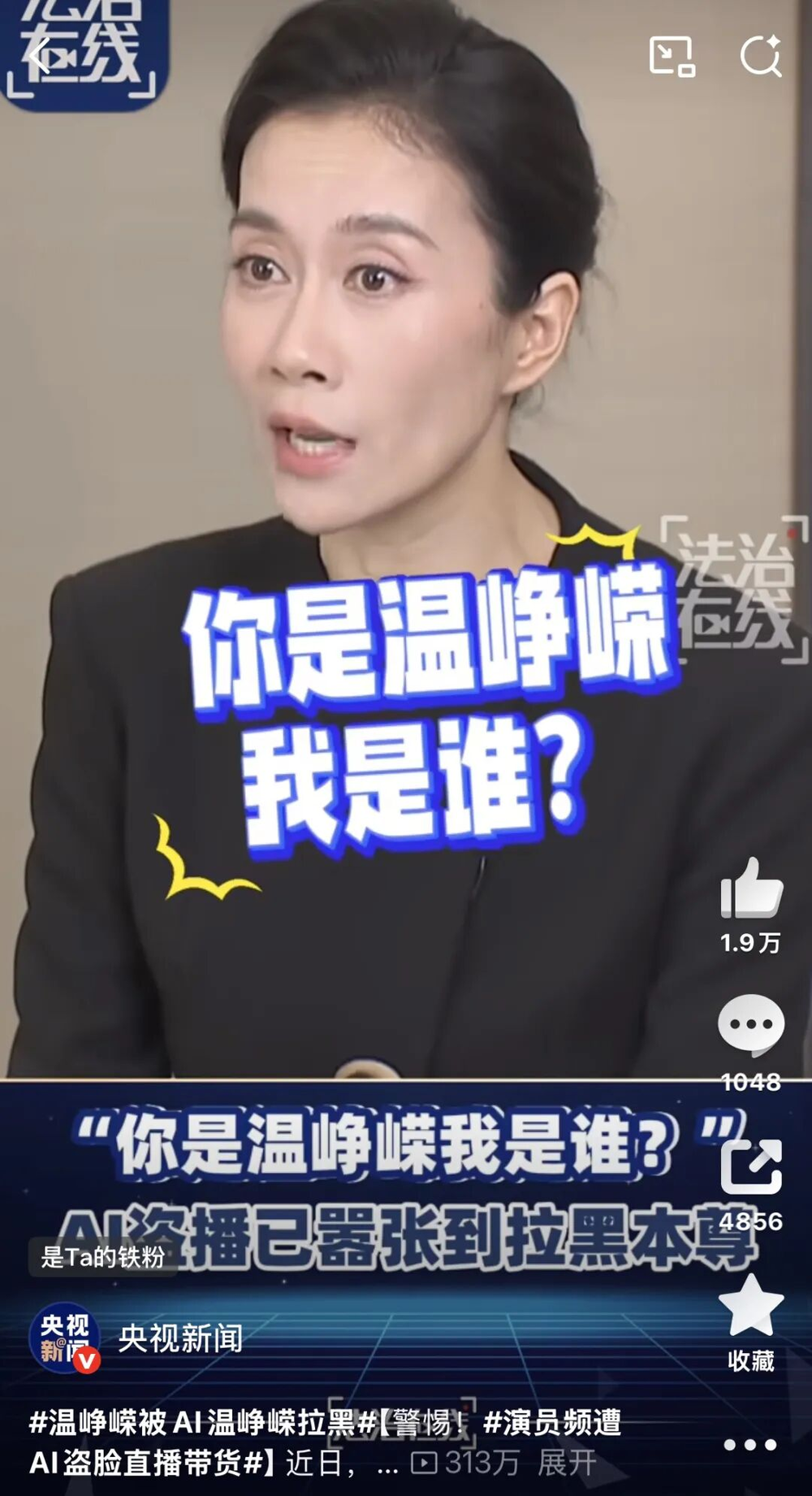
💡AI infringement wave hits entertainment; learn ethics/legal risks now.
⚡ 30-Second TL;DR
What Changed
Xiao Zhan, Yang Zi likenesses in AI short dramas like 'Qing Huan Wu'
Why It Matters
Accelerates AI ethics debates in entertainment; pushes for legal frameworks on likeness rights. May normalize authorized AI actors but threatens mid-tier talent jobs.
What To Do Next
Audit your AI training data for unauthorized celeb likenesses to avoid lawsuits.
Key Points
- •Xiao Zhan, Yang Zi likenesses in AI short dramas like 'Qing Huan Wu'
- •Voice actors Ji Guanlin, Bian Jiang file infringement claims
- •Some net reds authorize AI clones; top actors wary of risks
- •Dubbing pros see jobs lost to low-cost AI replication
🧠 Deep Insight
AI-generated analysis for this event — not the original article.
🔑 Enhanced Key Takeaways
- •The Chinese government has accelerated regulatory frameworks, such as the 'Provisions on the Administration of Deep Synthesis of Internet Information Services,' specifically targeting unauthorized AI-generated content (AIGC) to curb the proliferation of 'digital twins' of public figures.
- •Major Chinese streaming platforms, including Douyin and Kuaishou, have implemented mandatory watermarking and 'AI-generated' labels for content, though enforcement remains inconsistent against smaller, independent short-drama production houses.
- •Legal precedents in China are shifting toward recognizing 'personality rights' (specifically the right to likeness and voice) as distinct from copyright, allowing celebrities to sue for damages even when the underlying content is original.
🔮 Future ImplicationsAI analysis grounded in cited sources
⏳ Timeline
Weekly AI Recap
Read this week's curated digest of top AI events →
👉Related Updates

AI-curated news aggregator. All content rights belong to original publishers.
Original source: 虎嗅 ↗
This is a summary, not the original. Read the source, or get the weekly briefing.
The weekly digest
One email a week. Unsubscribe anytime.