AI Speeds Work, Amplifies Anxiety
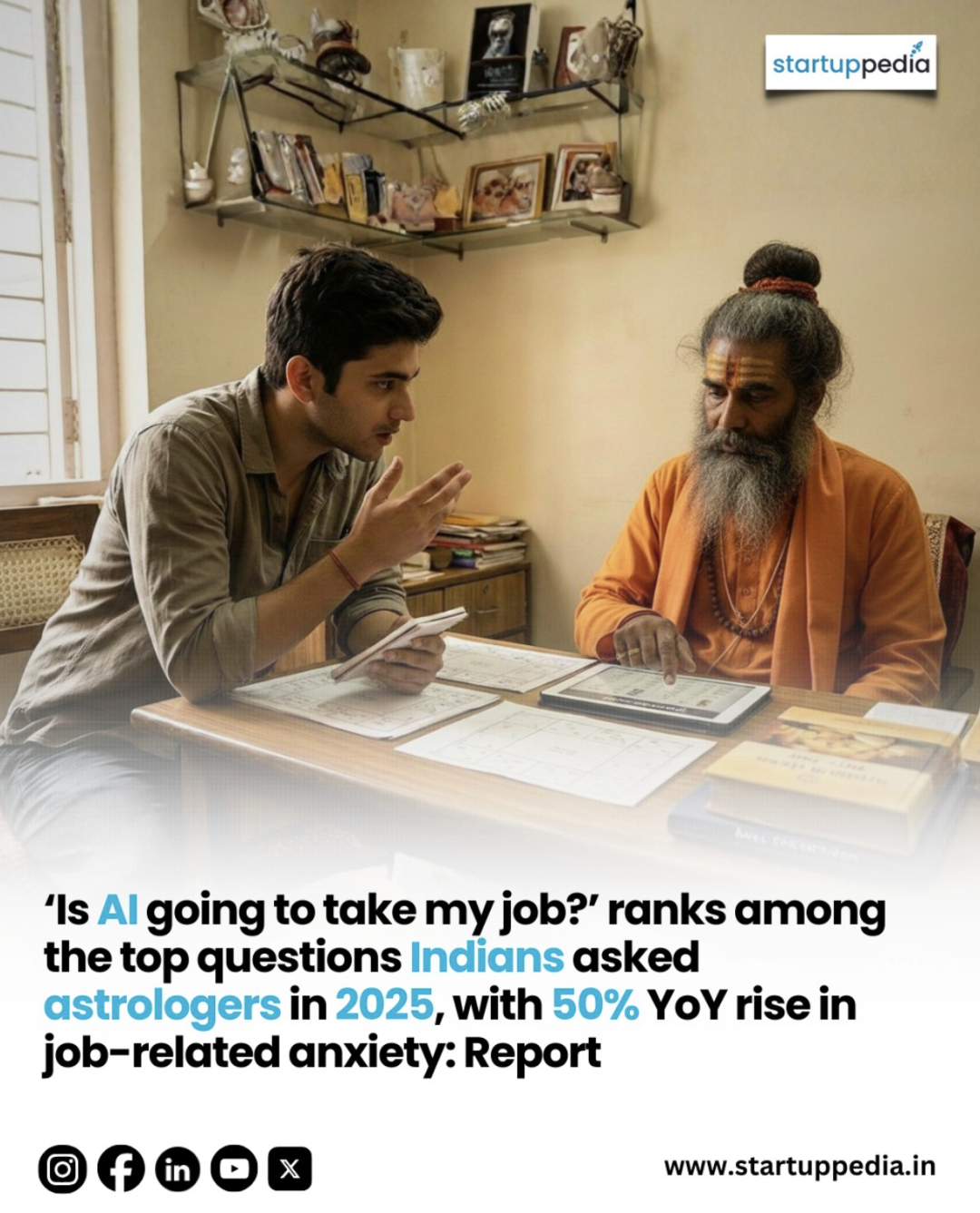
💡Why AI makes you busier + job replacement econ shift
⚡ 30-Second TL;DR
What Changed
AI agents accelerate work, spawning more projects despite early deadlines.
Why It Matters
Warns AI practitioners of burnout risk; urges adaptation focus over rigid planning.
What To Do Next
Track your AI tool usage hours weekly to avoid productivity trap overload.
Key Points
- •AI agents accelerate work, spawning more projects despite early deadlines.
- •Productivity paradox: efficiency fuels new demands, not leisure (Keynes misprediction).
- •AI alters capital-labor dynamic; 63% GenZ fear job extinction per Deloitte.
- •Survival strategies: embrace trades, YOLO investing, or artistic pivots.
🧠 Deep Insight
Background and context from public sources — not the original article. 7 sources cited.
🔑 Enhanced Key Takeaways
- •UC Berkeley's eight-month study of a 200-person tech company found that AI adoption led to work bleeding into lunch breaks and late evenings, with employees' to-do lists expanding to fill every hour freed up by AI tools, contradicting the assumption that efficiency gains translate to reduced working hours[1].
- •A trial of experienced developers using AI tools revealed a 19% increase in task completion time while users believed they were 20% faster, demonstrating a significant gap between perceived and actual productivity gains[1].
- •Goldman Sachs identified that while AI shows no meaningful relationship with economy-wide productivity, firms successfully measuring AI-driven productivity on specific tasks (software coding and customer service) reported median gains around 30%, with companies discussing AI in hiring contexts reducing job openings by 12% versus 8% across all companies[3].
- •The National Bureau of Economic Research survey of nearly 6,000 corporate executives across the US, UK, Germany, and Australia found that over 80% detect no discernible impact from AI on employment or productivity, yet executives anticipate 1.75 million job losses across these nations by 2028[2].
- •Harvard Business School research warns of second-order effects where AI may reduce work meaningfulness despite efficiency gains, potentially creating efficiency losses as employees become less willing to invest effort when work becomes less meaningful[5].
🔮 Future ImplicationsAI analysis grounded in cited sources
⏳ Timeline
📎 Sources (7)
Factual claims are grounded in the sources below. Forward-looking analysis is AI-generated interpretation.
- TechCrunch — The First Signs of Burnout Are Coming From the People Who Embrace AI the Most
- theregister.com — AI Productivity Survey
- fortune.com — Goldman Earnings AI Anxiety No Meaningful Impact Productivity Economy 30 Percent in 2 Areas
- youtube.com — Watch
- library.hbs.edu — AI Trends for 2026 Building Change Fitness and Balancing Trade Offs
- hbr.org — AI Doesnt Reduce Work It Intensifies It
- apa.org — Trends Work Uncertainty
Weekly AI Recap
Read this week's curated digest of top AI events →
👉Related Updates

AI-curated news aggregator. All content rights belong to original publishers.
Original source: 虎嗅 ↗
This is a summary, not the original. Read the source, or get the weekly briefing.
Weekly AI briefing
One email a week. Unsubscribe anytime.