AI Sparks Software Private Credit Defaults
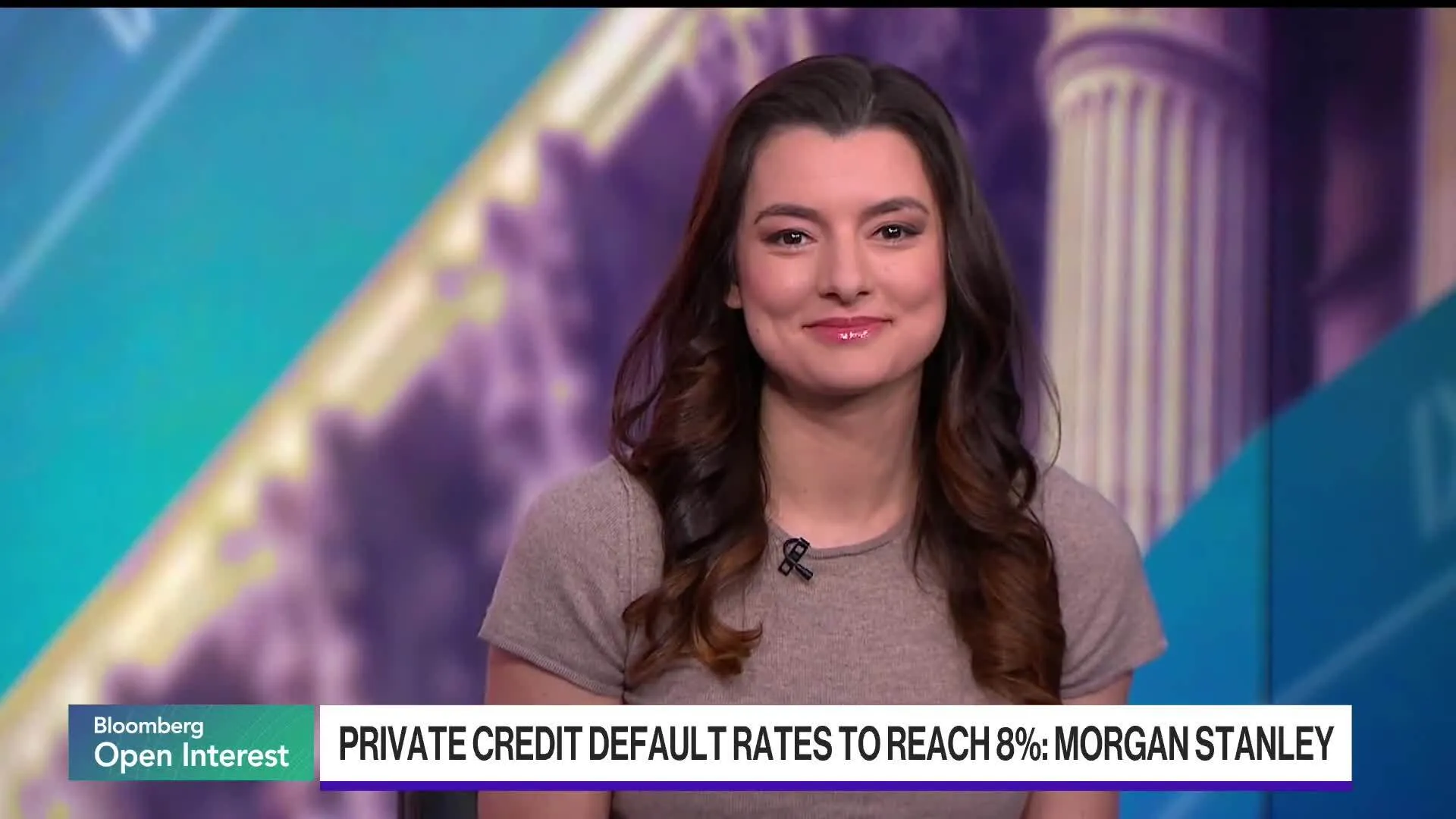
💡AI disrupting software finances: defaults rising, key for AI startup funding strategies
⚡ 30-Second TL;DR
What Changed
Defaults heavily concentrated in software per Morgan Stanley.
Why It Matters
AI-driven changes heighten financial risks for software firms, potentially tightening funding for AI-vulnerable companies and shifting investor focus.
What To Do Next
Read Morgan Stanley's software default research via Bloomberg for funding risk assessment.
Key Points
- •Defaults heavily concentrated in software per Morgan Stanley.
- •Software relied on private credit due to stable revenues for 10 years.
- •AI disruptions now undermine sector stability.
- •Bloomberg notes rising private credit defaults in software.
🧠 Deep Insight
Background and context from public sources — not the original article. 6 sources cited.
🔑 Enhanced Key Takeaways
- •Fitch Ratings reported the overall U.S. private credit default rate rose to 5.8% in January 2026, with technology software recording only three unique defaults in the trailing twelve months and a rate declining to 1.9% from 7.5% prior year[1][6].
- •Private credit's exposure to software companies exceeds $600-750 billion, with at least $9 billion in loans misclassified under other industries like business services or food products[2].
- •Software EBITDA multiples collapsed from 30x at end-2022 to 16x by 2026, halving collateral value for these loans, while Apollo reduced its software exposure from 20% to 10% in 2025[2].
- •Golub Capital, with 26% portfolio exposure to software, cut its dividend by 15% amid a 2026 BDC maturity wall of $12.7 billion in unsecured debt[2].
🔮 Future ImplicationsAI analysis grounded in cited sources
⏳ Timeline
📎 Sources (6)
Factual claims are grounded in the sources below. Forward-looking analysis is AI-generated interpretation.
- fundssociety.com — U S Private Credit Default Rate Continues to Climb
- saastr.com — Saas Markets Have Crashed in 2026 but Is Private Credit the Even Bigger Risk
- withintelligence.com — Private Credit Outlook 2026
- morganstanley.com — Private Credit 2026 Outlook
- nicolawealth.com — 2026 Separating Signal From Noise in Private Credit
- fitchratings.com — US Private Credit Default Rate Continues Upward March to 5 8 in January 2026 23 02 2026
Weekly AI Recap
Read this week's curated digest of top AI events →
👉Related Updates
AI-curated news aggregator. All content rights belong to original publishers.
Original source: Bloomberg Technology ↗
This is a summary, not the original. Read the source, or get the weekly briefing.
Weekly AI briefing
One email a week. Unsubscribe anytime.