AI Server Boom Drains MLCC Inventories
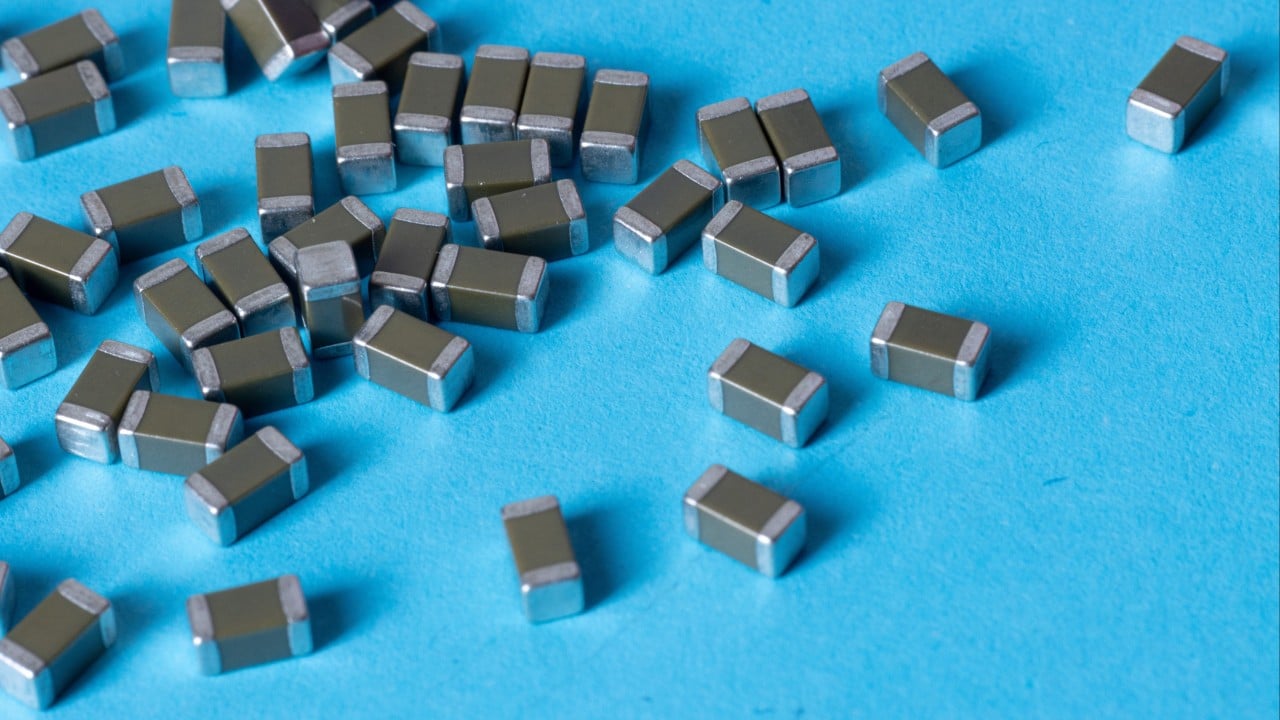
💡AI server expansion is tightening supplies of a tiny component that can delay hardware deployments.
⚡ 30-Second TL;DR
What Changed
Global MLCC inventories have dropped to a record low.
Why It Matters
The supply crunch could increase component procurement risk, lead times, and hardware costs for organizations expanding AI server capacity. AI infrastructure builders may need stronger inventory planning and supplier diversification to avoid deployment delays.
What To Do Next
Audit your AI server BOM for MLCC dependencies and qualify alternate suppliers or approved substitutes before placing your next hardware order.
Key Points
- •Global MLCC inventories have dropped to a record low.
- •Distributor inventory volume fell 8% by August 9 versus four weeks earlier.
- •AI infrastructure and high-performance servers are consuming MLCCs in massive volumes.
- •MLCCs are critical electrical-buffer components on circuit boards.
🧠 Deep Insight
Background and context from public sources — not the original article. 15 sources cited.
🔑 Enhanced Key Takeaways
- •AI GPU racks require between 440,000 and 600,000 MLCCs, representing a 200x increase in consumption compared to the 2,200 units used in standard dual-socket servers.
- •The current supply crisis is structural rather than speculative, contrasting with the 2018 shortage which was largely driven by market hoarding and natural disasters.
- •Lead times for high-end, AI-grade MLCCs have extended significantly, with some specialized components facing delivery delays of up to 16 months.
- •Major manufacturers including Murata, Samsung Electro-Mechanics, and Taiyo Yuden are actively reallocating production capacity away from consumer electronics to prioritize high-margin AI-grade components.
- •The industry is increasingly adopting silicon capacitors as a complementary technology to traditional MLCCs to manage power integrity challenges at the package level near the GPU die.
🛠️ Technical Deep Dive
- AI servers require MLCCs with ultra-high capacitance ranges between 10μF and 100μF to support power delivery networks.
- Components must feature low Equivalent Series Resistance (ESR) to effectively manage massive, instantaneous transient current swings inherent in AI accelerator workloads.
- Silicon capacitors are being deployed as a high-performance alternative to traditional ceramic-based capacitors to improve power density and reliability at the package level.
🔮 Future ImplicationsAI analysis grounded in cited sources
⏳ Timeline
📎 Sources (15)
Factual claims are grounded in the sources below. Forward-looking analysis is AI-generated interpretation.
Weekly AI Recap
Read this week's curated digest of top AI events →
👉Related Updates
AI-curated news aggregator. All content rights belong to original publishers.
Original source: SCMP Technology ↗
This is a summary, not the original. Read the source, or get the weekly briefing.
Weekly AI briefing
One email a week. Unsubscribe anytime.