AI Risks Private Credit Crisis
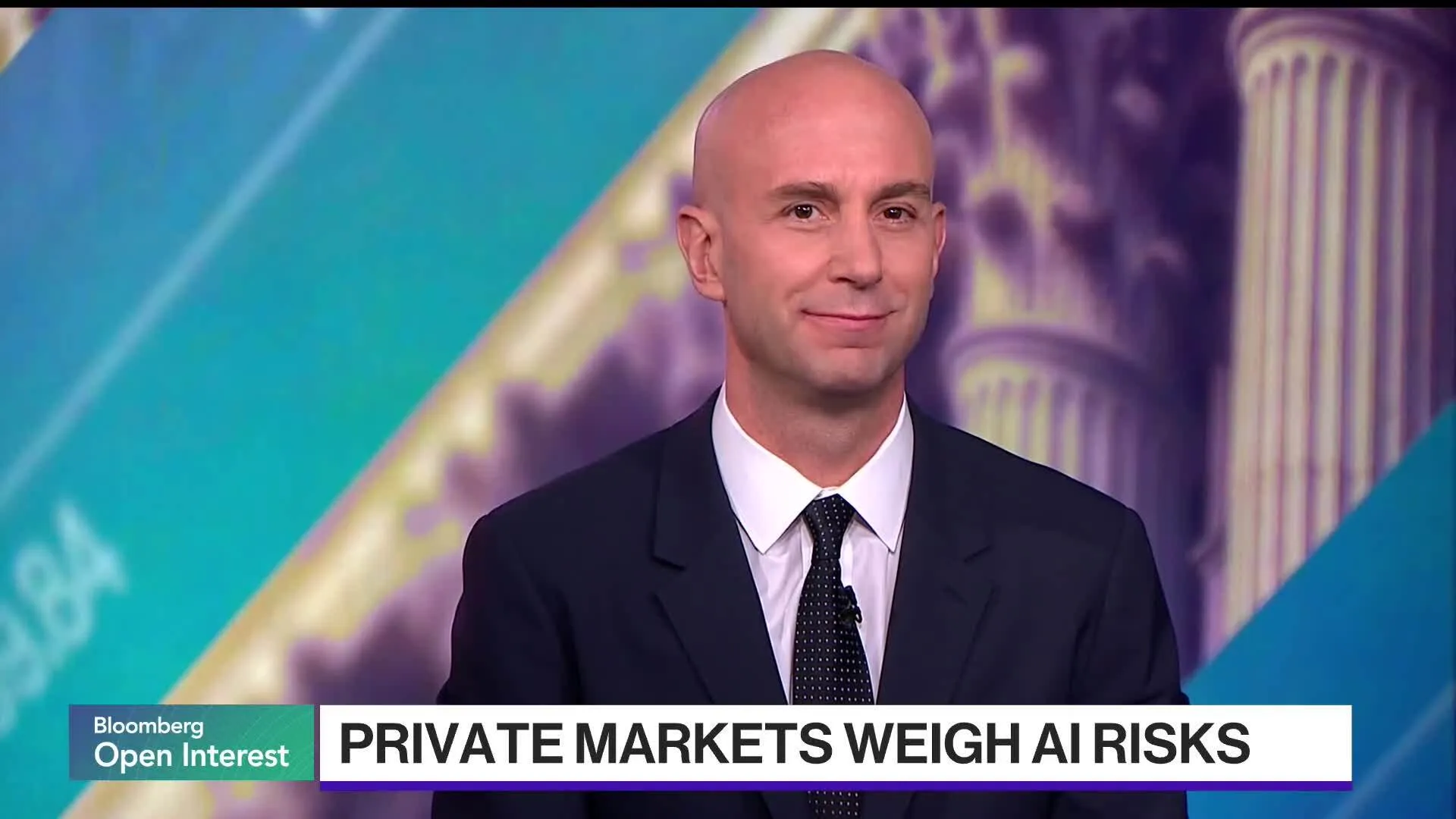
💡AI boom risks private credit crisis—check funding exposure before defaults hit
⚡ 30-Second TL;DR
What Changed
Rising market stress in private credit
Why It Matters
AI-driven investments may strain private credit, limiting funding for software/AI firms and slowing innovation. Founders should prepare for tighter capital amid potential defaults.
What To Do Next
Audit your AI startup's private credit funding exposure and explore alternative capital sources.
Key Points
- •Rising market stress in private credit
- •Heavy exposure to software sector
- •AI creating winners and painful losers
- •Risks echoing 2008 financial crisis
- •Importance of diversification and discipline
🧠 Deep Insight
Background and context from public sources — not the original article. 5 sources cited.
🔑 Enhanced Key Takeaways
- •Software stocks declined sharply in early 2026, with IGV down 23% YTD and $285 billion in market cap erased in one day, compressing P/S ratios from 9x to 6x.[1]
- •Private credit's exposure to software is 20-25% of deals, with AI-disrupted share at 25-35%, and actual exposure higher due to misclassification like Pricefx as 'business services'.[1]
- •Software EBITDA multiples fell from 30x in 2022 to 16x, and revenue multiples from 10-12x to 4x, halving loan collateral value.[1]
- •Apollo reduced its software exposure from 20% to 10% in 2025 as a de-risking move.[1]
- •S&P BDC index hit its yearly low on February 5, 2026, amid the software sell-off.[2]
🔮 Future ImplicationsAI analysis grounded in cited sources
⏳ Timeline
📎 Sources (5)
Factual claims are grounded in the sources below. Forward-looking analysis is AI-generated interpretation.
- saastr.com — Saas Markets Have Crashed in 2026 but Is Private Credit the Even Bigger Risk
- am.jpmorgan.com — What Does the Software Sell Off Mean for Private Markets
- 9fin.com — Private Credit Defends Software Exposure Sector Selloff
- tcw.com — 2026 02 11 No Exposure by Design
- spglobal.com — AI Disruption Worries Spill Over to Private Credit Markets S101670132
Weekly AI Recap
Read this week's curated digest of top AI events →
👉Related Updates
AI-curated news aggregator. All content rights belong to original publishers.
Original source: Bloomberg Technology ↗
This is a summary, not the original. Read the source, or get the weekly briefing.
Weekly AI briefing
One email a week. Unsubscribe anytime.