AI Replicas Put Foreign Actors’ Jobs at Risk
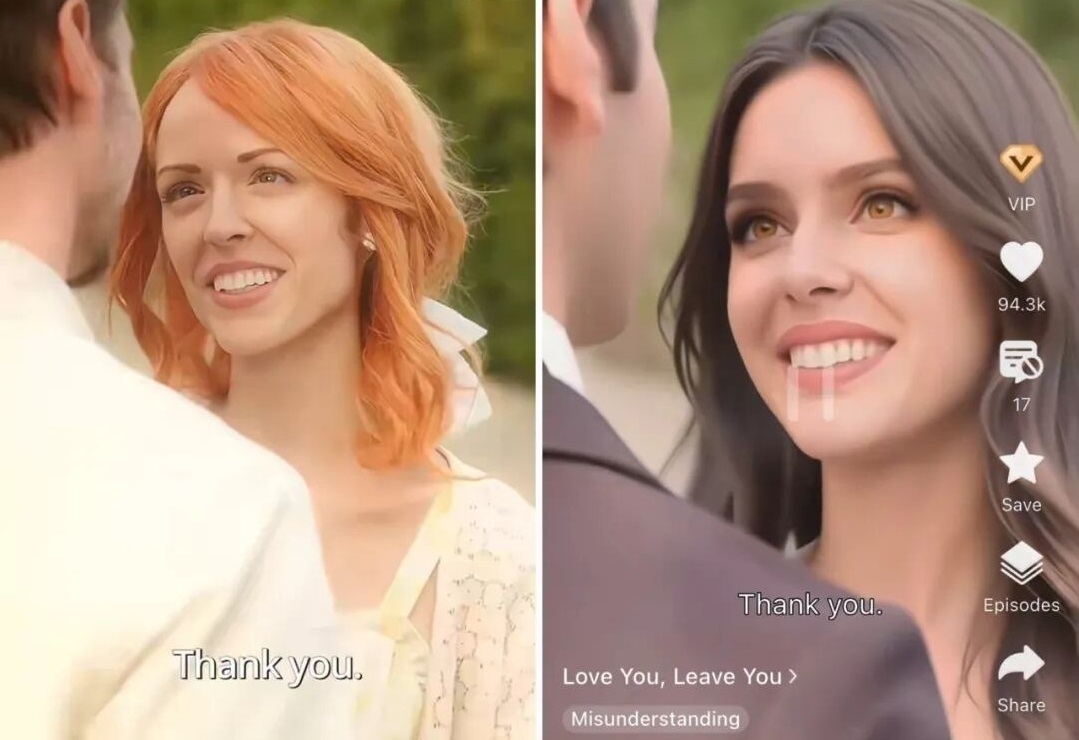
💡AI is moving from visual effects into actor replacement, creating urgent product and rights questions.
⚡ 30-Second TL;DR
What Changed
AI is moving deeper into film and television production.
Why It Matters
Digital replicas could reduce demand for certain acting roles while creating new needs for consent, licensing, identity protection, and synthetic-performance management. AI practitioners building media tools should treat actor likeness and labor rights as core product requirements.
What To Do Next
Add explicit likeness-consent, usage-duration, and revocation controls before deploying any AI actor or digital-human feature.
Key Points
- •AI is moving deeper into film and television production.
- •Actors may be digitally replicated for short-form dramas and other productions.
- •Hollywood is facing similar concerns about human jobs being displaced.
🧠 Deep Insight
AI-generated analysis for this event.
🔑 Enhanced Key Takeaways
- •The 2023 SAG-AFTRA strike resulted in landmark protections requiring studios to obtain informed consent and provide compensation when using digital replicas of performers.
- •AI-driven 'voice cloning' and 'lip-sync' technologies are now being integrated into automated dubbing workflows, significantly reducing the cost of localizing content for international markets.
- •The rise of 'synthetic actors' has led to the emergence of specialized digital rights management (DRM) platforms designed to track and license an actor's digital likeness across multiple productions.
- •In China, the short-drama (micro-drama) industry is increasingly utilizing AI-generated avatars to bypass the high costs of physical production sets and actor scheduling.
- •Regulatory bodies in the EU and US are actively debating 'right of publicity' laws to address whether an actor's digital persona constitutes personal property that can be inherited or sold.
🛠️ Technical Deep Dive
- Neural Radiance Fields (NeRFs) and Gaussian Splatting are being utilized to create high-fidelity 3D digital twins from limited 2D video footage.
- Latent Diffusion Models (LDMs) are employed for frame-by-frame facial reenactment, allowing AI to map a source actor's expressions onto a target digital replica.
- Audio-to-Video synchronization models use cross-modal attention mechanisms to ensure lip movements align precisely with synthesized or dubbed speech in multiple languages.
- Real-time inference engines are being optimized for edge devices to allow for interactive AI avatars in live-streamed entertainment environments.
🔮 Future ImplicationsAI analysis grounded in cited sources
⏳ Timeline
Weekly AI Recap
Read this week's curated digest of top AI events →
👉Related Updates
AI-curated news aggregator. All content rights belong to original publishers.
Original source: 钛媒体 ↗


