AI Redefines Journalism's Core Role
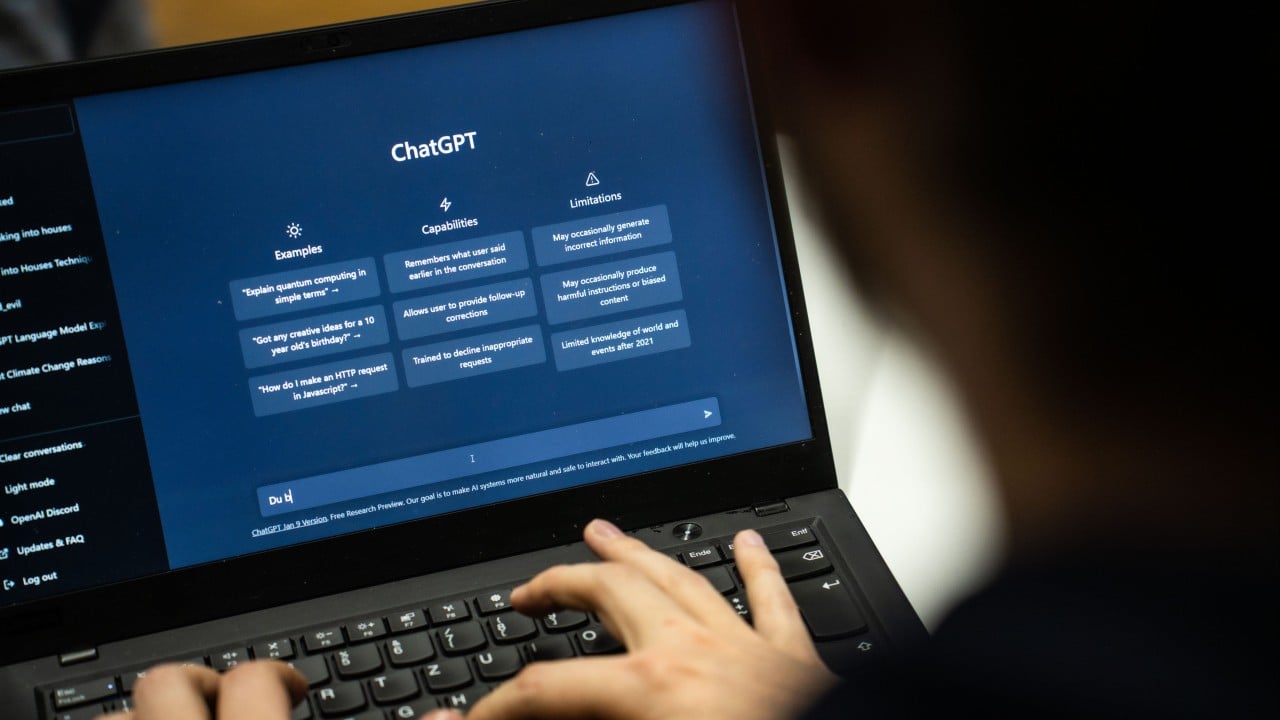
💡AI shaking journalism foundations—rethink trust & tools for content AI
⚡ 30-Second TL;DR
What Changed
News orgs racing to set AI usage rules globally
Why It Matters
This prompts media to rethink AI integration, potentially standardizing ethical use and opening markets for AI tools tailored to journalism. AI practitioners can capitalize on demand for transparent, credible AI assistants in content workflows.
What To Do Next
Test LLMs like Llama 3 for automated research summarization in your pipelines
Key Points
- •News orgs racing to set AI usage rules globally
- •Debate on AI for drafting text, summarizing, research
- •Some outlets disclose AI help, others avoid it entirely
- •Trust not dependent on journalists physically writing sentences
🧠 Deep Insight
Background and context from public sources — not the original article. 6 sources cited.
🔑 Enhanced Key Takeaways
- •RTDNA issued the first national journalism organization guidelines on AI use in May 2023, urging newsrooms to develop policies addressing accuracy, transparency, and privacy protection.[1]
- •UNESCO's 2021 AI ethics recommendations emphasize human oversight in media, promoting transparency, freedom of expression, and media literacy to counter misinformation.[2]
- •Peer-reviewed studies of 97 newsroom AI policies across Europe, Latin America, and 22 countries reveal common priorities like human supervision but gaps in addressing biases and third-party tool oversight.[3]
- •Reuters Institute's 2026 trends report highlights ongoing 'tales of AI in the newsroom,' with news organizations adapting to agentic AI amid pressures from answer engines and misinformation.[4]
- •A 2026 survey of over 200 journalists found 99% deem human review of AI-assisted news essential, elevating the 'human premium' in reporting and verification.[5]
🔮 Future ImplicationsAI analysis grounded in cited sources
⏳ Timeline
📎 Sources (6)
Factual claims are grounded in the sources below. Forward-looking analysis is AI-generated interpretation.
- rtdna.org — Rtdna Releases Coverage Guidelines on the Use of AI in Journalism
- pangram.com — AI Ethics Frameworks in Journalism
- cnti.org — Newsroom Policies for AI in Journalism 2
- reutersinstitute.politics.ox.ac.uk — Journalism Media and Technology Trends and Predictions 2026
- chills.substack.com — Can We Save Journalism in the Age
- poynter.org — AI Ethics Guidelines
Weekly AI Recap
Read this week's curated digest of top AI events →
👉Related Updates
AI-curated news aggregator. All content rights belong to original publishers.
Original source: SCMP Technology ↗
This is a summary, not the original. Read the source, or get the weekly briefing.
Weekly AI briefing
One email a week. Unsubscribe anytime.