AI Power Demand Collides with Extreme Heat in US
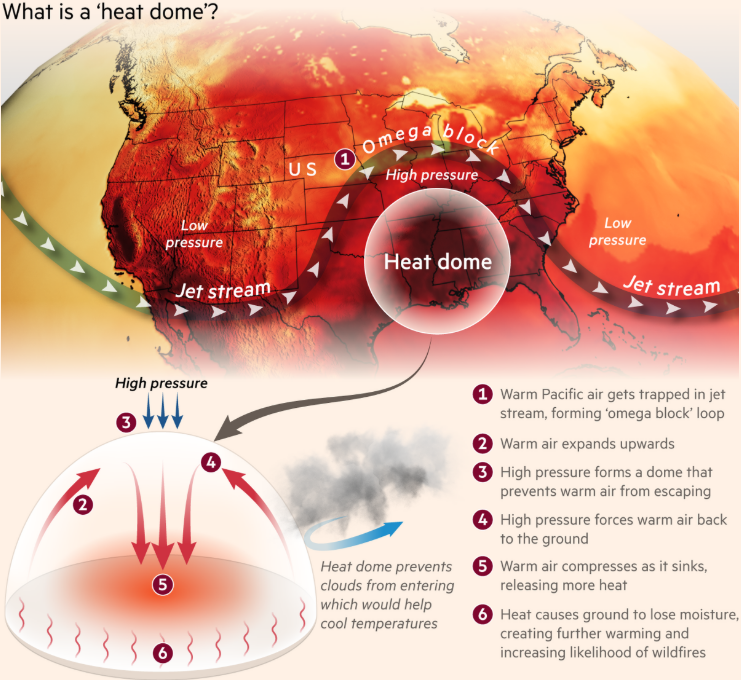
💡Understand how the AI energy crisis is reshaping infrastructure planning and threatening future data center scalability.
⚡ 30-Second TL;DR
What Changed
AI data center electricity demand is projected to double by 2027.
Why It Matters
The energy constraints will likely slow down the deployment of large-scale AI clusters and increase operational costs for data centers. Developers may need to prioritize energy-efficient model training and inference strategies.
What To Do Next
Evaluate the energy efficiency of your infrastructure and consider regional power grid stability when planning future data center deployments.
Key Points
- •AI data center electricity demand is projected to double by 2027.
- •PJM grid operator faces record-breaking load, forcing emergency environmental waivers for old diesel generators.
- •Data centers are expected to account for 68% of US power demand growth by 2030.
- •Grid reliability concerns may lead to power outages within five years if capacity is not expanded.
🧠 Deep Insight
AI-generated analysis for this event — not the original article.
🔑 Enhanced Key Takeaways
- •Hyperscalers are increasingly bypassing traditional utility procurement by investing directly in behind-the-meter nuclear power generation, such as Amazon's acquisition of the Cumulus Data site at the Susquehanna nuclear plant.
- •The 'load-serving entity' model is shifting as data center operators seek to co-locate facilities directly at power generation sites to avoid transmission congestion and interconnection queue delays.
- •Grid operators are implementing 'dynamic line rating' technologies to increase the capacity of existing transmission lines by monitoring real-time weather conditions, which helps mitigate heat-related line sagging.
- •The Federal Energy Regulatory Commission (FERC) has issued Order No. 1920, aimed at reforming regional transmission planning to better accommodate the long-term load growth driven by AI and electrification.
- •Utility companies are increasingly utilizing 'demand response' programs that pay large industrial consumers, including data centers, to curtail power usage during peak heat events to prevent grid collapse.
🛠️ Technical Deep Dive
- Power Usage Effectiveness (PUE) metrics for modern AI data centers are being optimized through liquid cooling technologies, which reduce the energy overhead required for traditional air-based HVAC systems.
- AI workloads are increasingly being scheduled using 'carbon-aware' computing, which shifts non-urgent training tasks to times of day when renewable energy generation is at its peak.
- Grid-interactive efficient buildings (GEBs) are being deployed to act as virtual power plants, utilizing onsite battery energy storage systems (BESS) to discharge power back to the grid during peak demand spikes.
- High-voltage direct current (HVDC) transmission is being prioritized for new data center corridors to minimize energy loss over long distances compared to traditional alternating current (AC) infrastructure.
🔮 Future ImplicationsAI analysis grounded in cited sources
⏳ Timeline
Weekly AI Recap
Read this week's curated digest of top AI events →
👉Related Updates

AI-curated news aggregator. All content rights belong to original publishers.
Original source: 虎嗅 ↗
This is a summary, not the original. Read the source, or get the weekly briefing.
Weekly AI briefing
One email a week. Unsubscribe anytime.