Source钛媒体•Stalecollected in 32m
AI Pet Robots Surge 300%, Million-Yuan Earnings
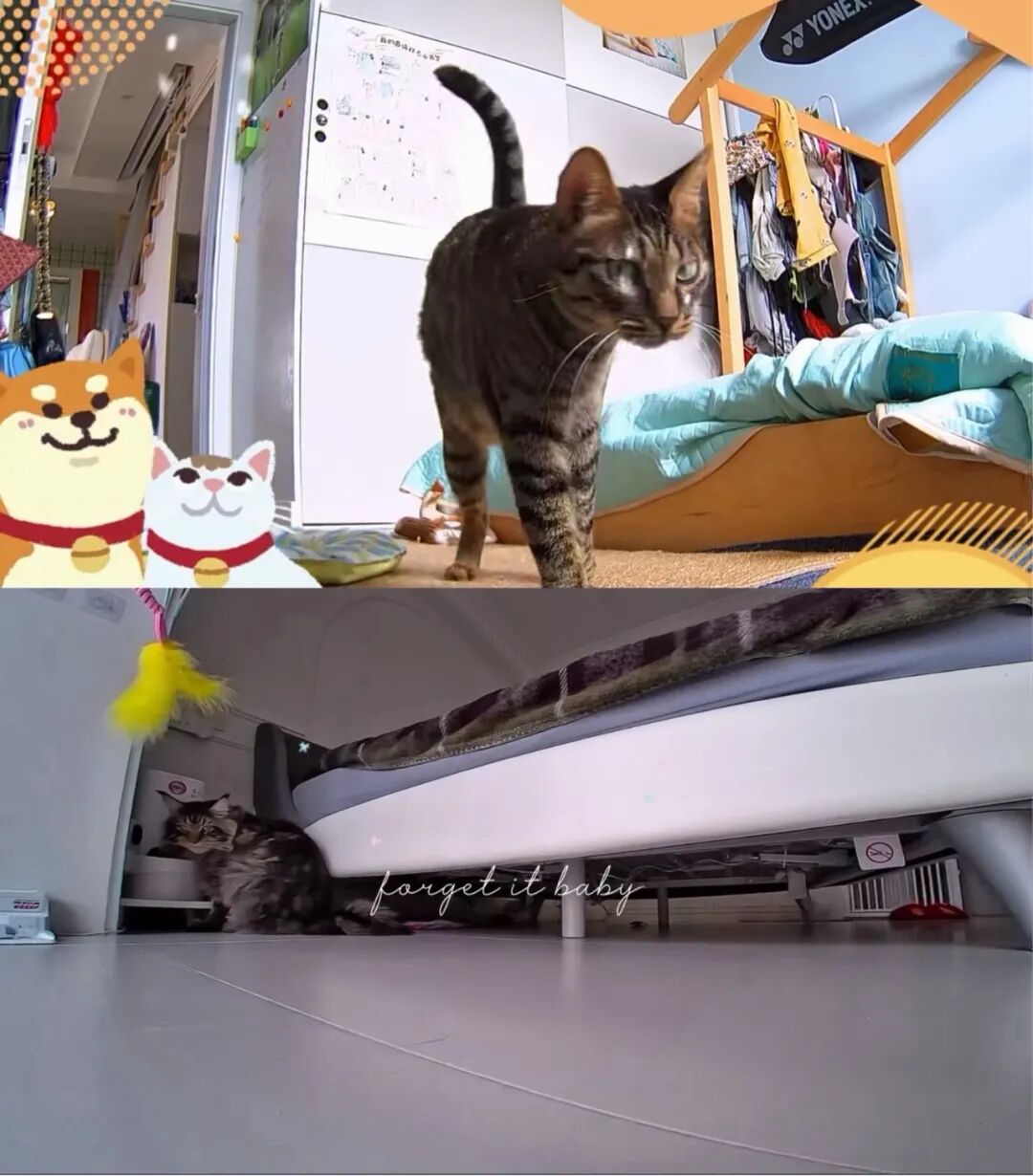
💡Booming AI pet robots: 300% growth, millionaire merchants
⚡ 30-Second TL;DR
What Changed
300% surge in AI pet robot market
Why It Matters
Validates embodied AI apps in consumer robotics, inspiring new product ventures.
What To Do Next
Prototype AI pet interaction models using open robot APIs like ROS.
Who should care:Developers & AI Engineers
Key Points
- •300% surge in AI pet robot market
- •Merchants achieving annual millions in revenue
- •Solves pet separation anxiety via robotics
🧠 Deep Insight
AI-generated analysis for this event — not the original article.
🔑 Enhanced Key Takeaways
- •The surge is primarily driven by the integration of Large Language Models (LLMs) and advanced computer vision, allowing these robots to recognize specific pet behaviors and initiate autonomous play sessions.
- •Market growth is concentrated in urban centers where high-density living and long working hours have created a specific demand for 'remote companionship' solutions that go beyond simple cameras.
- •Supply chain optimization in the Shenzhen robotics ecosystem has significantly lowered the bill of materials (BOM), enabling mass-market pricing while maintaining high profit margins for early-mover merchants.
📊 Competitor Analysis▸ Show
| Feature | EMO (Living.ai) | Loona (KEYi Tech) | Generic AI Pet Robots |
|---|---|---|---|
| Primary Focus | Desktop Companion | Interactive Pet | Remote Monitoring/Play |
| Pricing | ~$250 - $300 | ~$350 - $450 | ~$150 - $250 |
| AI Capability | LLM-based personality | Vision-based navigation | Basic app-controlled |
| Market Position | Premium/Niche | Mid-range/Consumer | Budget/Mass-market |
🛠️ Technical Deep Dive
- •Architecture: Utilizes a dual-processor setup—an ARM-based SoC for real-time motor control and a dedicated NPU for on-device computer vision processing.
- •Computer Vision: Employs YOLO-based object detection models optimized for low-latency tracking of pet movement patterns (e.g., tail wagging, pacing).
- •Connectivity: Implements WebRTC protocols to ensure sub-200ms latency for remote video streaming and control, critical for real-time interaction.
- •Autonomy: Features SLAM (Simultaneous Localization and Mapping) algorithms for obstacle avoidance and autonomous charging station return.
🔮 Future ImplicationsAI analysis grounded in cited sources
AI pet robots will integrate with smart home ecosystems by 2027.
Standardization of Matter protocols will allow these robots to trigger other smart devices based on pet activity detected via computer vision.
Regulatory scrutiny regarding data privacy will increase significantly.
The continuous collection of high-resolution video data within private homes is attracting attention from data protection authorities.
⏳ Timeline
2023-05
Initial market entry of consumer-grade AI companion robots with basic vision.
2024-11
Integration of generative AI models into pet robot firmware, enabling reactive behavior.
2026-02
Market data confirms a 300% year-over-year growth in the AI pet robot category.
📰
Weekly AI Recap
Read this week's curated digest of top AI events →
👉Related Updates



AI-curated news aggregator. All content rights belong to original publishers.
Original source: 钛媒体 ↗
This is a summary, not the original. Read the source, or get the weekly briefing.
The weekly digest
One email a week. Unsubscribe anytime.