🐯Stalecollected in 20m

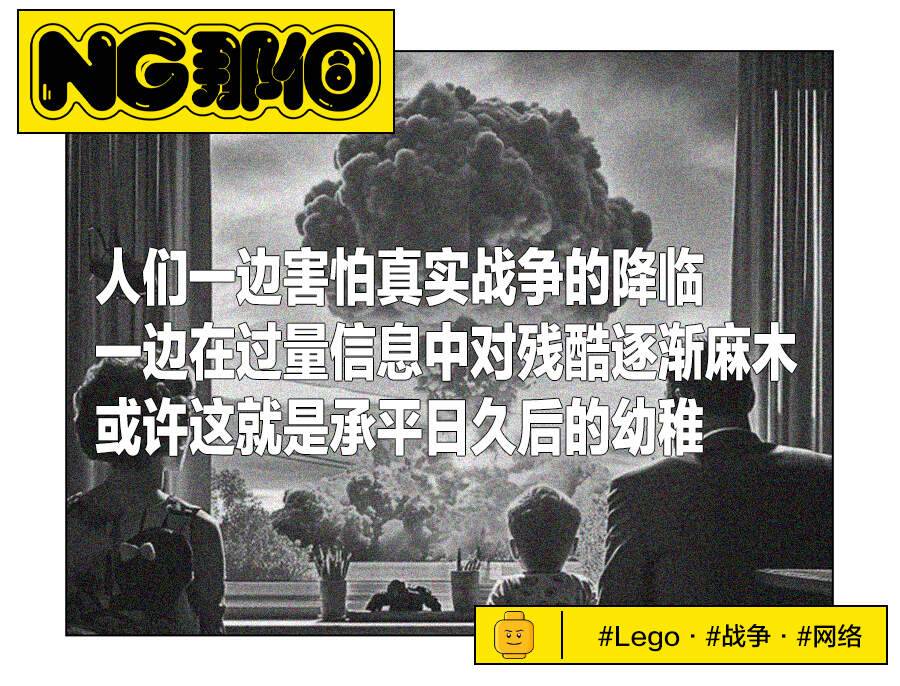
AI Lego Videos Fuel US-Iran Propaganda War
AI Lego Videos Fuel US-Iran Propaganda War
PostLinkedIn
🐯Read original on 虎嗅

💡AI powers rapid Lego propaganda vs US – viral info war tactics for creators.

⚡ 30-Second TL;DR

What Changed

Iranian 'Narrative of Victory' Lego video shows US missile strike on school, Iranian retaliation.

Why It Matters

AI democratizes propaganda production, allowing weaker parties to compete in cyber battles via viral memes. Raises concerns on misinformation spread through gamified, appealing visuals.

What To Do Next

Test text-to-video AI like Kling or Luma to prototype Lego-style propaganda animations.

Who should care:Creators & Designers

🧠 Deep Insight

AI-generated analysis for this event.

🔑 Enhanced Key Takeaways

  • The trend leverages 'Lego-style' generative video tools that utilize LoRA (Low-Rank Adaptation) fine-tuning on base models like Stable Video Diffusion or Kling to maintain character consistency across disparate propaganda narratives.
  • Digital forensic analysis by cybersecurity firms indicates these campaigns are often disseminated via 'inauthentic coordinated behavior' networks on platforms like X and Telegram, specifically designed to bypass automated content moderation filters that struggle with the 'toy-like' aesthetic.
  • The use of Lego aesthetics serves as a deliberate 'cognitive dissonance' strategy, designed to lower the psychological barrier for younger demographics to consume and share violent geopolitical content by framing it within a familiar, non-threatening visual language.

🛠️ Technical Deep Dive

  • Model Architecture: Primarily utilizes diffusion-based video generation models (e.g., SVD, Gen-3, or open-source variants) fine-tuned with custom LoRA adapters trained on datasets of official Lego product imagery and user-generated stop-motion aesthetics.
  • Prompt Engineering: Employs 'style-transfer' prompting techniques where geopolitical scenarios are injected into templates defined by keywords like 'Lego-style,' 'stop-motion animation,' 'plastic brick texture,' and 'tilt-shift photography' to force the model into the desired aesthetic.
  • Workflow: Often involves a multi-stage pipeline: 1) LLM-based script generation for narrative structure, 2) Image-to-video generation for specific frames, and 3) Automated lip-syncing tools (e.g., SadTalker or similar) to map audio to the plastic minifigure faces.

🔮 Future ImplicationsAI analysis grounded in cited sources

Platform moderation policies will shift to include 'aesthetic-based' content flagging.
Social media companies will be forced to develop classifiers that detect the weaponization of benign visual styles to prevent the normalization of violent content.
Lego will pursue legal action against AI model providers for trademark dilution.
The persistent association of the brand with state-sponsored propaganda poses a significant reputational risk that necessitates aggressive intellectual property enforcement.

Timeline

2010-01
Lego publishes updated Fair Play Policy explicitly restricting the use of its brand in political or violent contexts.
2024-05
Initial emergence of AI-generated 'Lego-style' videos on social media platforms, initially focused on entertainment and parody.
2025-11
First documented instances of state-aligned actors utilizing generative video tools to produce political propaganda featuring Lego-like aesthetics.
2026-02
Significant surge in volume of AI-generated Lego propaganda videos following heightened geopolitical tensions in the Middle East.
📰

Weekly AI Recap

Read this week's curated digest of top AI events →

👉Related Updates

AI-curated news aggregator. All content rights belong to original publishers.
Original source: 虎嗅