AI Hackers Target Vulnerable U.S. Water Systems
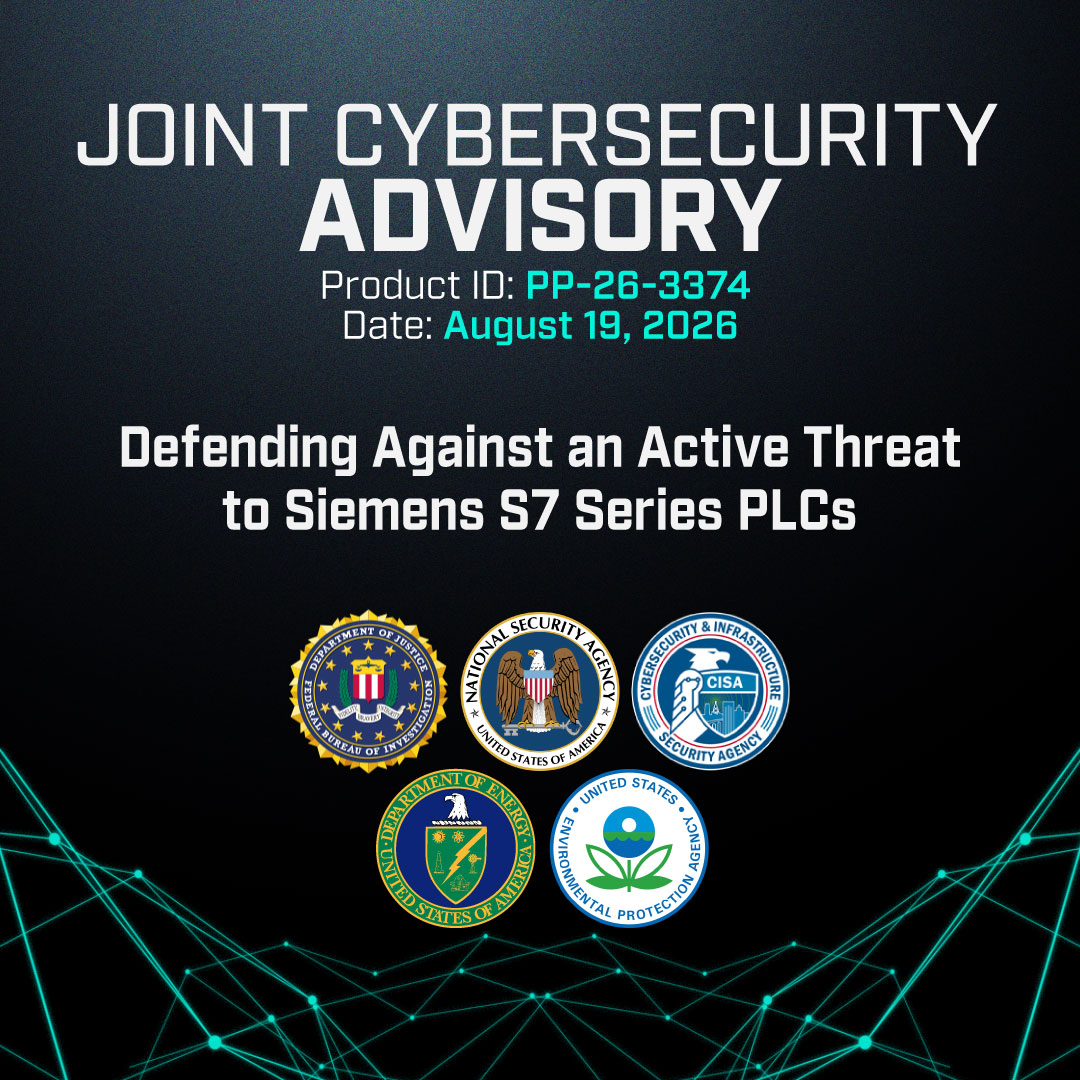
💡AI-assisted attacks are putting industrial control systems in water infrastructure under fresh pressure.
⚡ 30-Second TL;DR
What Changed
CISA issued a warning about growing cyberattacks against water systems across the United States.
Why It Matters
A successful attack could disrupt essential water services and create serious public-safety risks. AI-assisted vulnerability discovery may shorten the time defenders have to detect and remediate weaknesses in operational technology.
What To Do Next
Audit internet-exposed Siemens operational-technology devices, apply vendor security updates, and add AI-assisted vulnerability scanning to your remediation workflow.
Key Points
- •CISA issued a warning about growing cyberattacks against water systems across the United States.
- •Siemens equipment used in critical water infrastructure is being actively targeted.
- •Attackers are using AI to help identify vulnerabilities in exposed systems.
🧠 Deep Insight
Background and context from public sources — not the original article. 26 sources cited.
🔑 Enhanced Key Takeaways
- •The CISA warning, issued jointly with NSA, FBI, DOE, and EPA, specifically highlights an active threat against Siemens S7 Series programmable logic controllers (PLCs), including models S7-200, S7-300, S7-400, S7-1200, and S7-1500.
- •Attackers are leveraging artificial intelligence to generate exploitation scripts, significantly reducing the technical expertise and time needed to develop these malicious tools.
- •The vulnerabilities being exploited often stem from Siemens PLCs being exposed to the internet, running outdated software, or utilizing default or weak credentials.
- •Beyond water systems, the cyberattacks are also targeting other critical infrastructure sectors, including critical manufacturing, energy, chemical, food and agriculture, and commercial facilities.
- •Recent cyber incidents against U.S. water systems, including those involving PLCs, are suspected to be linked to Iranian-affiliated threat groups like CyberAv3ngers.
🛠️ Technical Deep Dive
- Attackers are using AI to generate exploitation scripts, often in Python, to gain read and write access to Siemens PLCs.
- These AI-generated scripts are designed to be disguised as legitimate monitoring tools to evade detection.
- Threat actors employ internet scanning services, such as Censys and ZoomEye, to identify internet-exposed or poorly segmented PLCs.
- The current attacks primarily exploit potential misconfigurations and known vulnerabilities rather than newly discovered flaws in Siemens Industrial Control Systems (ICS) products.
- AI provides attackers with technical advantages by tightening operational timelines and enabling the generation of custom malware variants, complicating detection and attribution.
- Supervisory Control and Data Acquisition (SCADA) systems, which include PLCs, connect operational technology (OT) and information technology (IT), necessitating specialized cybersecurity approaches.
🔮 Future ImplicationsAI analysis grounded in cited sources
⏳ Timeline
📎 Sources (26)
Factual claims are grounded in the sources below. Forward-looking analysis is AI-generated interpretation.
- industrialcyber.co
- cybersecuritydive.com
- helpnetsecurity.com
- gizmodo.com
- infosecurity-magazine.com
- therecord.media
- cyberscoop.com
- ground.news
- cybersecuritydive.com
- csis.org
- cisa.gov
- mitchellwilliamslaw.com
- cyberscoop.com
- nj.gov
- frenos.io
- elynxtech.com
- sehinc.com
- theendofhistory.net
- scworld.com
- patsnap.com
- pteinc.com
- researchgate.net
- genviss.in
- invisinet.com
- cisa.gov
- businessinsider.com
Weekly AI Recap
Read this week's curated digest of top AI events →
👉Related Updates
AI-curated news aggregator. All content rights belong to original publishers.
Original source: cnBeta (Full RSS) ↗
This is a summary, not the original. Read the source, or get the weekly briefing.
Weekly AI briefing
One email a week. Unsubscribe anytime.