AI Glasses Boom, but Returns Reach 70%
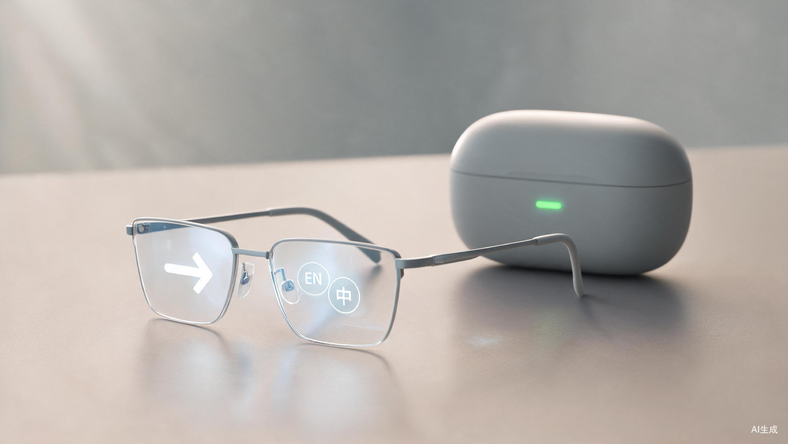
💡Explosive sales hide a 70% return rate, revealing the real barriers to useful, everyday AI glasses.
⚡ 30-Second TL;DR
What Changed
China sold more than 900,000 smart glasses in the first half of 2026, with sales revenue up 98.7%.
Why It Matters
The market data suggests strong curiosity-driven demand but weak retention, making sustained daily usage the key test for AI glasses. Developers and founders should treat privacy controls, battery-aware inference, and reliable hands-free interactions as core product requirements rather than optional features.
What To Do Next
Prototype one hands-free workflow—such as real-time translation or meeting notes—and measure task accuracy, battery drain, privacy signaling, and user retention over a seven-day pilot.
Key Points
- •China sold more than 900,000 smart glasses in the first half of 2026, with sales revenue up 98.7%.
- •AI, camera, office, translation, and meeting-recording features are expanding the category beyond audio glasses.
- •The leading brands—雷鳥, Rokid, 千問, and Huawei—saw their combined online share fall from 56% to 53% between Q1 and Q2.
- •The central engineering challenge remains the trade-off among lightweight design, high compute, and long battery life.
- •Camera-equipped glasses raise privacy, data-governance, and distraction risks that cannot be solved by indicator lights alone.
Weekly AI Recap
Read this week's curated digest of top AI events →
👉Related Updates

AI-curated news aggregator. All content rights belong to original publishers.
Original source: 虎嗅 ↗
This is a summary, not the original. Read the source, or get the weekly briefing.
Weekly AI briefing
One email a week. Unsubscribe anytime.