AI Deepfakes Fuel SNAP Fraud Hysteria
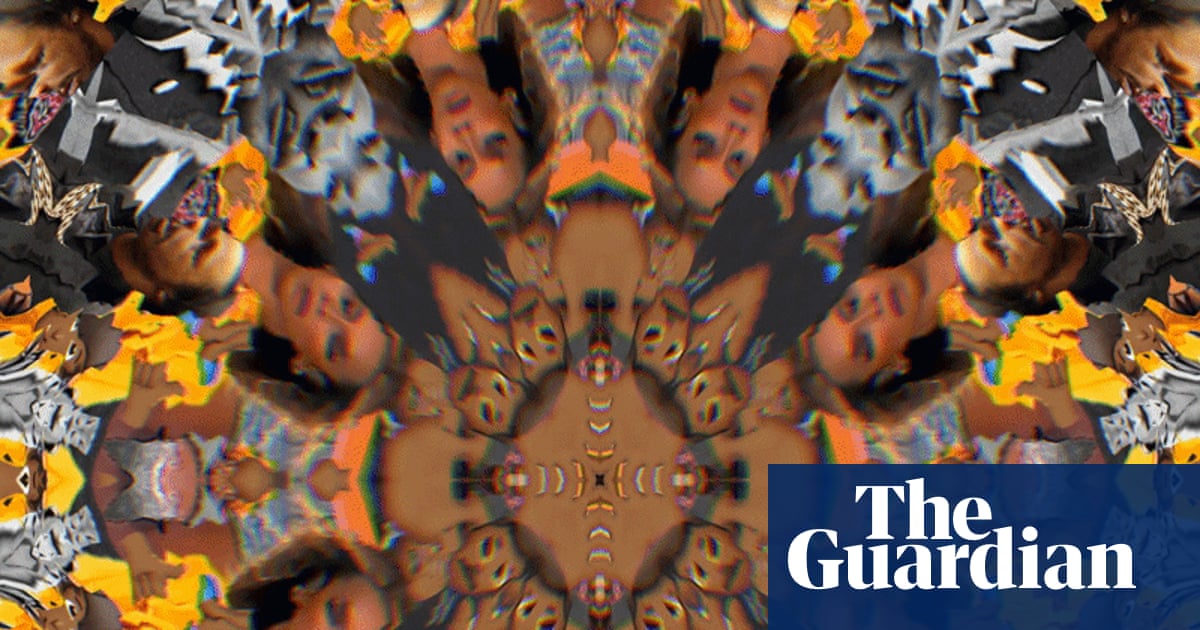
💡AI deepfakes fooled Fox News on SNAP fraud—key lessons for video authenticity tech.
⚡ 30-Second TL;DR
What Changed
Viral TikTok deepfakes showed Black women selling SNAP benefits for cash or ranting about entitlements.
Why It Matters
Highlights AI's role in amplifying misinformation and stereotypes, pressuring platforms for better detection. May spur regulations on AI video generation amid elections.
What To Do Next
Test deepfake detection tools like Microsoft's Video Authenticator on generated content pipelines.
Key Points
- •Viral TikTok deepfakes showed Black women selling SNAP benefits for cash or ranting about entitlements.
- •Fox News and Newsmax reported videos as real before corrections, ignoring white Americans' 37% SNAP share.
- •Faint AI watermarks overlooked by racist hustlers amplifying anti-welfare narratives.
- •Digital blackface endangers Black users via fake archetypes in political smears.
🧠 Deep Insight
Background and context from public sources — not the original article. 5 sources cited.
🔑 Enhanced Key Takeaways
- •AI-generated deepfakes proliferated on TikTok and other platforms, often evading detection due to faint watermarks and fueling misinformation like the SNAP fraud videos[3].
- •Viral AI slop on social media, including political smears, incentivizes creators from developing countries targeting US audiences for higher ad revenue, amplifying narratives like anti-welfare hysteria[3].
- •Platforms like YouTube prioritized reducing AI slop and deepfake detection in 2026, amid broader concerns over manipulated content spreading rapidly[1][3].
- •Regulatory actions against deepfakes intensified globally, with probes into Grok's explicit image generation by Australia, UK, France, and US Senate's Defiance Act[2].
- •Similar AI hoaxes, such as the DoorDash viral fake story on Reddit, highlight how quickly believable deepfakes spread misinformation on social platforms[2].
🛠️ Technical Deep Dive
- AI slop detection challenged by rapid evolution of generative models; platforms like YouTube focus on improved watermarking and content moderation for 2026[1][3].- Deepfakes often trained on public data like TikTok dances, as in Svedka's Super Bowl ad, leading to criticism for indistinguishability[3].
🔮 Future ImplicationsAI analysis grounded in cited sources
Rising deepfake incidents accelerate global regulatory scrutiny on AI platforms, pushing for mandatory transparency, robust safety measures, and proactive risk management to curb misinformation and digital harassment amid political exploitation.
⏳ Timeline
📎 Sources (5)
Factual claims are grounded in the sources below. Forward-looking analysis is AI-generated interpretation.
Weekly AI Recap
Read this week's curated digest of top AI events →
👉Related Updates
AI-curated news aggregator. All content rights belong to original publishers.
Original source: The Guardian Technology ↗
This is a summary, not the original. Read the source, or get the weekly briefing.
Weekly AI briefing
One email a week. Unsubscribe anytime.